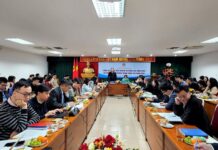
















At a recent investment attraction seminar held in Ho Chi Minh City, Mr. Trần Phước Hiền, Vice Chairman of Quảng Ngãi Province’s People’s Committee, highlighted the province’s vast potential for maritime economic development. The focal point is the Dung Quất Industrial Zone, which is set to become home to Vietnam’s first National Oil Refinery and Energy Center.
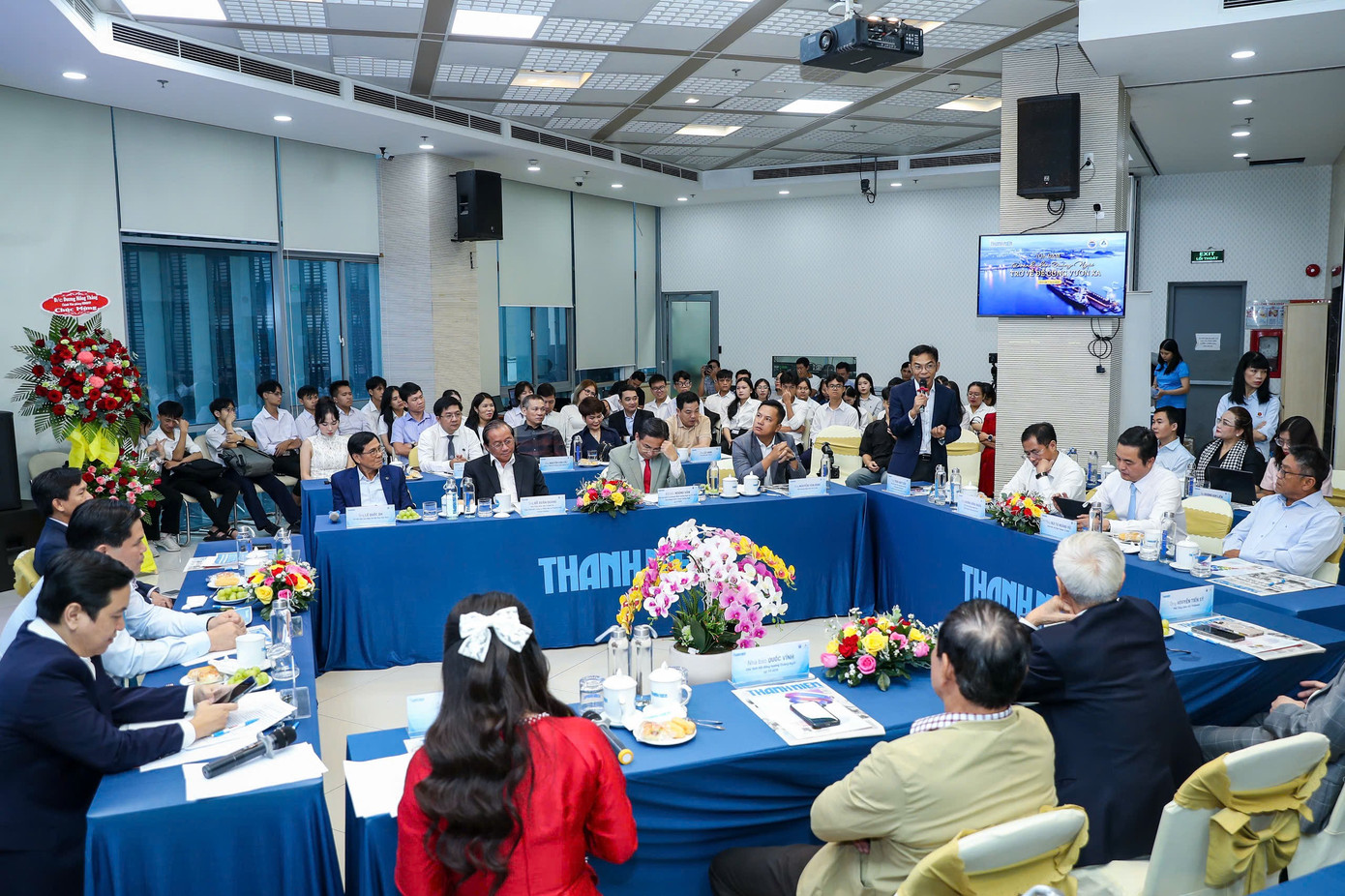
Overview of the seminar.
The National Oil Refinery and Energy Center in Dung Quất is projected to require an investment of between $16.1 billion and $20.5 billion. It is expected to meet at least 30% of the country’s petroleum demand, ensuring a reserve equivalent to 30 days of production and consumption.
By 2050, the center is poised to become not only a national energy hub but also one of the largest oil refineries in Southeast Asia. Once operational, it will generate approximately 30,000 jobs and contribute around 30% to Quảng Ngãi’s GRDP growth. Additionally, sectors such as logistics, high technology, workforce training, and urban development are expected to benefit from secondary investment flows.
Currently, the Dung Quất Oil Refinery area hosts 18 projects related to oil refining and energy, with a total registered investment of nearly 122.5 trillion VND. Eleven of these projects are already operational.
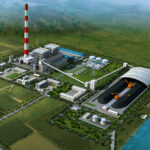
Bình Sơn Refinery and Petrochemical Joint Stock Company is implementing a project to upgrade and expand the Dung Quất Oil Refinery, along with other gas projects in the region. Upon completion, the project will increase the refinery’s processing capacity, ensuring products meet government environmental standards. It will also enhance flexibility in crude oil selection, secure long-term crude oil supply, and improve the plant’s investment efficiency, thereby fostering national economic and social development, particularly in the Central region.
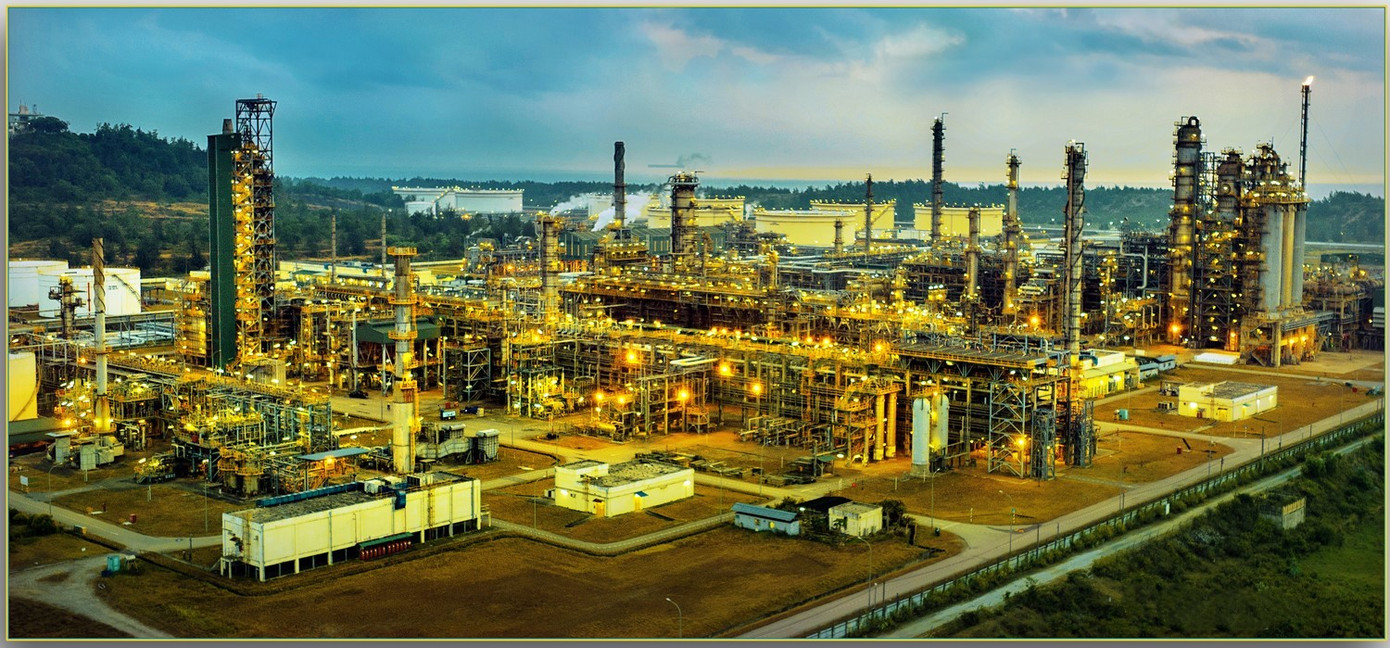
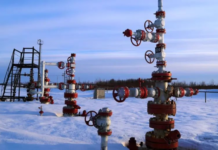
Dung Quất Oil Refinery. Photo: Lê Minh Thể.
According to Mr. Hiền, Quảng Ngãi also boasts Lý Sơn Island, designated as a national-level marine tourism center with significant potential for fishing and aquaculture. In the western region, the Măng Đen National Tourist Area, surrounded by nearly 1 million hectares of forest, offers opportunities for forestry development, services, and carbon credit initiatives.
Following its consolidation, Quảng Ngãi has become one of the fastest-growing localities in the region, ranking 5th nationally. However, as noted by the Vice Chairman, this presents both an advantage and a significant challenge in maintaining double-digit growth as directed by the government. To leverage its strengths, Quảng Ngãi is focusing on attracting investment in energy, education, healthcare, science and technology, and digital transformation—areas where the province currently faces shortages and weaknesses.
“While our current advantages remain potential, Quảng Ngãi still faces numerous challenges in development. We aim to attract high-quality human resources, particularly the children of Quảng Ngãi from across the country, to contribute to their homeland,” said Mr. Hiền.
During the seminar, several entrepreneurs expressed interest in investing in Quảng Ngãi.
Nearly $870 Million in FDI Poured into Nghe An Province
In the first nine months of the year, Nghe An province approved investment policies and issued Investment Registration Certificates for 55 projects, while also adjusting 147 project instances. The total foreign direct investment (FDI) capital reached nearly 870 million USD.
Vietnam Poised to Become the Global Maritime Hub

At ViPEL 2025, industry leaders assert that Vietnam is poised to emerge as a global maritime and energy hub, leveraging its strategic coastal advantages and the ongoing shift in supply chain dynamics.
Proposed Special Mechanism for Vietnam’s First Oil Refinery Upgrade Project

The expansion and upgrade project of the Dung Quat Oil Refinery, undertaken by Binh Son Refining and Petrochemical Company (BSR), is facing challenges that threaten to delay its overall progress.
What’s Attracting the Most FDI to Vietnam?
Foreign Direct Investment (FDI) disbursement in the first seven months of the year reached its highest level in five years. The significant shift of FDI inflows into Vietnam reflects international investors’ long-term expectations and confidence in the country’s sustainable economic development potential.
“A $126 Million Industrial Park Development in Tay Ninh: Generating 25,000 New Jobs”

The Thu Thua Industrial Park in Tay Ninh is set to become a major hub of economic activity, providing employment opportunities for approximately 25,000 people and significantly boosting the province’s revenue streams.