















Recently, voters in Quang Tri province have raised concerns about the administrative reorganization, which has forced many officials and civil servants to commute hundreds of kilometers to new administrative centers. This has led to a surge in land prices, rental costs, and living expenses.
In response to the voters’ concerns, the Ministry of Construction stated that the real estate market in many localities has become increasingly complex, with potential instability affecting residents’ access to housing and the healthy development of the real estate market.
Property prices in many areas are driven by speculation.
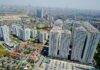
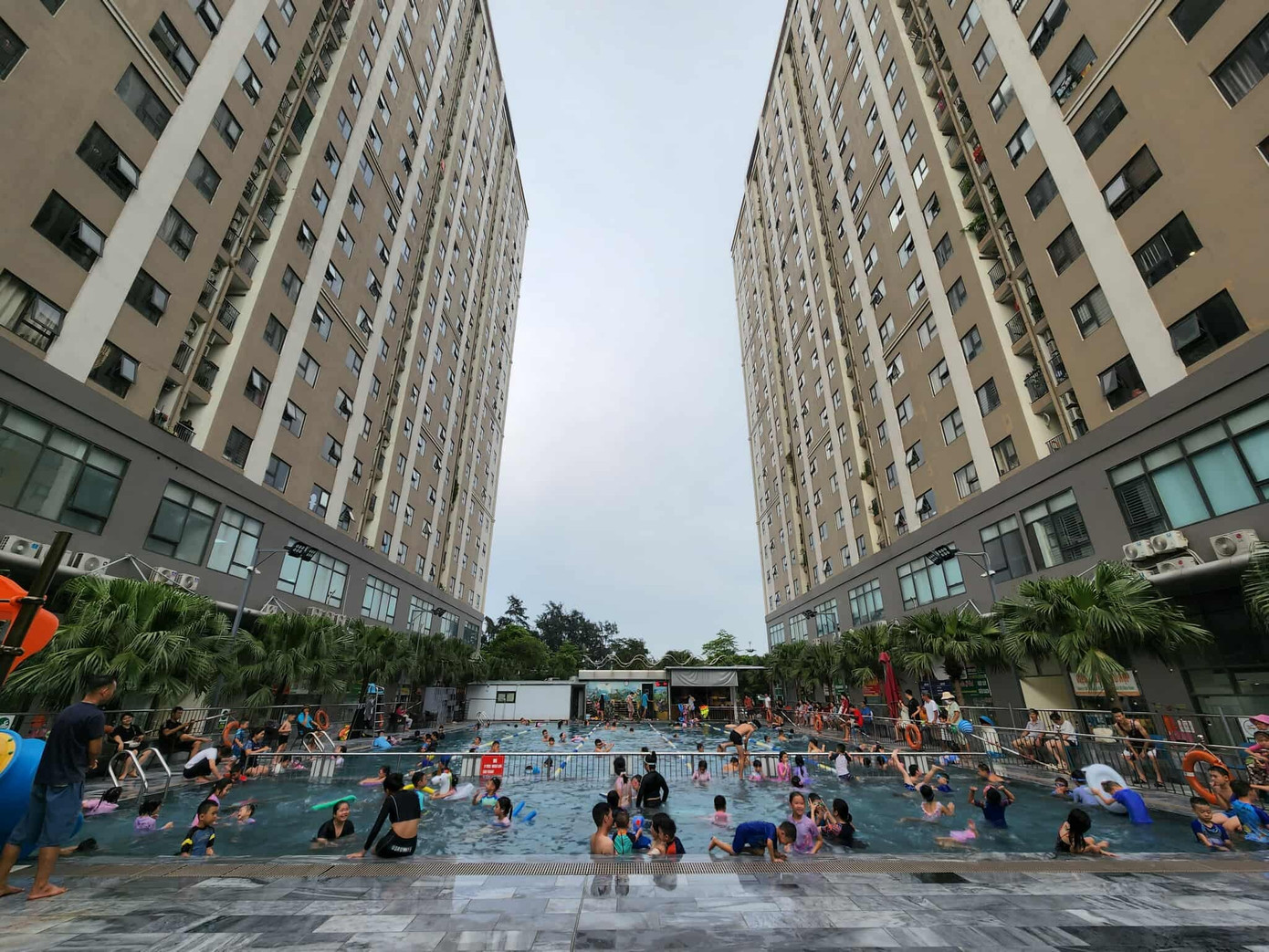
Particularly in major cities, housing prices have skyrocketed, far exceeding the affordability of the majority of residents, especially middle and low-income groups, including workers, officials, and civil servants.
“In many cases, property prices no longer reflect supply and demand but are influenced by speculation, opaque planning information, administrative boundary adjustments, and herd mentality,” the Ministry of Construction clarified.
According to the Ministry’s report, in the first nine months of the year, the average primary sale price of apartments in Hanoi and Ho Chi Minh City ranged from 70 to 80 million VND per square meter. Some luxury apartment projects in Hanoi recorded prices between 150 and 300 million VND per square meter.
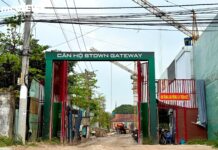
In reality, the “land fever” phenomenon is not limited to major cities like Hanoi and Ho Chi Minh City but has spread to many provinces and cities with expanded administrative centers or new industrial zones. These surges have caused property prices to spike, while infrastructure and amenities have not kept pace.
What can be done to stabilize the market?
According to the Ministry of Construction, to stabilize the market and ensure residents can access housing at reasonable prices, it is essential to regulate the real estate market, particularly by adjusting the structure of housing products and land transaction prices.
The Ministry is researching and proposing a pilot mechanism for a “Real Estate and Land Use Rights Transaction Center” managed by the state to enhance transparency in real estate transactions.
Additionally, the Ministry is drafting a Resolution on mechanisms to control and curb real estate prices, aiming to establish a specific legal framework to regulate and adjust the market. This will gradually reduce housing prices to levels commensurate with the income of the majority of residents, particularly middle and low-income groups, while promoting transparency and controlling speculative activities.
Concurrent efforts include developing comprehensive policies on land, investment, planning, credit, taxation, and investor selection to robustly develop affordable housing. Controlling profit margins in this segment is considered a “key solution” to reduce product costs.
Adjusting the imbalanced market structure will create a supply of affordable commercial housing, thereby lowering overall price levels and increasing housing accessibility for those in need.
Furthermore, the Ministry of Construction is collaborating with relevant agencies to review and improve the legal framework for housing, real estate business, urban planning, and construction. This aims to resolve bottlenecks and create a sustainable development environment for the market.
A key focus is advancing the program to build at least 1 million social housing units by 2030 to meet the housing needs of low-income individuals.
The Ministry is also drafting a Decree to amend Decree 94/2024 on the construction and management of information systems and databases for housing and the real estate market. This will serve as the foundation for developing and operating a national database on housing and the real estate market. Additionally, the Ministry is working with the Ministry of Finance to finalize the legal framework for establishing the National Housing Fund.
According to the Ministry of Construction, establishing legal tools to control and regulate the real estate market will not only help cool housing prices but also contribute to ensuring social welfare and macroeconomic stability.
Proposed Residential Property Ownership Declaration: Addressing Feasibility Concerns and Redundancy Issues
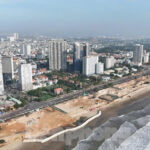
In Vietnam, the diversity of housing types—ranging from temporary shelters and unauthorized constructions to registered homes, disputed properties, and abandoned houses—makes it impossible to compile accurate housing statistics. Building population databases based on such fragmented housing data inevitably leads to duplication, inaccuracies, and jurisdictional overlaps among agencies.
Prime Minister Firmly Committed to Gold Market Inspections

Prime Minister Pham Minh Chinh is resolute in his commitment to scrutinizing the gold market. Deputy Prime Minister Le Thanh Long emphasized, “If the banking inspection falls short, the Government Inspectorate will step in to take charge.”
Deputy Prime Minister Le Thanh Long: Establishment of a Gold Trading Exchange in the Works
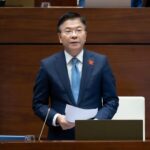
Vice Prime Minister Lê Thành Long announced that the government has implemented numerous measures to enhance the efficiency of gold market management.
Proposed Mechanism for Real Estate Price Regulation by the Ministry of Construction

The Ministry of Construction has introduced a series of market regulation measures, including a resolution on mechanisms to monitor and control real estate pricing.
Proposed Property Ownership Declaration: Is It Feasible Without a Ready Data Infrastructure?
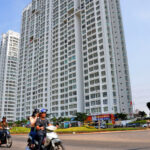
Experts suggest that the proposal to declare home ownership will enhance market transparency, providing a foundation for management, taxation, and policy planning. However, concerns arise regarding its feasibility, as the current data infrastructure is not yet prepared to support such an initiative.