



















According to the Q3 2025 Vietnam Real Estate Market Report by the Vietnam Association of Real Estate Research and Evaluation (VARS IRE), the tourism and hospitality real estate segment continues to show positive signs after a prolonged slump.
Experts from VARS IRE attribute this improvement not to chance but to the convergence of several fundamental factors. These include the unblocking of numerous large-scale projects previously stalled due to legal complications.
Additionally, the decline in interest rates has facilitated the return of affordable capital to the real estate sector, particularly benefiting long-term investors.
Vietnam’s tourism industry is also experiencing a robust recovery. The first nine months of the year saw record-breaking international visitor numbers, surpassing pre-pandemic levels, thanks to visa exemption policies. This surge has significantly boosted demand in the hospitality market.
Furthermore, substantial investments in transportation infrastructure, including new highways, airports, and seaports, have reduced travel times between key tourist destinations. This enhancement has increased the operational efficiency of hospitality projects.
The Vietnam Real Estate Brokerage Association (VARS) highlights the sector’s potential. “Looking ahead, with the tourism industry’s strong recovery and more favorable legal frameworks, the tourism and hospitality real estate segment is poised for significant transformation,” VARS forecasts.
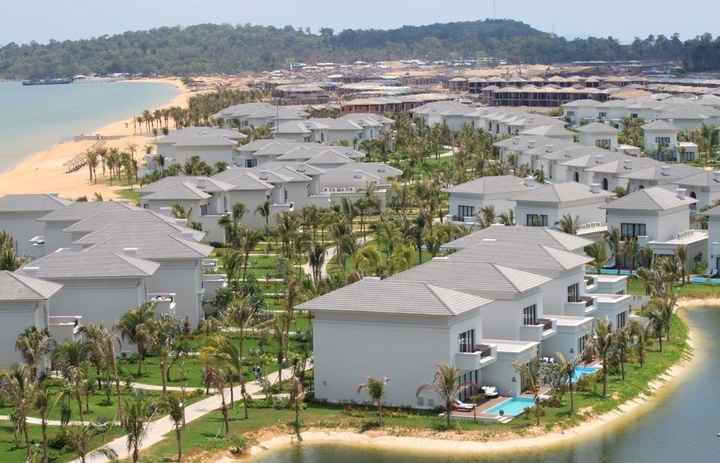
Hospitality real estate holds significant growth potential. (Illustrative image)
Mr. Le Dinh Chung, CEO of SGO Homes, identifies several positive factors driving the recovery of hospitality real estate: economic growth, a sharp rise in tourism, especially international visitors, and the government’s active measures to make tourism a key economic sector by 2030. Legal issues surrounding condotels and vacation villas are also being addressed.
However, Mr. Chung notes that buyers are increasingly cautious, focusing on projects with reasonable pricing and long-term ownership options in areas with strong tourism recovery.
Mauro Gasparotti, Senior Director at Savills Hotels Southeast Asia, shares a similar view: By 2035, over half of Vietnam’s population is expected to join the middle class, with higher incomes and spending power. Coupled with growing international tourism, this trend is set to fuel the domestic hospitality sector, fostering diverse hotel types, including lifestyle and serviced apartments.
Uyen Nguyen, Deputy Director of Savills Hotels, adds that the rise of Vietnam’s middle class, particularly among young people, has spurred tourism growth. Hotel operators are now focusing on brands that cater to this demographic’s needs.
Currently, Vietnam hosts 21 branded residence projects, second only to Thailand in Southeast Asia and ranking among the top 10 globally in development supply. This positions Vietnam as a regional hotspot in this sector.
“The recovery of Vietnam’s hospitality sector is not just short-term but marks the beginning of a new growth cycle, presenting both opportunities and challenges,” Ms. Uyen remarks.
Is It Time to Invest?
Despite positive recovery signs, experts caution that the hospitality real estate market is unlikely to boom in the short term. Sustainable growth requires a clear legal framework for condotels, officetels, and hometels, as well as flexible ownership and operation models accessible to individual investors.

Despite recovery, hospitality real estate faces short-term challenges. (Illustrative image)
Dr. Nguyen Van Dinh, Vice Chairman of the Vietnam Real Estate Association, suggests that the current market challenges present opportunities for investors. However, once the market fully recovers and grows as robustly as in other regional countries, investing will become more difficult due to soaring property values.
Meanwhile, experts from BHS Property predict that 2025 will continue to be a year of market consolidation for hospitality real estate. Projects with transparent legal status, reputable developers, and unique tourism appeal will remain attractive, while those lacking distinctiveness or efficient operations will struggle to compete.
Therefore, investors must thoroughly analyze cash flow, rental yields, payback periods, and operational commitments, rather than relying solely on price appreciation expectations.
Despite its potential, the hospitality real estate sector faces significant challenges, according to experts.
Mr. Nguyen Quang Huy, CEO of the Finance and Banking Department at Nguyen Trai University, points out that many resorts operate at low occupancy rates and struggle to attract guests. Declining profits have raised investor concerns. Ongoing projects face delays due to procedural hurdles and funding difficulties, with some even being indefinitely shelved, resulting in substantial resource wastage.
In addition to lingering pandemic effects, the market contends with natural disasters, macroeconomic fluctuations, and other challenges, contributing to a prolonged period of stagnation.
Legal ambiguities further complicate matters for both investors and developers. Investors worry about ownership risks, legal disputes, transfer difficulties, and inheritance issues. Developers face obstacles in attracting investment, project implementation, and operational management.
Moreover, unclear legal frameworks hinder credit access for hospitality real estate projects. Banks’ tighter credit controls have led to capital shortages and project implementation delays.
Vingroup Stock Adjustment: A Real Estate Group’s Market Test
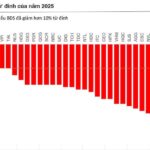
The current market dynamics surrounding Vin Group stocks are setting the stage for a critical test within the real estate sector. By late October 2025, nearly all monitored stocks had relinquished their short-term upward trajectories, marking a pivotal shift in investor sentiment.
Keppel Corporation’s Profit Surges 25%, with Vietnam Contributing 23% of Residential Land Bank and 26% of Commercial Property Portfolio

Keppel Corporation (Singapore) has unveiled its 9-month 2025 financial results, reporting a remarkable 25% surge in net profit. The report highlights the group’s aggressive shift towards a global asset management model, accelerated divestments, and strategic expansion into sustainable sectors.
OCH Corporation Restructures, Boosts Real Estate Focus, and Reports Q3 2025 Profits 2.4x Higher Than Projected
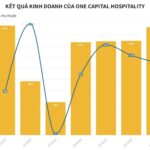
In the first nine months of 2025, OCH recorded a remarkable revenue of over 1.022 trillion VND, marking a 16.6% year-on-year growth. The company’s post-tax profit reached 115.3 billion VND, surpassing the 2025 profit plan set by the Annual General Meeting by 2.4 times.
₫10 Million: Savings Account, Gold Investment, or Car Purchase?

Vietnam’s financial market is entering a vibrant year-end phase, as individual investors seek more lucrative opportunities rather than letting their money idle in bank accounts.
Ho Chi Minh City Real Estate: Scarce Supply Meets Dwindling Affordability

Residential real estate in Ho Chi Minh City faced continued challenges in Q3 and the first nine months of 2025, marked by persistent supply shortages and declining affordability. These pressures have accelerated a trend of homebuyers shifting their focus to neighboring provinces.