Starting in April, a foreign news agency reported that Samsung might adjust its production, shifting part of its mobile phone manufacturing (in Vietnam) to other countries.
According to this agency, concerns over tariffs, power supply issues, Vietnam’s increased tax rates for large multinational corporations based on global standards, the scarcity of skilled labor, and rising wage costs are pressures diminishing Vietnam’s investment appeal compared to other nations.
While many expressed concerns that President Donald Trump’s retaliatory tariffs could impact several companies, including Samsung in Vietnam, the business results of Samsung’s four main factories in Vietnam tell a different story.
In reality, these four units achieved a
total revenue of 67.352 trillion KRW
(equivalent to approximately
45.86 billion USD
or
1,210 trillion VND
) in the first nine months of 2025,
a 5.53%
increase compared to the same period in 2024. The total profit for the group was
4.369 trillion KRW
(around
2.97 billion USD
),
up 4.51%.
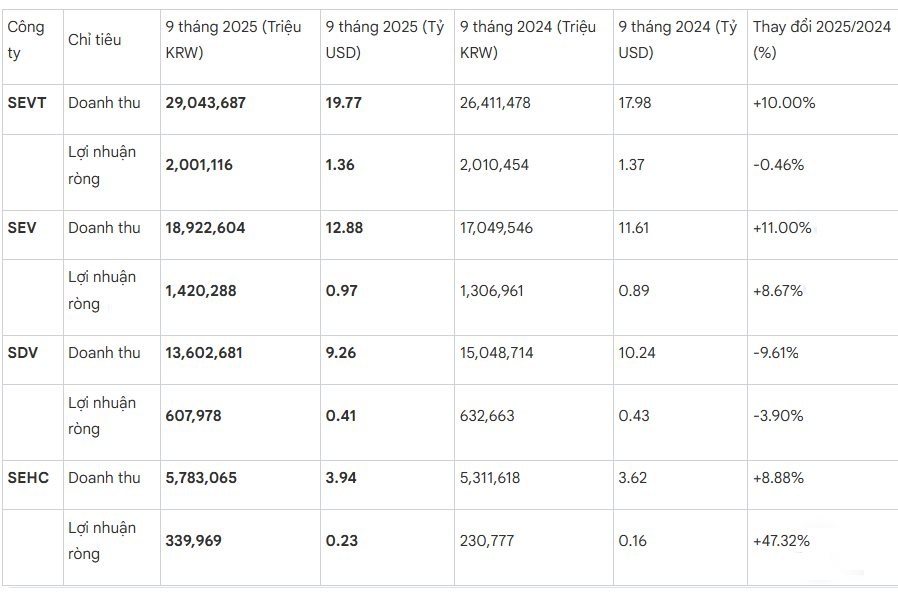
SEVT boasts the largest revenue scale among the units in Vietnam,
reaching
29.044 trillion KRW (521.6 trillion VND) in the first nine months of 2025
, a
10%
increase compared to 2024. However, its net profit remained nearly flat, at 2.001 trillion KRW, with a slight decrease of
0.46%.
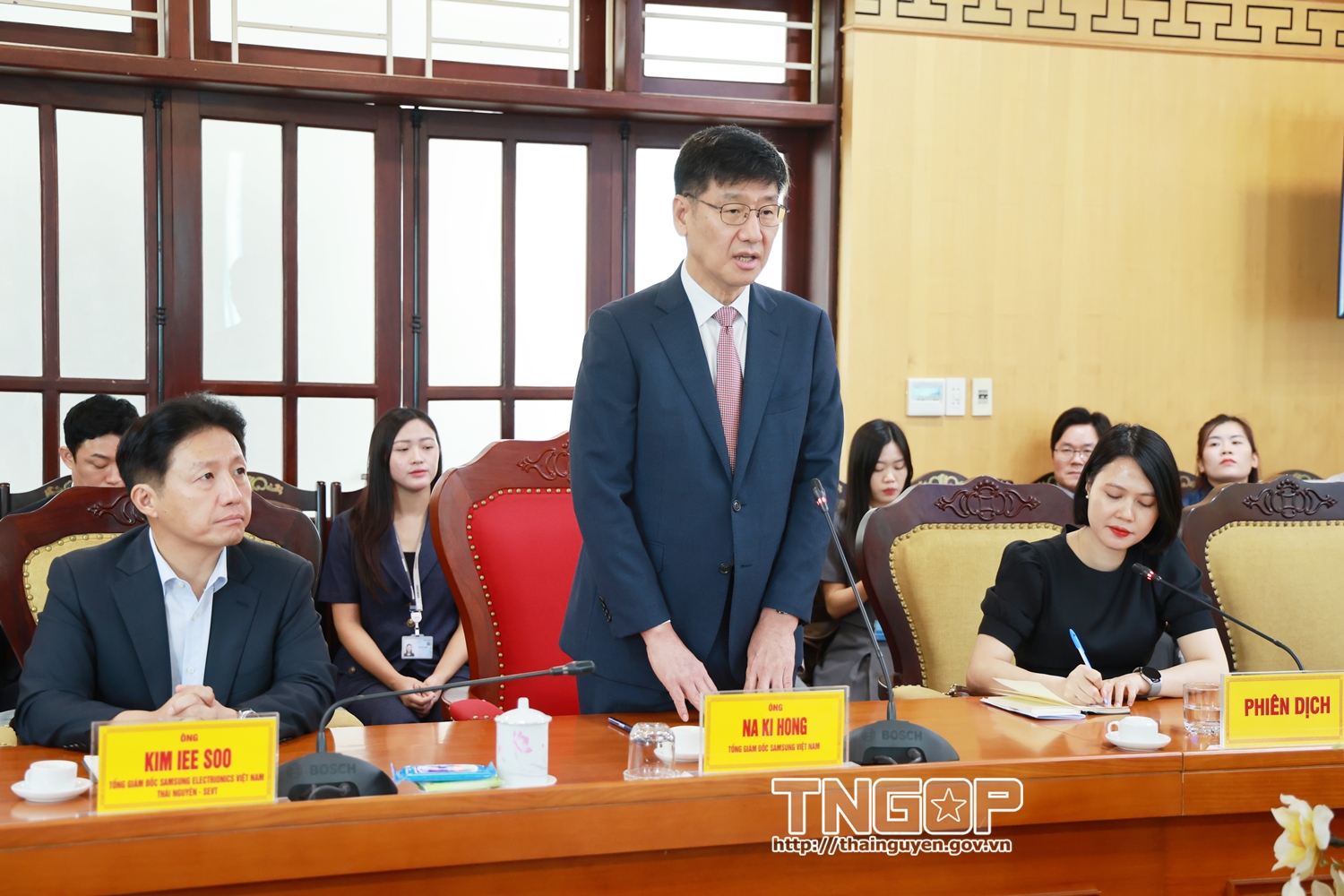
One factor affirming SEVT’s success is its strategic location in Thai Nguyen province. In October, while many areas in the North faced storms and floods, a Samsung Vietnam delegation led by CEO Na Ki Hong emphasized: Samsung Vietnam’s factories in Thai Nguyen, along with many other FDI enterprises operating in the province’s industrial zones, were
not directly affected by natural disasters
.
The group’s leadership was highly impressed by this, as it demonstrates the locality’s long-term strategic vision for industrial development, further deepening FDI investors’ confidence in Thai Nguyen.
SEV
also recorded growth in both metrics. SEV’s revenue reached
18.923 trillion KRW
, an
11%
increase, with profits rising
8.67%
to 1.420 trillion KRW
SEHC
is the ”
star” in profit growth
for the Vietnam group. Despite having the smallest revenue among the four units at 5.783 trillion KRW, up
8.88%,
SEHC’s profit soared
47.32%
to
340 billion KRW.
In contrast to the overall growth,
SDV
was the only subsidiary to record a decline in the first nine months of 2025, amid the unit’s increased investment in Vietnam.
SDV’s revenue reached
13.603 trillion KRW
, a
9.61%
decrease.
Profit also dropped
3.9%
to 608 billion KRW.
A recent significant investment by Samsung in Vietnam was in September 2024, when SDV committed to investing 1.8 billion USD in Bac Ninh for the production of OLED screens for mobile phones, IT devices, and automobiles. In January 2025, Bac Ninh province granted SDV an Investment Registration Certificate for an additional 1.2 billion USD investment, and by May 2024, another Investment Registration Certificate was issued.
To date, Samsung’s presence in Vietnam includes six factories, one Research and Development (R&D) Center, and one sales entity. Samsung is the largest foreign direct investor in Vietnam, with a total investment of 23.2 billion USD.
Vietnam Surges into Top 15 Global Trade Powerhouses: A New Launchpad for Growth
As of November 15, 2025, Vietnam’s total import-export turnover has surpassed $801 billion, marking an all-time high and significantly exceeding the Ministry of Industry and Trade’s September forecast of $800 billion.
Unmet Demand: The Vast Opportunity in Vietnam’s Senior Care Real Estate Market
The current elderly care system is still in its infancy, with fewer than 30% of communes and wards offering support models for seniors. Nationwide, the number of specialized care centers remains under 100, highlighting significant gaps in meeting the growing needs of the aging population.
Luxury Condos in Ho Chi Minh City Hit Staggering 450 Million VND/m² Mark
Despite luxury and high-end apartment projects in Ho Chi Minh City reaching staggering prices of 120-200 million VND per square meter, with some even hitting 450 million VND, interest has surged by 168% in the past quarter.
High-Speed Rail Project: Company Urges Immediate Action with $100 Billion Funding Pledge

Mr. Truong stated that he has submitted an urgent petition regarding his exclusion from the North-South High-Speed Railway project meeting. He has requested a direct meeting to present and clarify his investment proposal and capital plan.
Vietnam Joins Top 15 Global Trade Powerhouses with $801 Billion in Total Trade, Poised to Surpass India
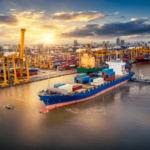
“At the current growth rate, Vietnam could very well surpass India in just one to two years,” stated Mr. Nguyễn Tuấn Việt, CEO of VIETGO Export Promotion Company.