Volkswagen is ramping up its operations in the Chinese market, aiming to export a significant number of locally produced vehicles to international markets, excluding Europe. This strategy leverages cost advantages, making automotive development in China more cost-effective compared to other regions.
As European automakers face increasing competition from emerging Eastern brands, many have shifted focus to establishing production networks in China. For established names like Volkswagen, the allure of this market is becoming increasingly evident.
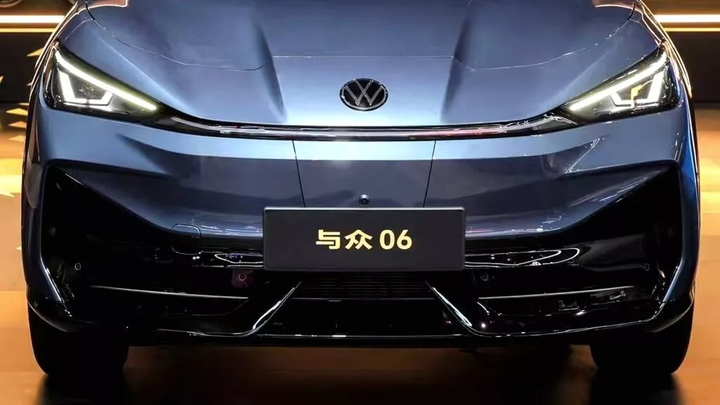
Volkswagen is boosting exports of China-made vehicles to international markets. (Source: Carscoop)
According to the Financial Times, Volkswagen revealed it can develop and manufacture a new electric vehicle in China at half the cost compared to other regions. What makes China such an efficient hub?
Volkswagen has invested billions in the local market, capitalizing on factors like lower labor costs, shorter development times, superior battery procurement, and supply chain efficiency, reducing costs by up to 50%. Part of this efficiency stems from the company’s new R&D center in Hefei, which plays a pivotal role in shaping next-generation electric vehicles.
By optimizing integration across teams and departments, Volkswagen can develop a new electric vehicle 30% faster than before, cutting the process from 50 months to an even quicker timeline. Thomas Ulbrich, CTO of Volkswagen Group China, noted the facility offers “a completely new level of integration,” enabling software, hardware, and vehicle validation to run concurrently. He stated, “We can now shorten decision loops and bring innovations to completion much faster.”
Volkswagen has begun exporting China-made gasoline sedans to the Middle East, and Ulbrich confirmed the company is exploring similar exports to Southeast Asia and Central Asia. However, there are no plans to introduce China-made vehicles to Europe due to two key reasons: the vehicles’ electronic architecture does not meet European standards, and tariffs on Chinese-made electric vehicles could negate cost benefits.
Looking ahead, Volkswagen plans to launch 30 new electric vehicle models in China over the next five years. These models will be crucial in helping the company regain market share in this competitive landscape. Data from the Financial Times indicates Volkswagen is not among the top 10 brands for battery-electric or plug-in hybrid vehicles in China, though it still holds a 20% market share in the internal combustion engine segment.
BRICS Nation Invests $1 Billion in Rare Earth Development, Aiming to Reduce China Dependence and Attract U.S. Interest with World’s 5th Largest Reserves
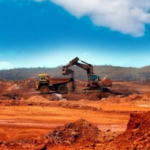
The vast majority of viable rare earth mineral deposits are concentrated in the southern regions of this nation.
VinFast Launches Strategic Offensive in 280 Million-Strong Market: Phạm Nhật Vượng’s Blueprint to Dominate a Key Territory
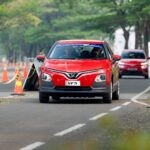
VinFast transcends the role of a mere car manufacturer. Under the visionary leadership of billionaire Pham Nhat Vuong, the company is forging a comprehensive ecosystem of services, redefining the automotive experience.
Hanoi Bans Gasoline Motorcycles Within Ring Road 1 Starting July 1, 2026: When Did Major Global Cities Implement Similar Measures?
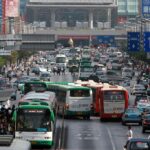
Hanoi has officially announced a roadmap to ban gasoline-powered motorbikes within the Inner Ring Road starting July 1, 2026. This bold move positions the capital city at the forefront of a global trend embraced by numerous countries worldwide.
Russia Faces New Asian Competitor Amid Customer Loss: Covertly Shipping Over 200,000 Barrels of Oil Daily to China via Third Parties

This nation is currently under sanctions imposed by the United States.
VinFast’s Blockbuster Move: Could Its $3.5 Billion Debt Be Written Off?
VinFast’s Q3/2025 financial report submitted to the U.S. Securities and Exchange Commission (SEC) reveals significant multi-trillion dong contributions from Vingroup and billionaire Pham Nhat Vuong, aimed at bolstering the electric vehicle company’s growth.