Brazil, the world’s largest producer of Arabica coffee, is undergoing a profound shift in its coffee industry as the impacts of climate change become increasingly evident. Arabica, renowned for its mild and delicate flavor, is becoming harder to cultivate under harsh weather conditions. This has forced many farmers to switch to Robusta, a bean variety known for its robust flavor, heat tolerance, and disease resistance.
In recent years, traditional Arabica-growing regions in Brazil have faced prolonged droughts, rising temperatures, and unpredictable weather patterns. While Arabica remains the primary coffee export, data from the U.S. Department of Agriculture (USDA) reveals that Robusta production in Brazil has surged by over 81% in the past decade—a growth rate far outpacing Arabica.
According to Fernando Maximiliano, Director of Coffee Market Information at StoneX, Robusta presents an opportunity for Brazil to maintain its position as the world’s largest coffee supplier amid rapid climate change. “Climate challenges and Arabica losses are the primary drivers behind Robusta’s growth, rather than market demand,” he noted.
Market data underscores this shift. Over the past three years, Brazil’s Arabica output has grown by only 2–2.5% annually, while Robusta has expanded by an average of 4.8% per year. This season alone, Robusta production soared by nearly 22%, driven by its resilience to adverse weather and higher profitability for farmers.
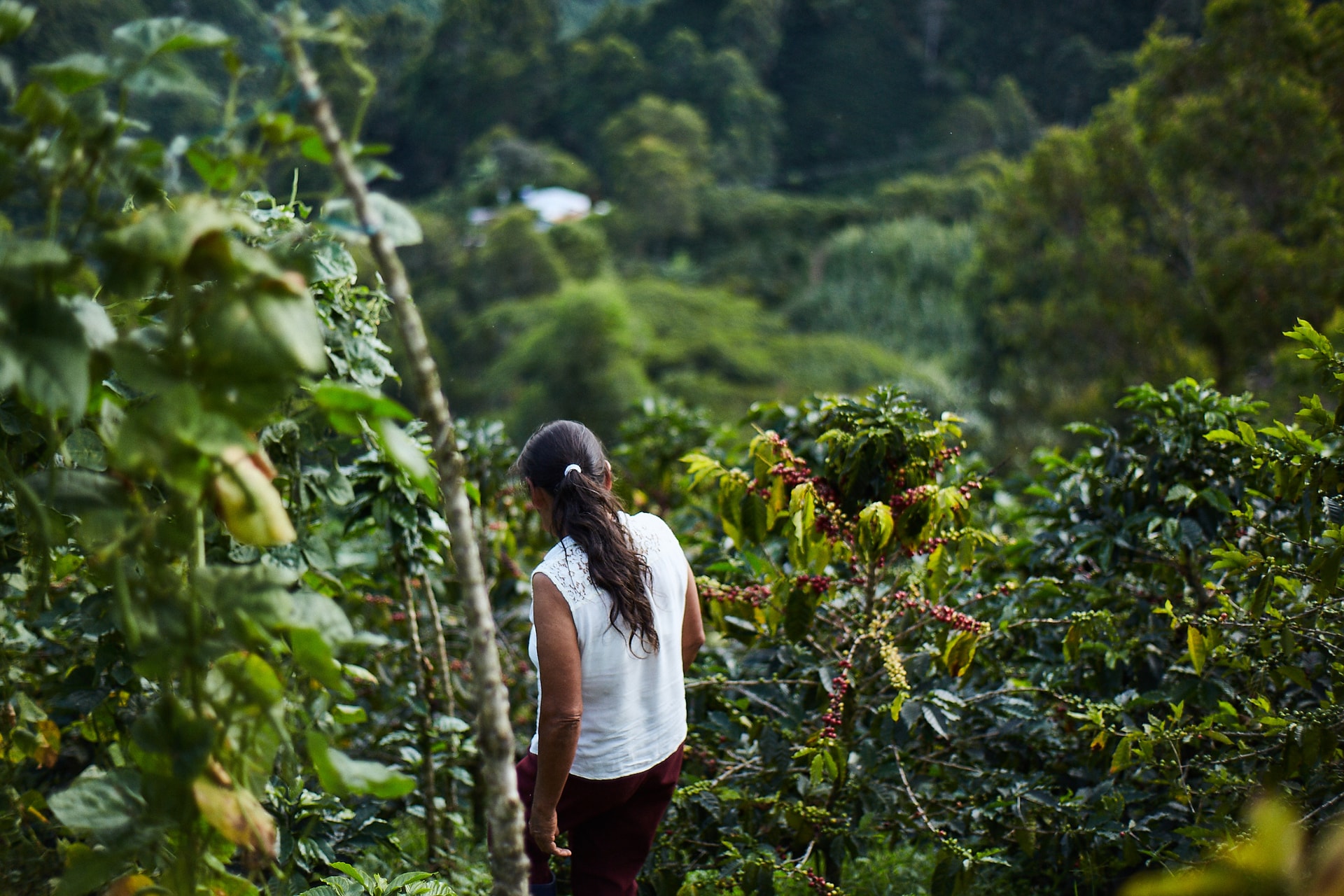
In regions where temperatures are too high for Arabica to thrive, Brazilian farmers are adopting new cultivation techniques to expand Robusta acreage. One popular method involves planting coffee under the shade of native trees to maintain moisture and stabilize yields. “This approach reduces the impact of high temperatures on coffee plants,” said Jonatas Machado, Commercial Director of Café Apuí in the Amazon region.
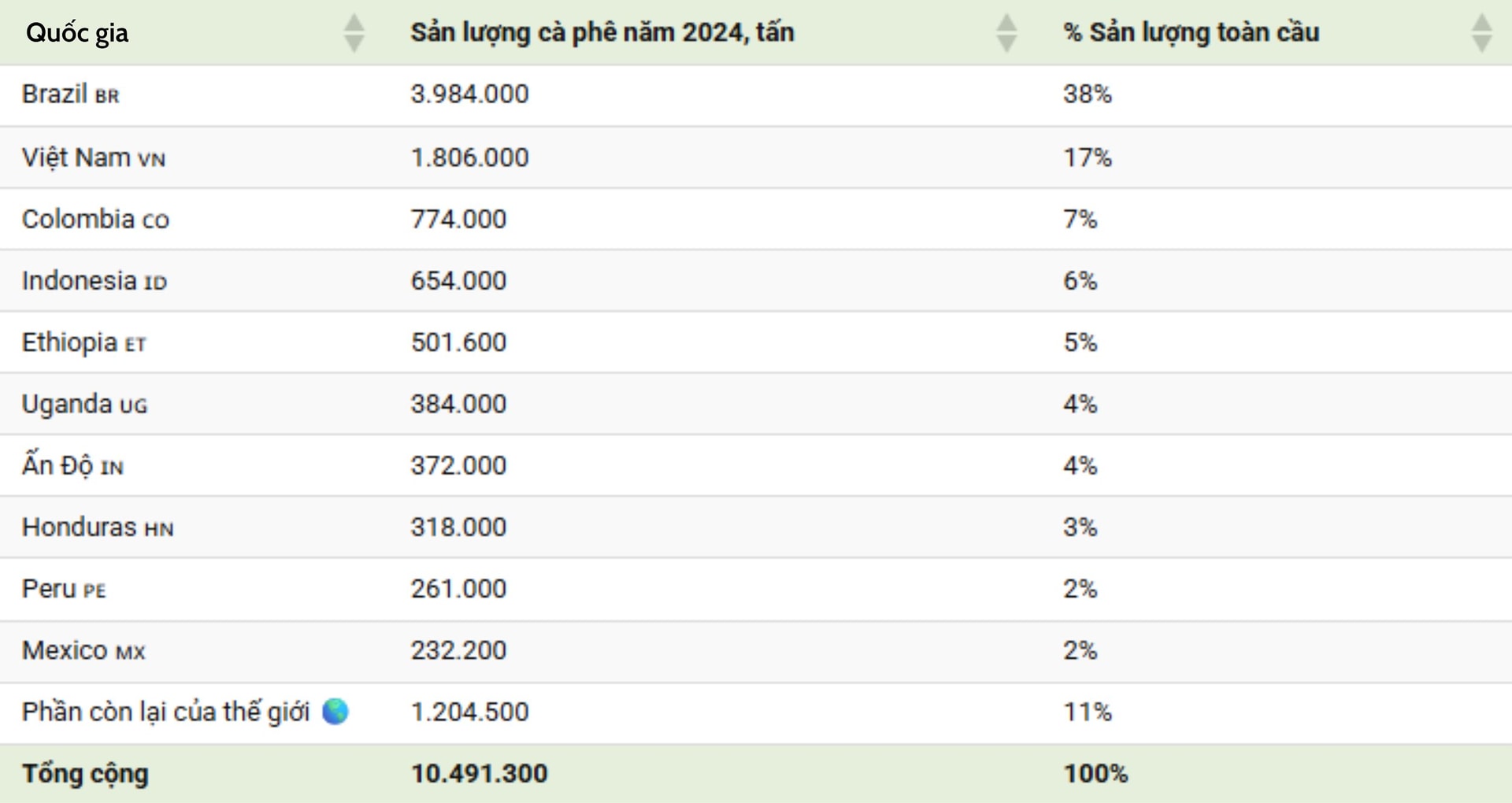
Global coffee production in 2024 (Visual Capitalist).
Robusta’s rise in Brazil is also reshaping the global coffee landscape. While Vietnam remains the world’s largest Robusta exporter, Brazil is rapidly closing the gap, thanks to its efficient supply chain and surging production.
Robusta typically contains higher caffeine levels and a bolder flavor compared to Arabica. However, younger consumers today are less focused on the original flavor of coffee beans, favoring milk-based, creamy, or syrupy beverages that minimize the differences between the two varieties. “They care less about origin or flavor,” observed Matthew Barry, Food Market Research Director at Euromonitor International.
Additionally, as global coffee prices rise, consumers are increasingly opting for Robusta, which is more affordable. In Europe, the price gap between Robusta and Arabica is expected to widen as the EU implements new regulations requiring imported products to be deforestation-free.
Notably, instant coffee—primarily made from Robusta—is exempt from these regulations, creating significant growth opportunities. According to Grand View Research, the EU accounts for nearly 50% of global instant coffee revenue.
Despite being cheaper than Arabica, Robusta prices have reached record highs this year. Alexsandro Teixeira, a researcher at the Brazilian Agricultural Research Corporation, attributes this to Robusta’s nearly double yield compared to Arabica and rising market prices, which have encouraged farmers to invest heavily in its cultivation. Improved Robusta quality is also enhancing its appeal in international markets.
As climate change persists, Robusta may become a key factor in helping Brazil maintain its global coffee industry leadership—while simultaneously reshaping coffee consumption habits worldwide.
Today’s Coffee Prices (Nov 26): A 3-Digit Surge
Coffee prices today surged, led by a robust rally in Robusta beans. This is the news Vietnamese coffee farmers have been eagerly awaiting over the past few days.
“Abundant Oil, Rare Earths, Precious Metals: The Global Superpower Race for a Slice of the Pie”

The estimated value of resources in this region could reach trillions of dollars.
Hanoi Intensifies Efforts to ‘Rescue’ Infrastructure, Urgently Constructs 12 Retention Ponds to Combat Flooding

Speaking with Tiền Phong, Deputy Director of Hanoi’s Department of Construction, Nguyễn Thế Công, revealed that the department is urgently advising the city to implement synchronized and critical flood prevention measures. The top priority is to upgrade the drainage infrastructure, construct 12 emergency retention basins, finalize the urban drainage elevation plan, and build forced pumping stations.
Today’s Coffee Prices (Nov 16): A Dismal Week for Coffee Prices
Coffee prices plummeted today, mirroring a global downturn. In some areas, local dealers are purchasing beans below the 110,000 VND/kg mark.
Emerging Continent Poised to Become the World’s New “Oil Superpower”: Output Surges by Over 650,000 Barrels/Day, Unveiling Largest Reserve Discovery in 25 Years
South America is emerging as one of the top five global oil growth drivers outside of OPEC.