Vietnam’s Logistics Market Valued at $45-50 Billion
On November 29th, the Ministry of Industry and Trade, in collaboration with the People’s Committee of Da Nang City, hosted the Vietnam Logistics Forum under the theme “Vietnam Logistics – Rising into the New Era.” Prime Minister Pham Minh Chinh attended and directed the forum.
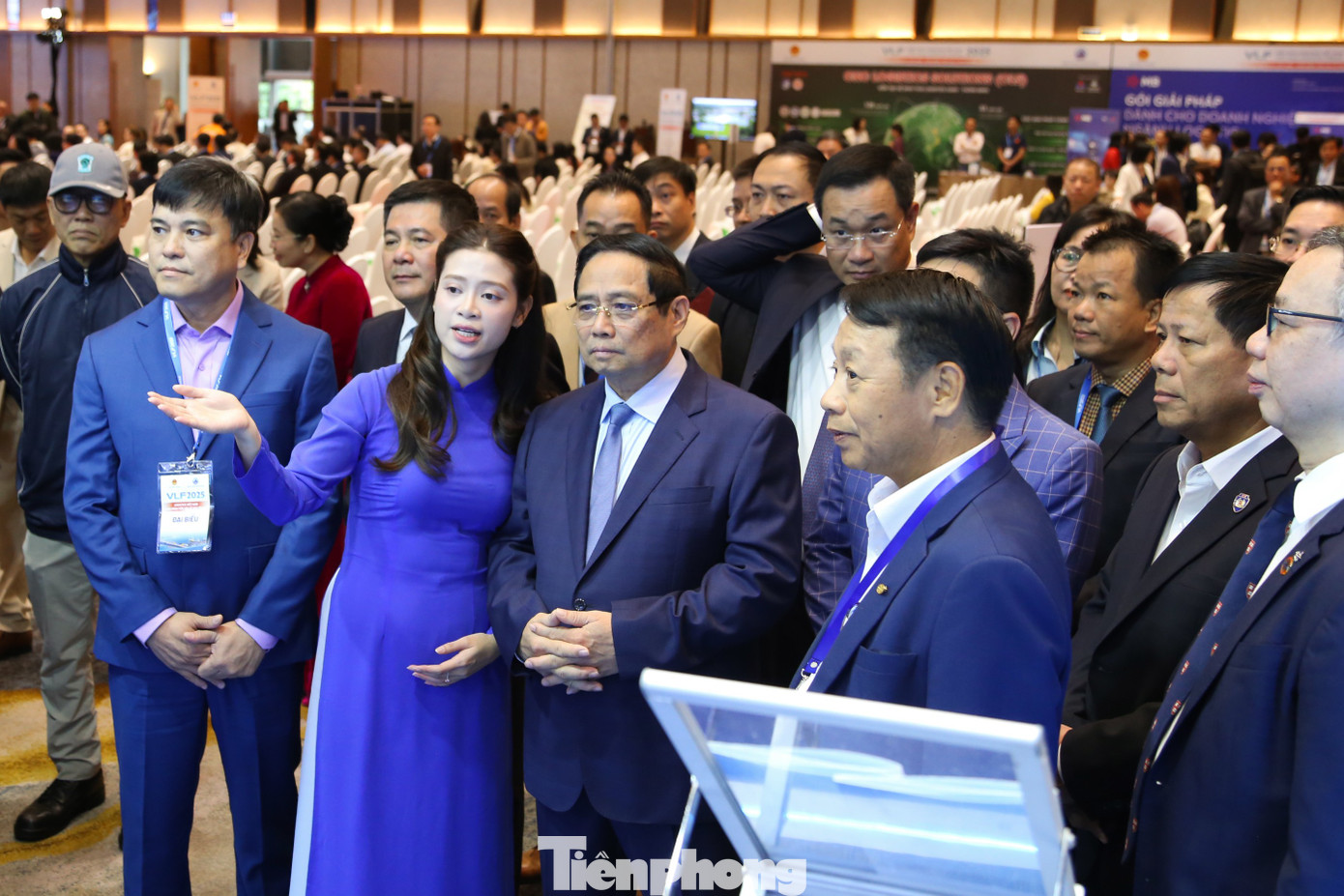
Prime Minister Pham Minh Chinh and delegates visit enterprise booths at the Vietnam Logistics Forum. Photo: Giang Thanh
Vietnam is recognized as a high-potential market for logistics development, with favorable conditions for constructing large-scale, modern logistics infrastructure.
According to Minister of Industry and Trade Nguyen Hong Dien, the Party and State have implemented numerous policies and solutions to address challenges, reduce costs, enhance competitiveness, and foster a conducive environment for logistics growth.
Vietnam’s logistics sector has grown significantly (14-16% annually, double the global average). The market is valued at $45-50 billion, accounting for 10% of GDP and 5% of import-export turnover.
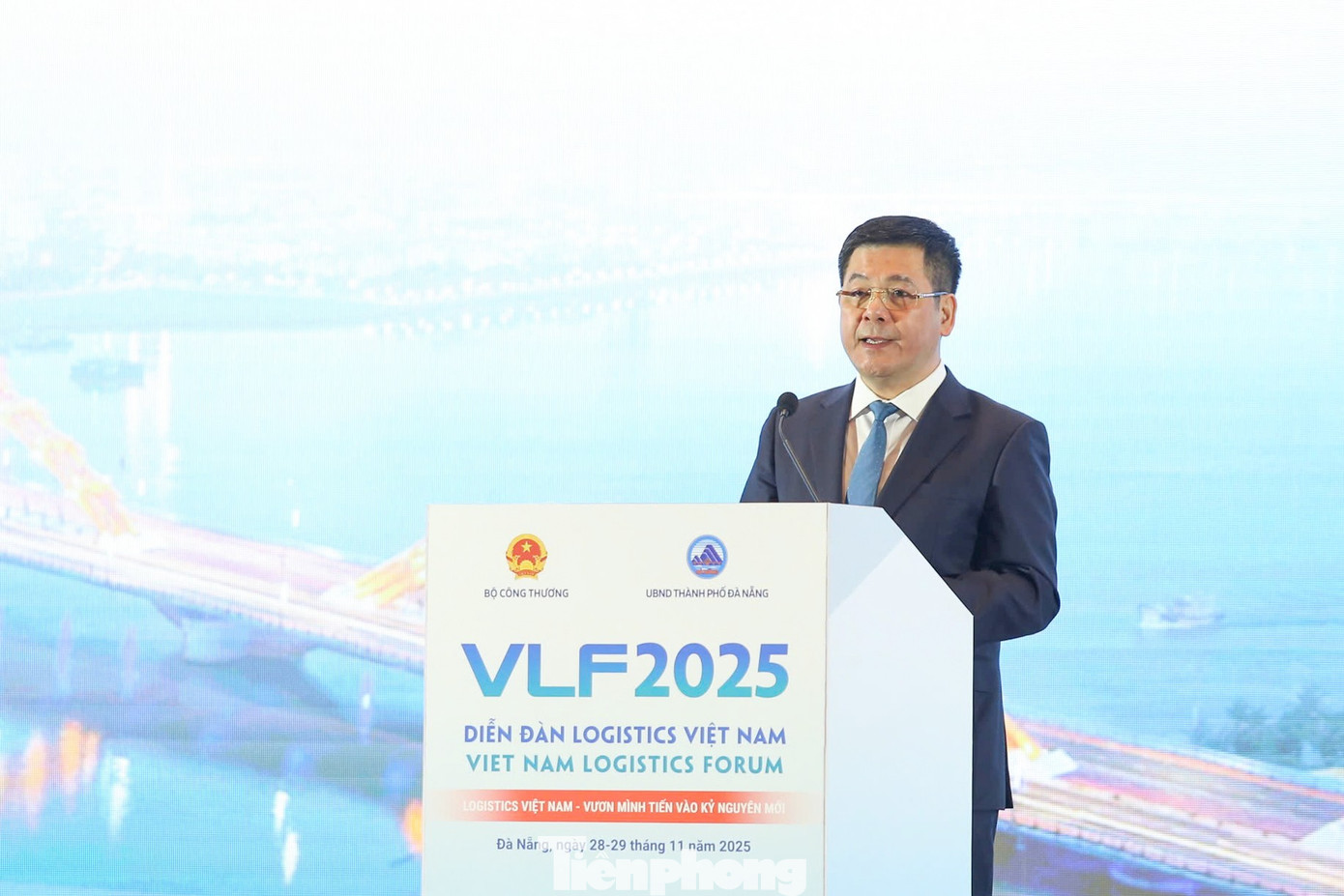
Minister Nguyen Hong Dien states the logistics market is valued at $45-50 billion, 10% of GDP.
In 2025, Vietnam ranked among the top 10 emerging logistics markets globally, top 4 in the region for logistics opportunity index, and top 5 in ASEAN and top 40 worldwide for logistics performance.
“However, Vietnam’s logistics growth hasn’t matched its potential. Urgent, comprehensive solutions are needed to remove bottlenecks, unlock resources, and drive this vital sector forward,” said Minister Dien.
Prioritizing Green and Digital Logistics
At the forum, Prime Minister Pham Minh Chinh identified six logistics bottlenecks: high costs compared to regional peers; inadequate regional connectivity and infrastructure; small-scale enterprises dominating (34,000 logistics firms, mostly SMEs); lack of a national logistics hub; outdated regulations; and lagging digital and green transformation.
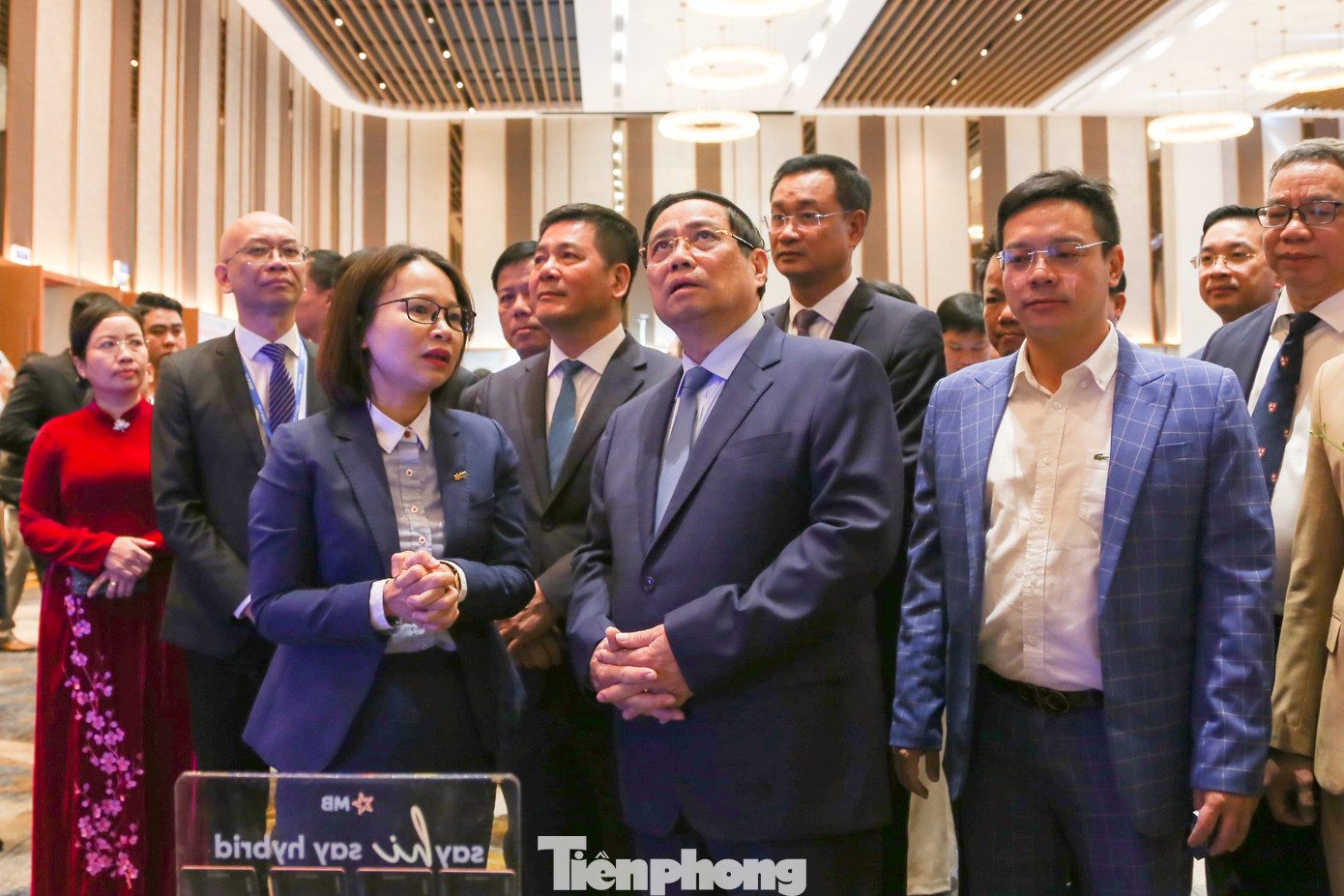
Prime Minister Pham Minh Chinh highlights six logistics bottlenecks.
He emphasized shifting from supporting small-scale logistics to modern development, enhancing regional and global connectivity, and viewing logistics as essential for socioeconomic growth. Ministries must achieve double-digit growth, 1.5 times the national target, and reduce logistics costs to 11% of GDP.
The Prime Minister outlined eight strategies: streamline policies; cut red tape; develop green, digital infrastructure; train skilled workers; foster multinational logistics firms; mobilize resources; encourage innovation; and strengthen international logistics connections.
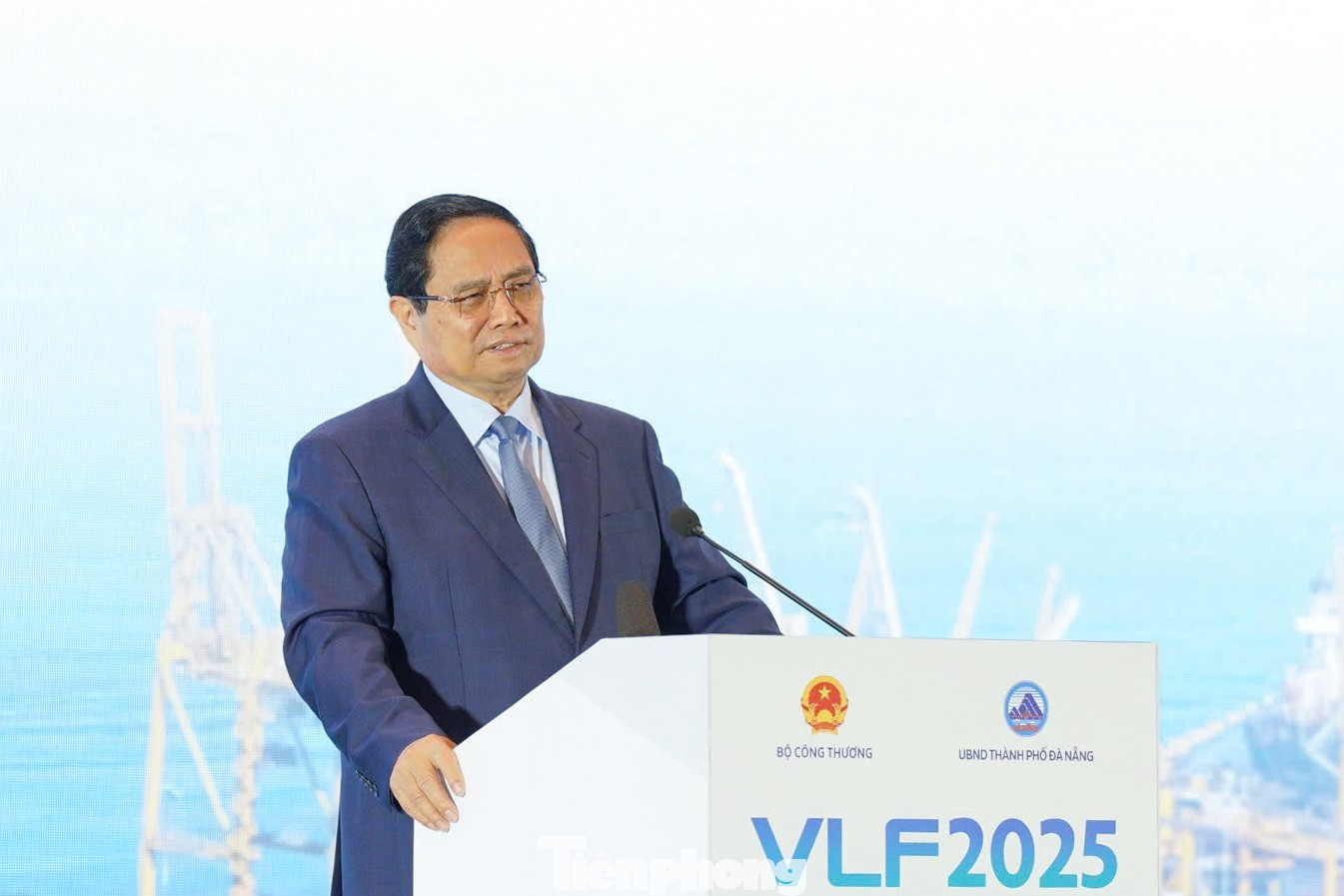
Prime Minister Pham Minh Chinh advocates for a smart, green, digital logistics ecosystem.
He stressed green logistics for sustainability, digital transformation for efficiency, and integrating logistics databases to reduce carbon emissions. By 2030, value-added should reach 20-25%.
Enterprises must innovate, adopt digital and green practices, and integrate into global supply chains. The government will establish funds for green logistics and smart management, supporting startups and e-commerce platforms.
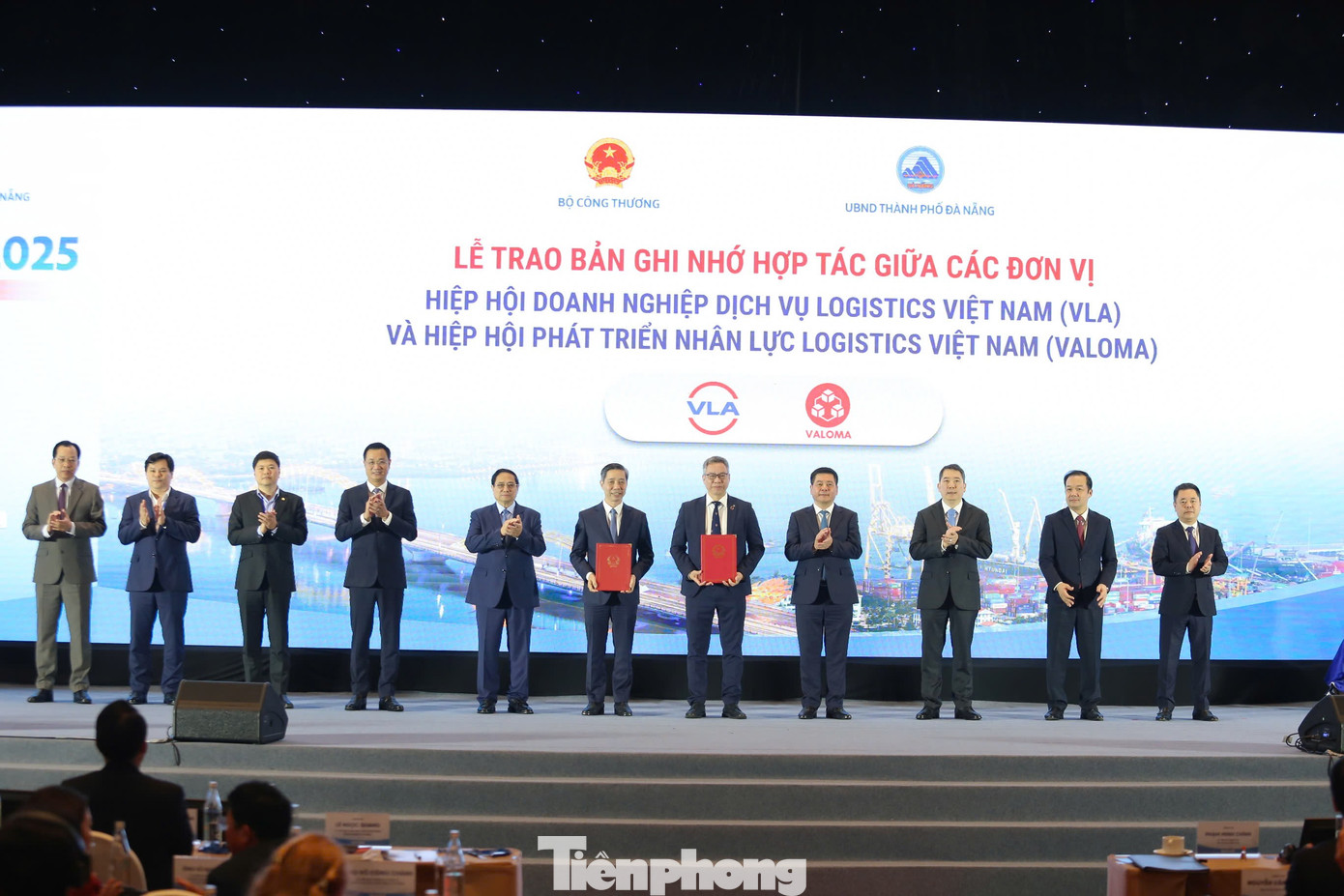
Enterprises and associations sign cooperation agreements.
The Prime Minister directed ministries to implement the 2025-2035 Logistics Strategy, enhance ASEAN and national single-window mechanisms, develop green finance, and build a national logistics database.
The Vietnam Logistics Forum, held annually since 2013, promotes logistics development, integrates logistics with production and trade, and fosters dialogue among stakeholders.
Emerging Urban Corridor: Economic Hub Development from Da Nang Airport to Chu Lai

Da Nang City has identified the eastern region, stretching from Da Nang Airport to Chu Lai Airport, as the foundation for a coastal urban corridor and a key socio-economic hub. This strategic area will drive development and support growth in the western region.
Streamlining Administrative Procedures and Business Conditions: Urgent Reforms Needed

By 2025, all business-related administrative procedures will be fully digitized, allowing 100% online completion. Additionally, a plan to streamline and reduce 2,269 business conditions has been approved.
BIC Capital Increase: A Pivotal Leap Toward Breakthrough Growth

The Ministry of Finance has officially issued Adjustment License No. 11/GPĐC21/KDBH, approving BIDV Insurance Corporation (BIC) to increase its chartered capital to 2,020 billion VND.
Prime Minister: Logistics Growth Must Outpace GDP by 1.5 Times, Drastically Cutting Costs
Logistics, hailed as the lifeblood of the economy, has been thrust into the spotlight by Prime Minister Phạm Minh Chính. He has set ambitious targets for the sector, demanding annual growth of 15-16%, a contribution of 6-7% to GDP, and a reduction in logistics costs below the current 16%.
Hanoi Sets Ambitious 11% Growth Target for 2026
On November 26th, the Hanoi People’s Council, term 2021-2026, convened its 28th regular session.