

















Nguyen Canh Di Extension is a heavily trafficked road stretching from Lu River Bridge to Dinh Cong Bridge, serving as a vital artery for daily commuters.
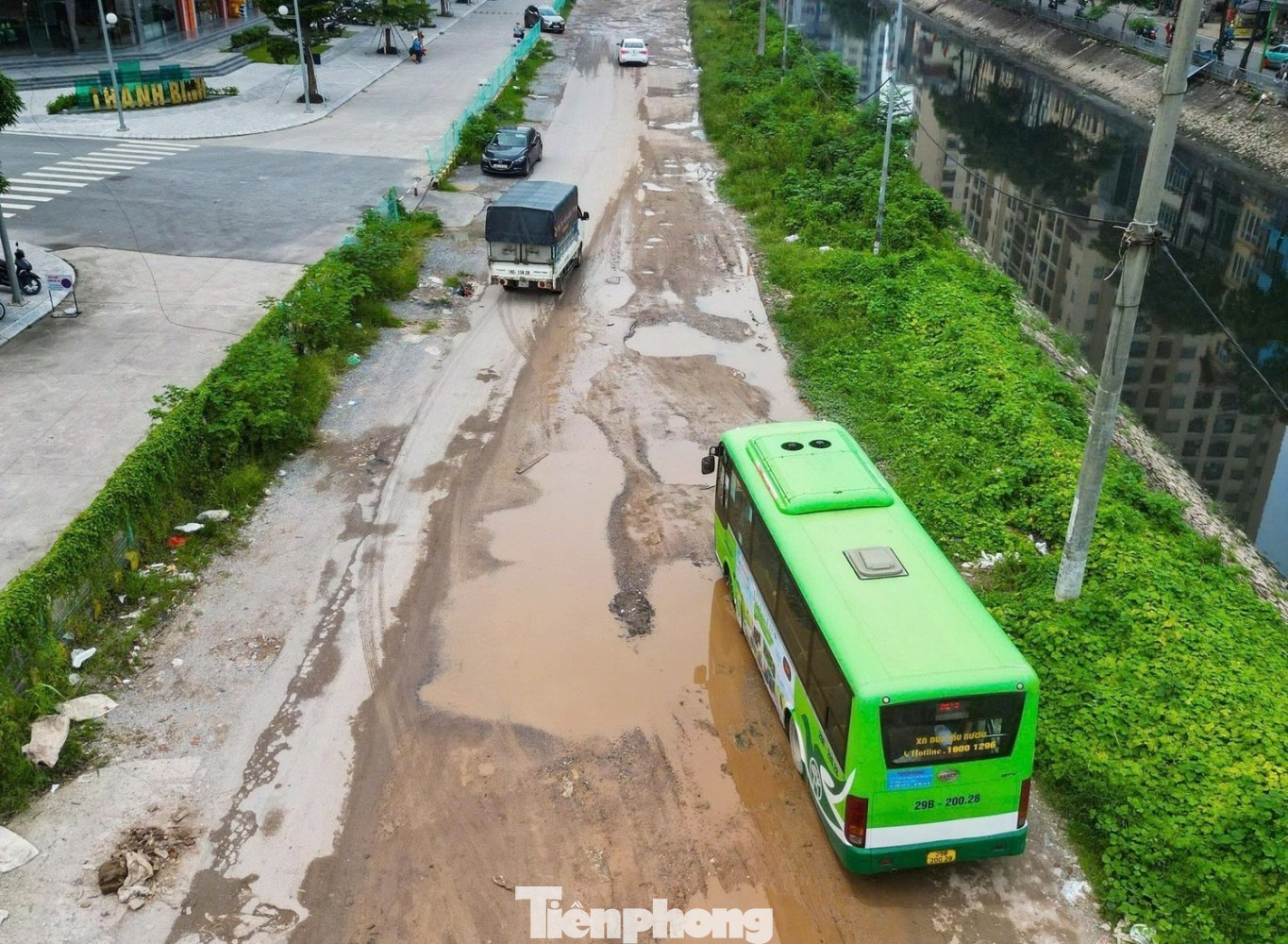
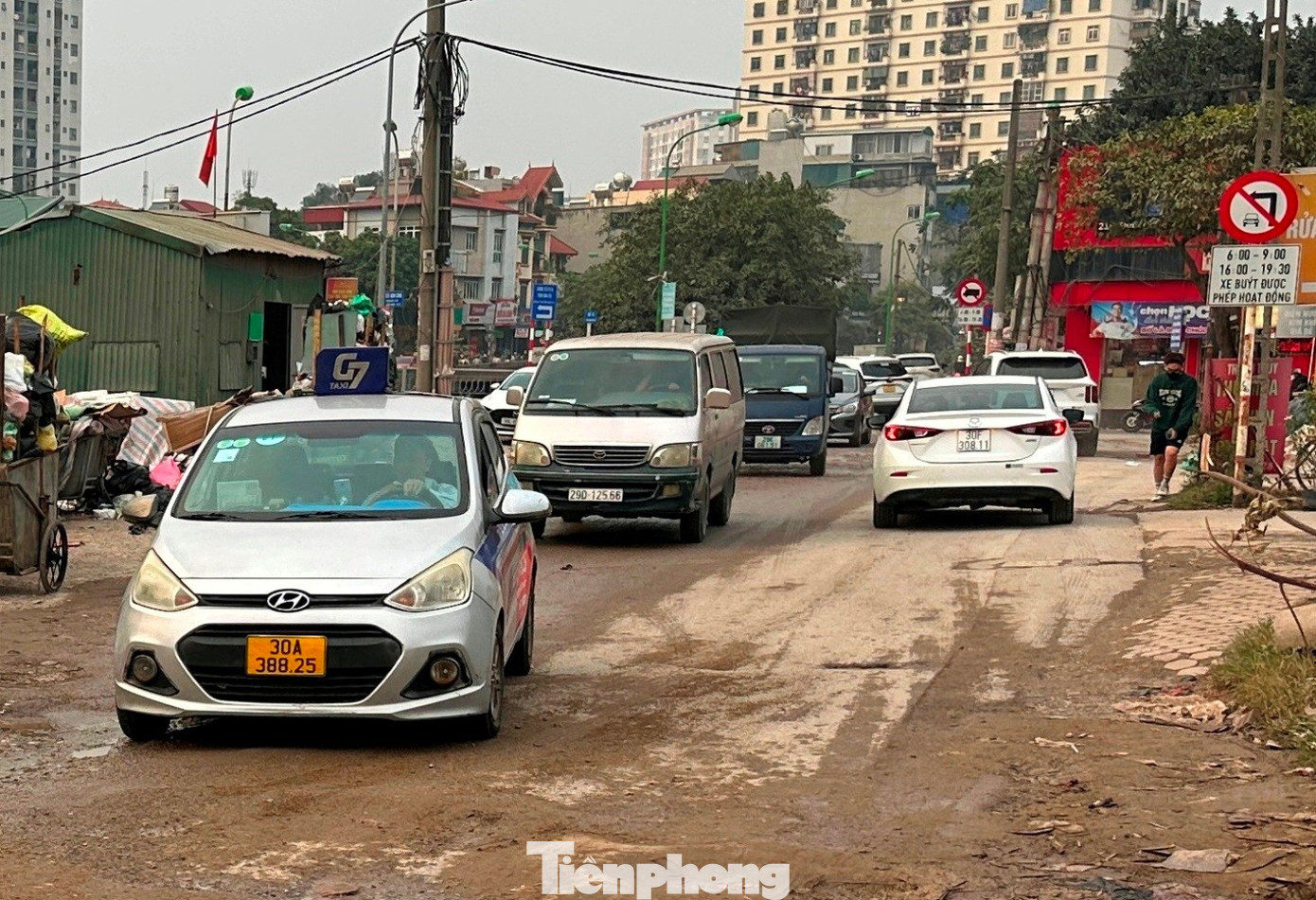
However, over the past decade, the road has severely deteriorated, plagued by potholes and persistent waterlogging, even on dry days.
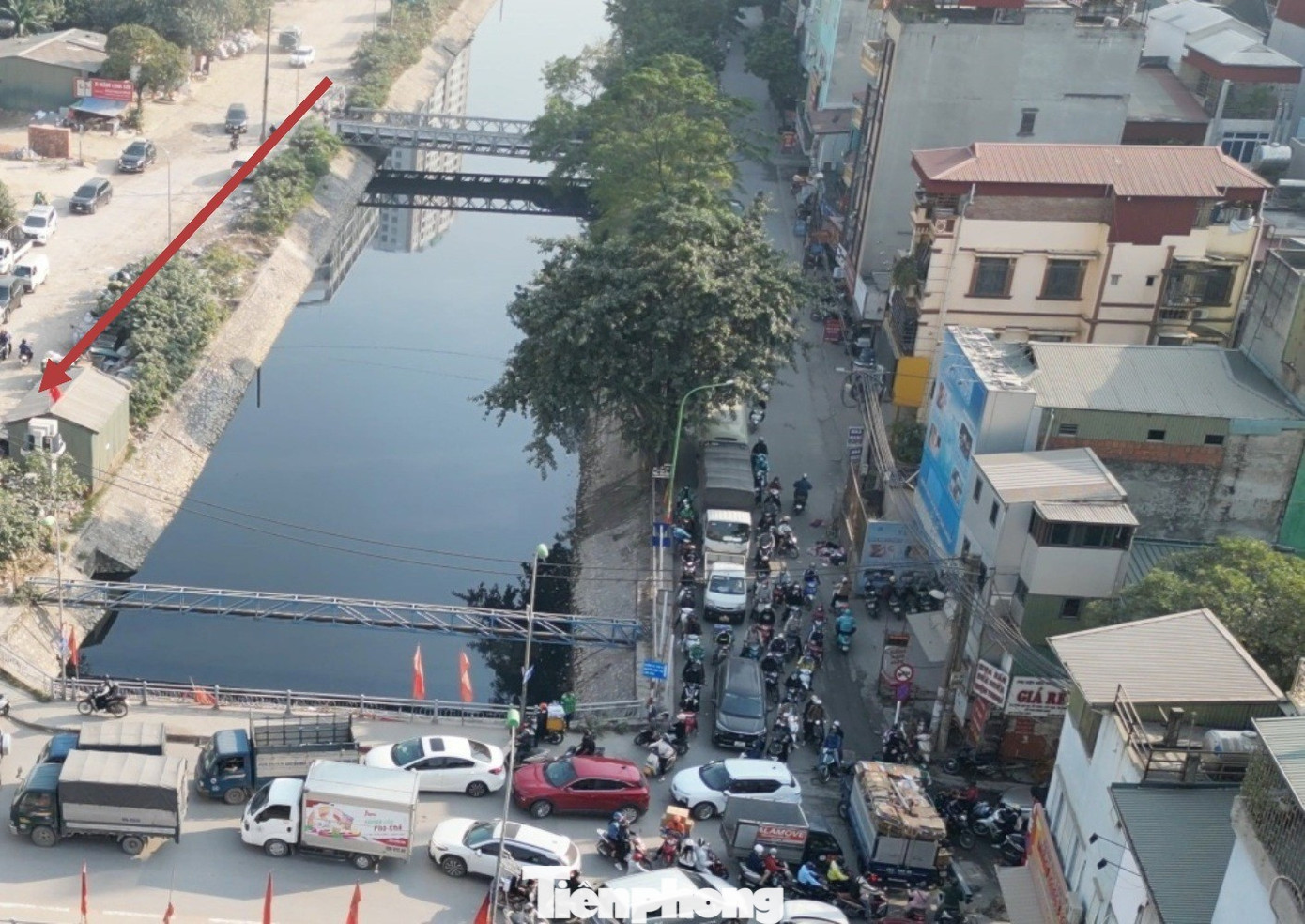
The poor condition of Nguyen Canh Di (south of Lu River) has shifted traffic to Trinh Dinh Cuu Street on the opposite bank, causing frequent congestion. Photo taken on November 29, 2025.
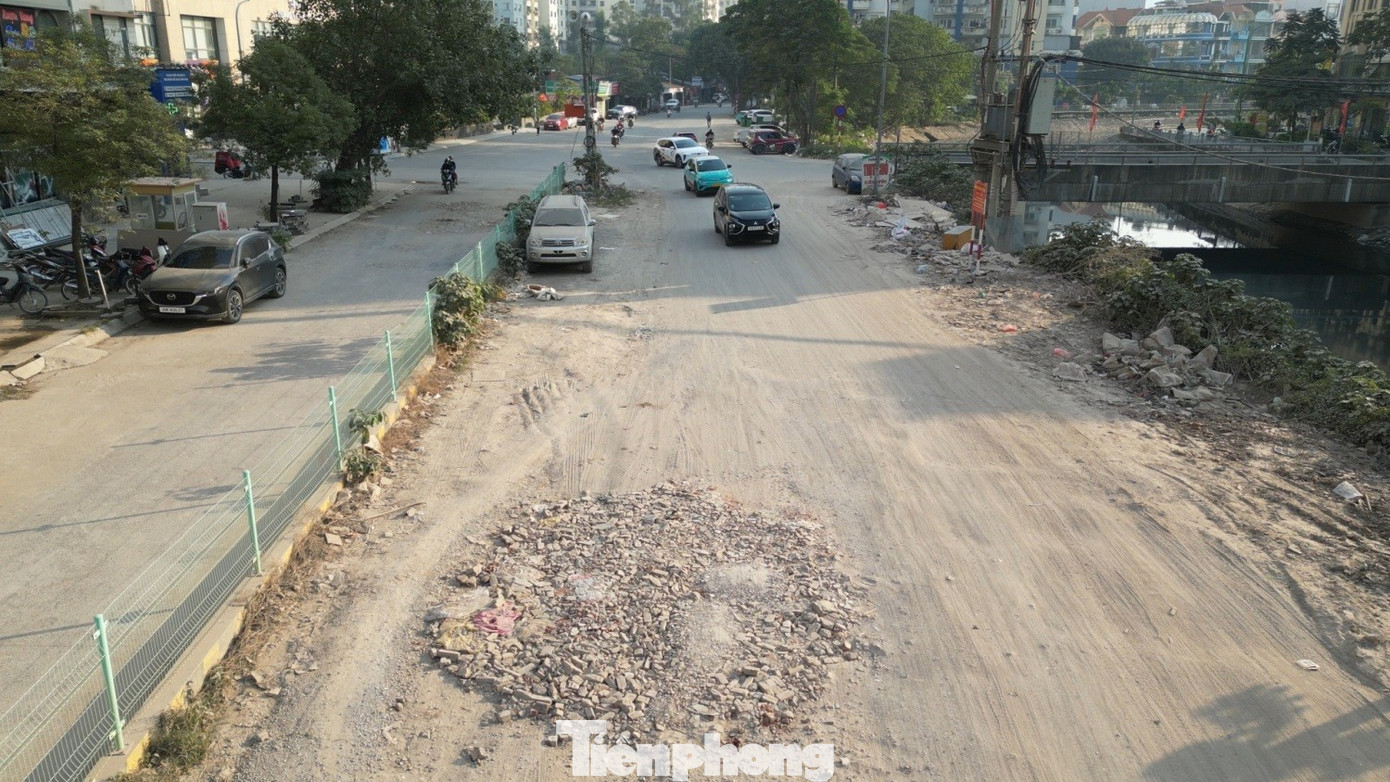
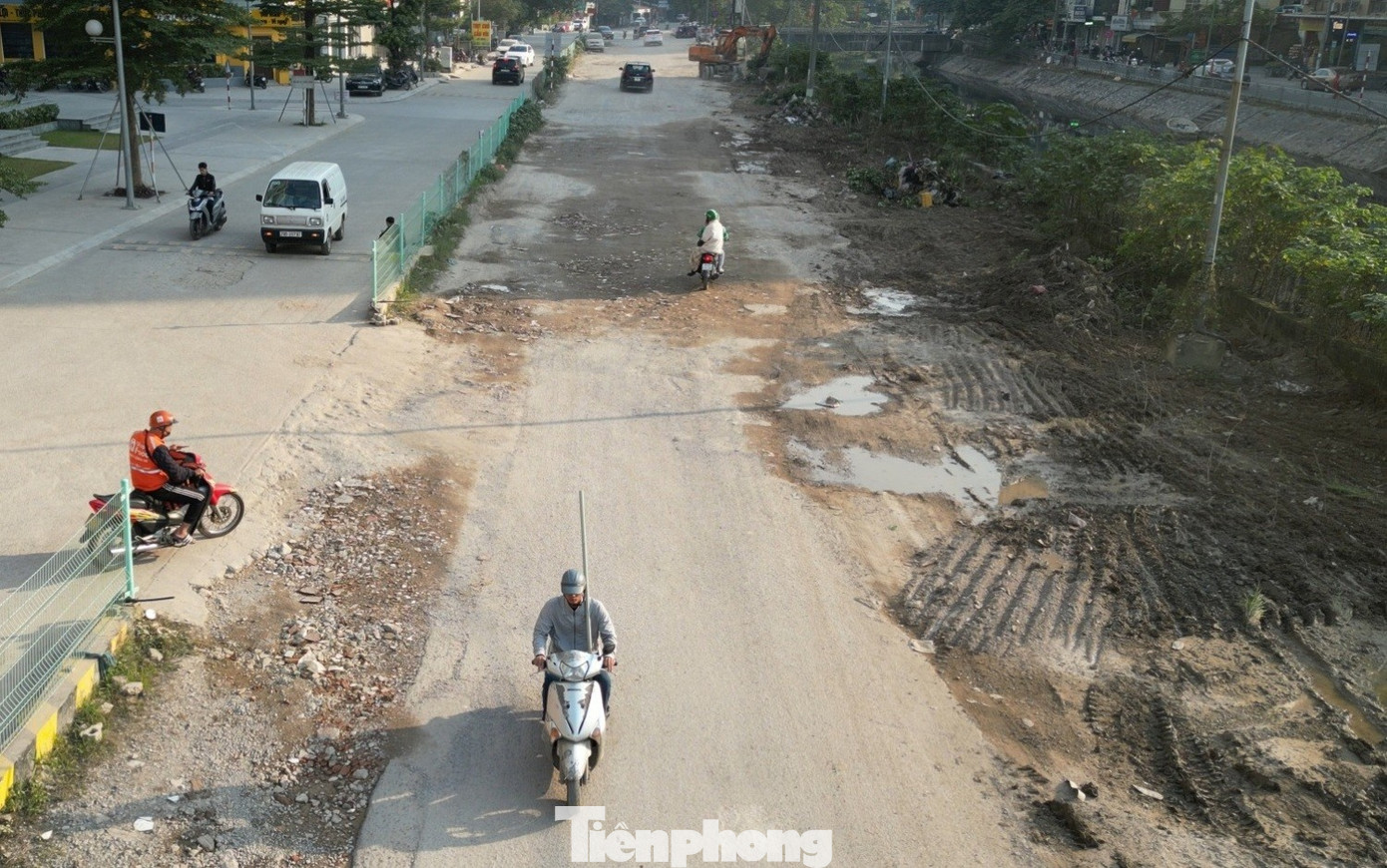
Nguyen Canh Di’s surface is critically damaged, posing significant risks to motorists and pedestrians alike.
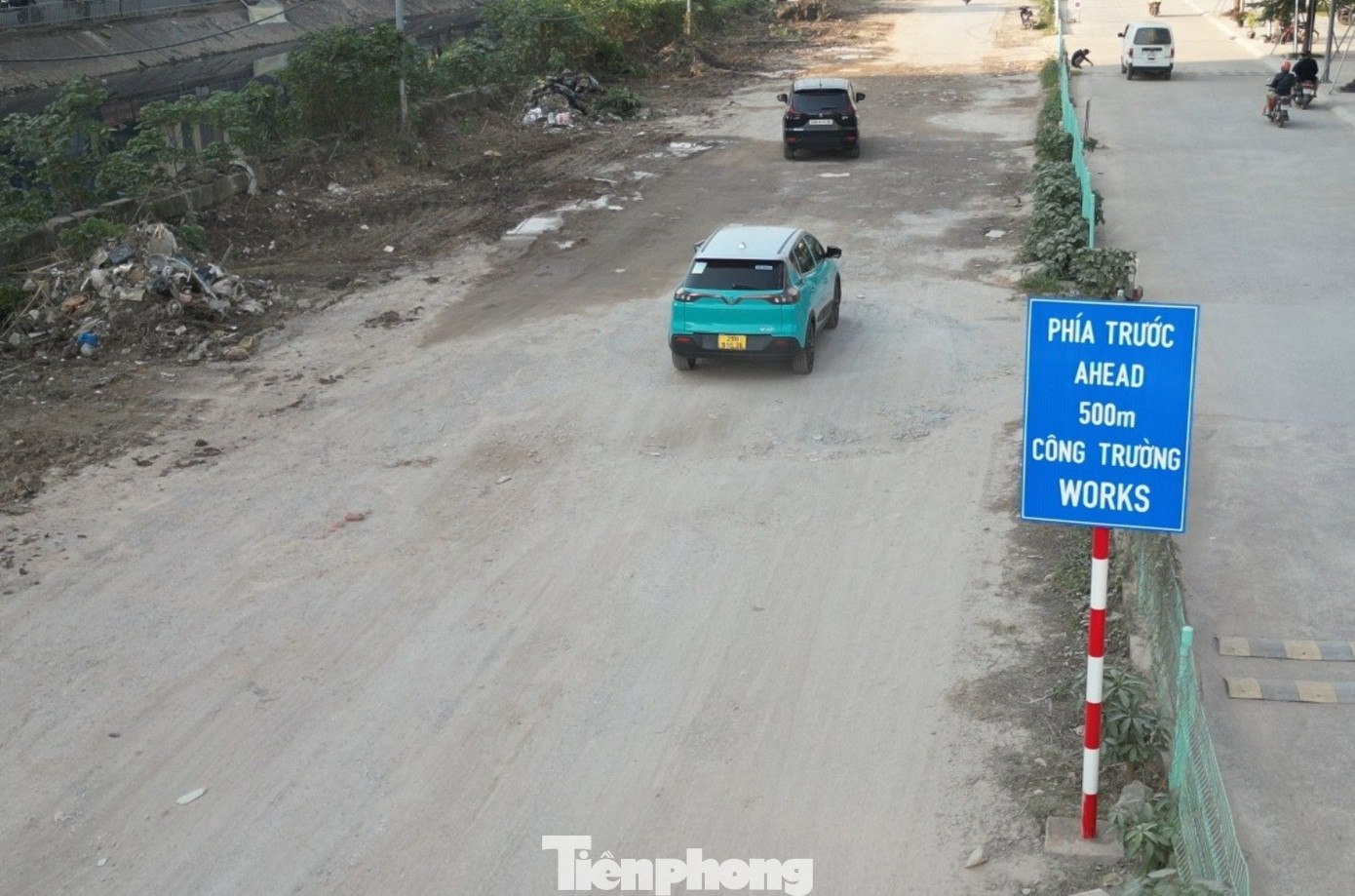
To alleviate traffic pressure and ensure safety, Hanoi’s People’s Committee has directed urgent repairs. The Department of Construction has implemented traffic diversions and installed signage to facilitate construction.
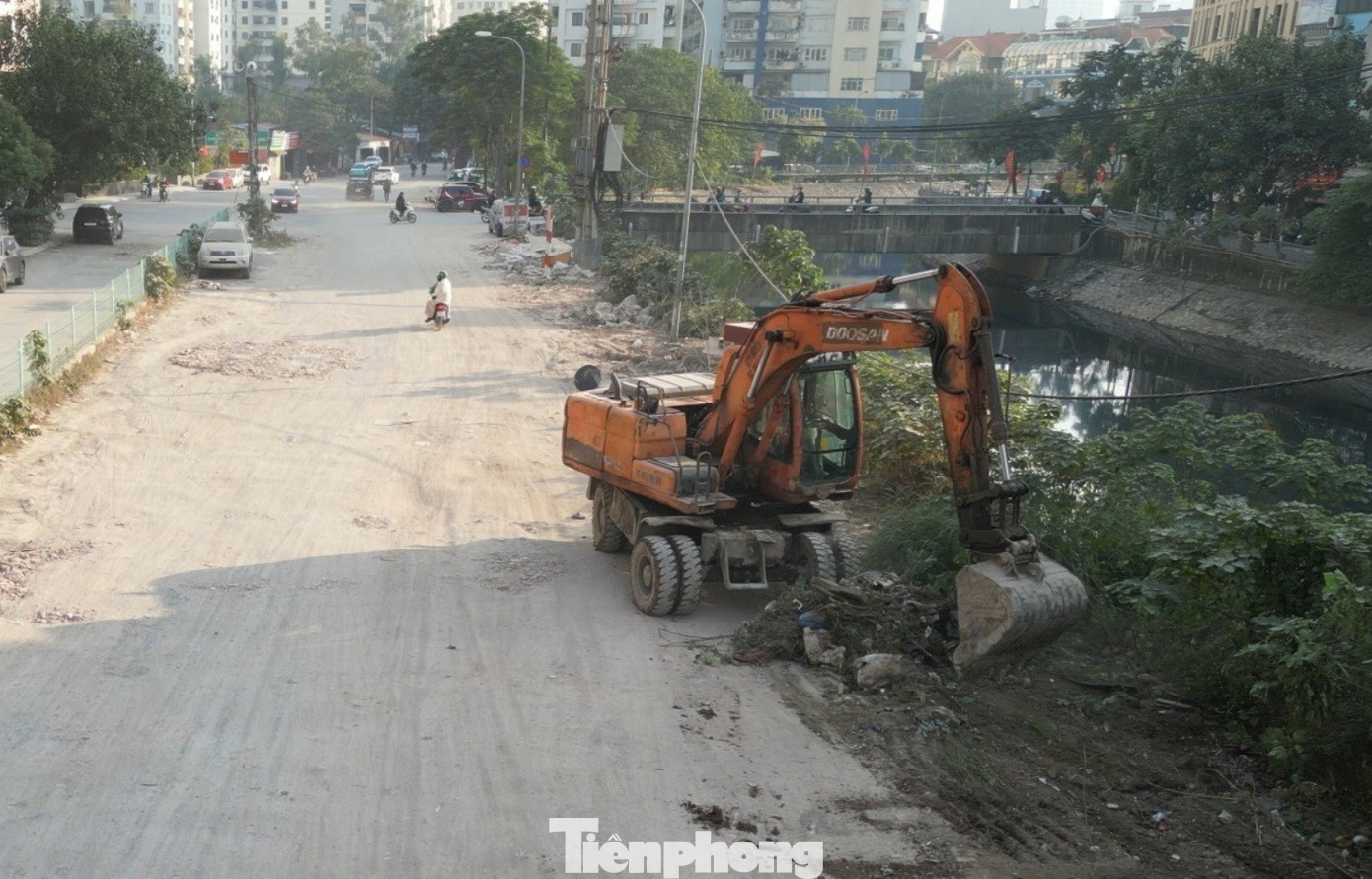
On November 29, machinery was deployed to Nguyen Canh Di, prioritizing road surface repairs as the initial phase of restoration.
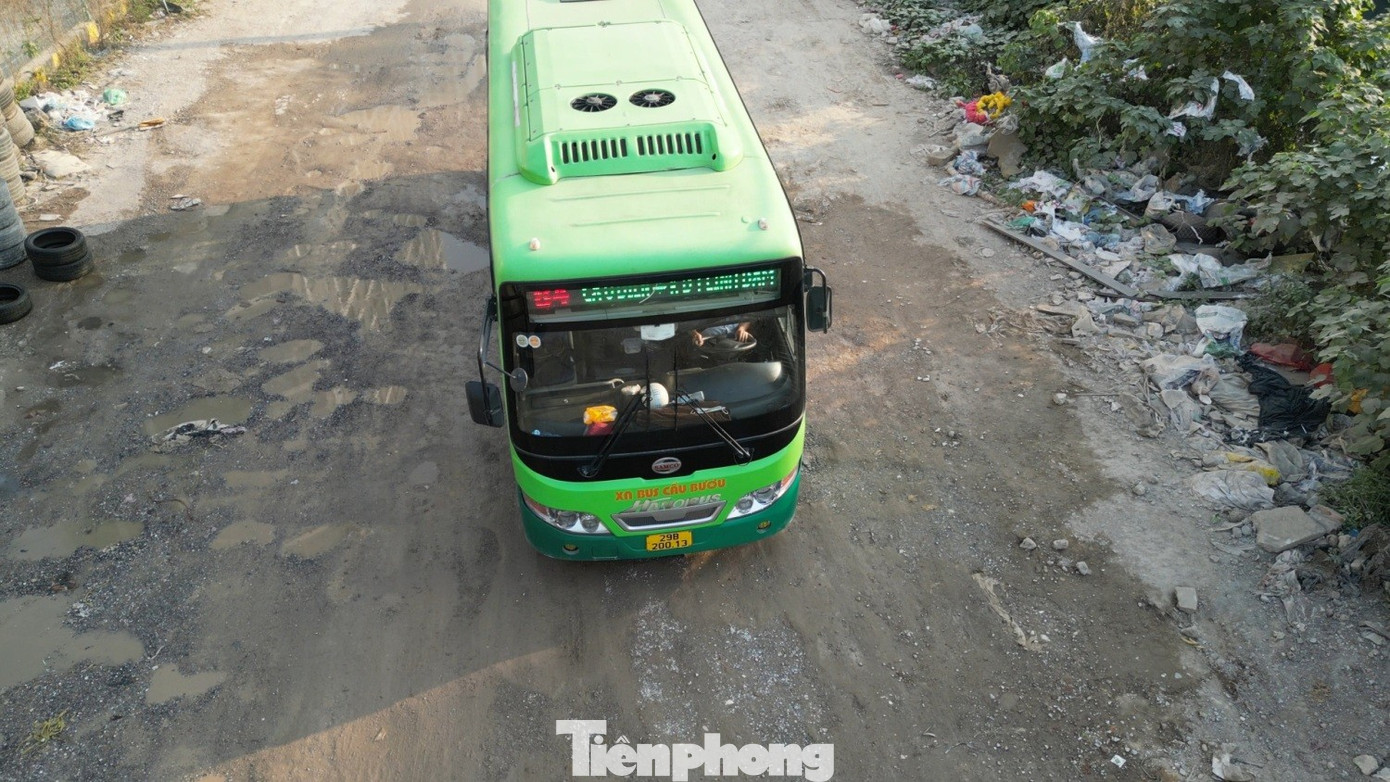
According to Hanoi’s Department of Construction, from November 2025 to April 30, 2026, traffic will be rerouted via designated signage. Repairs will focus on resurfacing and upgrading traffic infrastructure along Nguyen Canh Di.
What Has Become of Hanoi’s $3.6 Billion Road Squeezed Between Two Apartment Complexes?
The route connecting Lac Trung Street, weaving through two residential complexes to Alley 559 Kim Ngưu, is currently under accelerated construction, aiming to alleviate traffic congestion in the area.
Why Has the Võ Nguyên Giáp Parallel Road, Completed Nearly Two Years Ago, Only Now Officially Opened to Traffic?
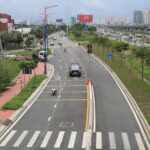
After nearly two years of meticulous development, the Võ Nguyên Giáp parallel road (spanning from Phước Long Port to Tây Hòa) officially opened to traffic on the morning of October 31st.
Ho Chi Minh City: Lien Phuong Road Opens, Easing Traffic Congestion at An Phu Intersection
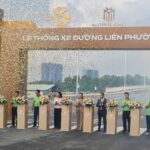
On November 8th, Masterise Homes, the project developer, celebrated the opening of Lien Phuong Road, a vital transportation artery in the eastern part of Ho Chi Minh City.
Exciting News for Residents Near Bình Quới Ferry in Ho Chi Minh City
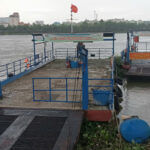
The Ho Chi Minh City People’s Committee has officially approved the reopening of the Bình Quới ferry route, connecting Bình Quới Ward and Thủ Đức Ward, after more than a year of suspension.
Upcoming Expansion: Nearly 10 KM of Ho Chi Minh City’s Western Gateway Set to Begin Construction
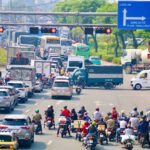
Ho Chi Minh City is investing over VND 16,000 billion to expand nearly 10 kilometers of National Highway 1, aiming to eliminate the traffic bottleneck at the city’s western gateway.