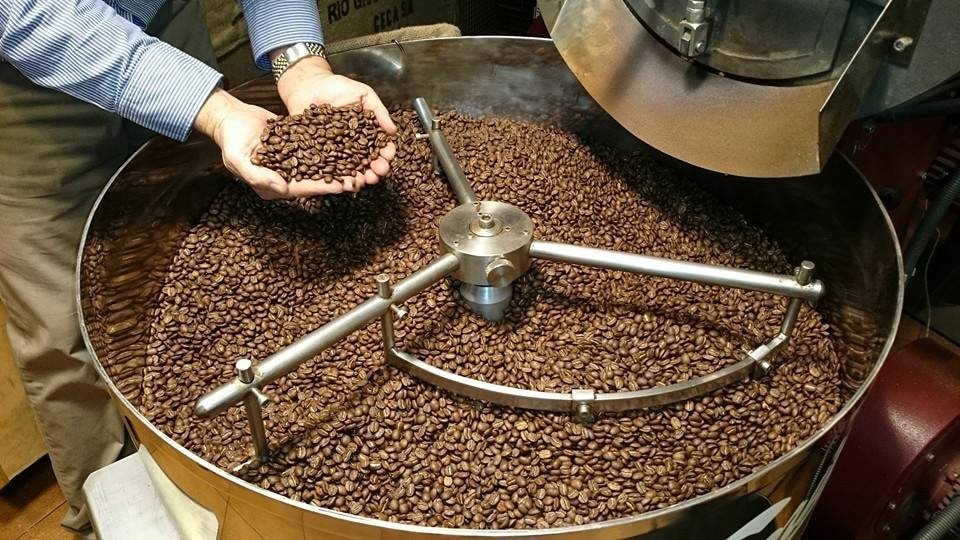
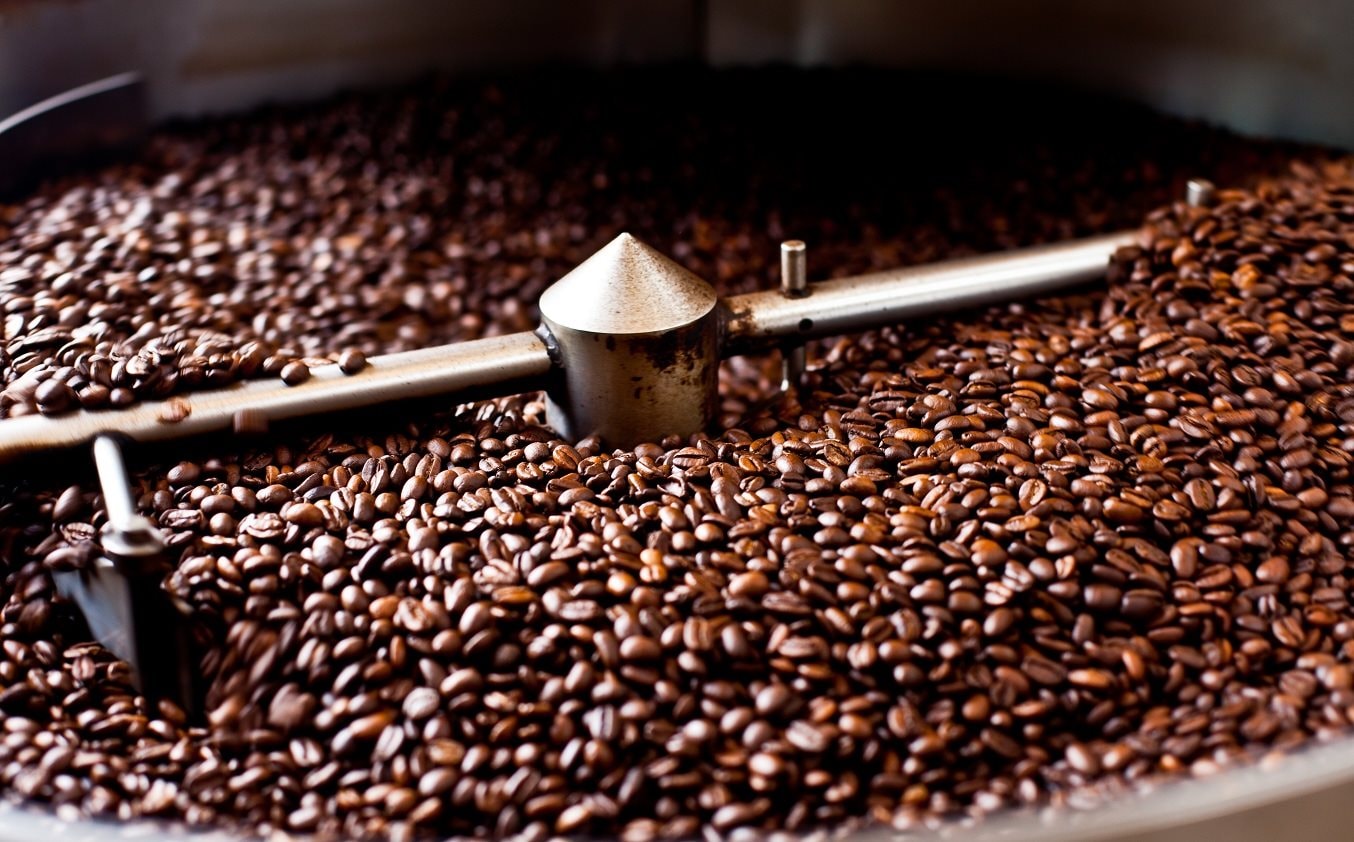
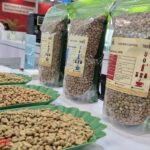
The coffee roasting process, a crucial step in delivering high-quality beans.
Amid growing inflation concerns in the United States, the Trump administration has taken decisive action to alleviate financial pressures on American households. Soaring prices of essential groceries, including meat, fruits, and coffee, have placed a significant burden on consumers. In response, the government has implemented tariff reductions on coffee and other key imports, aiming to lower consumer costs and improve access to affordable food supplies.
This strategic move directly targets retail prices, offering Americans relief from escalating expenses. By reducing tariffs, the administration seeks to stabilize the cost of living and ensure that essential goods remain within reach for all citizens.
The United States slashes tariffs on coffee imports.
According to The Washington Post, the average retail price of ground coffee has surged to over $9 per pound since September of last year. Judy Ganes, President of J Ganes Consulting, a U.S.-based food and agriculture firm, attributes this rise partly to tariffs. “Tariffs have significantly impacted the coffee industry, particularly given the high volume of beans imported from Brazil, which faced a 50% tax rate for several months,” she explained.
The U.S. also sources coffee from Vietnam, Colombia, and other countries. For exporters like Vietnam, the tariff reduction presents an unprecedented opportunity. As the world’s largest coffee consumer, the U.S. market’s demand for Robusta beans—essential for instant coffee and blends—continues to grow.
Even before the tariff changes, Vietnamese coffee had established a strong foothold in the U.S. market. In the first nine months of the year, Vietnam’s coffee exports to the U.S. surpassed $387 million, marking a remarkable 65% year-on-year value increase.
Despite being the third-largest supplier to the U.S., Vietnam’s market share has grown impressively, reaching 7.38% in the first seven months of the year. With reduced tariffs, this share is poised for further expansion. Vietnam’s total coffee exports to the U.S. in the first ten months contributed to a record-breaking $7.41 billion in global coffee exports, reflecting a 61% overall growth rate.
Beyond coffee, the Trump administration’s tariff cuts extend to other essential agricultural products, addressing broader inflation concerns. Beneficiaries include beef, tomatoes, bananas, frozen orange juice, tropical fruits, cocoa, spices, and fertilizers.
This comprehensive approach underscores the use of trade policy as a vital tool in combating inflation, offering hope to U.S. consumers and growth opportunities for global agricultural suppliers.
November 2025 PMI: Vietnam’s Manufacturing Sector Sustains Growth Despite Storm Disruptions
The S&P Global Vietnam Manufacturing Purchasing Managers’ Index (PMI) registered 53.8 in November, slightly down from October’s 54.5 but still signaling a robust improvement in manufacturing business conditions. This marks the fifth consecutive month of strengthening production conditions.
Today’s Coffee Prices (November 29): Another Uptick and New Directions for Vietnamese Coffee

Coffee prices continued their upward trajectory today, with both Robusta and Arabica beans experiencing gains, albeit modest ones.
iDepo VIB – Earn Up to 7% Annual Returns with Flexible Transfer Options

Interest rates for 12-month deposits in late 2025 are projected to range between 5.5% and 6.5% annually, surpassing the forecasted inflation rate of 3.8%. This creates a favorable profit margin. However, these rates are typically associated with medium to long-term savings periods, which may not suit customers seeking flexible liquidity. In this context, transferable accumulation products like VIB’s iDepo are emerging as an ideal solution, offering both profitability and flexibility.
Today’s Coffee Prices (Nov 28): Rebounding Upward as Malaysia Craves Vietnamese Coffee
Coffee prices rebounded today, with Robusta leading the charge while the New York Arabica market remained closed for the holiday.
Deputy Prime Minister Ho Duc Phoc: Aiming for a 3.3% CPI Increase by 2025
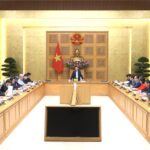
On the afternoon of November 21st, Deputy Prime Minister Hồ Đức Phớc chaired a meeting of the Price Management Steering Committee.