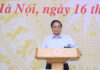
On the morning of December 2nd, the National Assembly continued its 10th session with a plenary discussion on the draft Resolution outlining breakthrough mechanisms and policies for public health protection, care, and enhancement. The session also addressed the investment strategy for the National Target Program on Healthcare, Population, and Development for the 2026-2035 period.
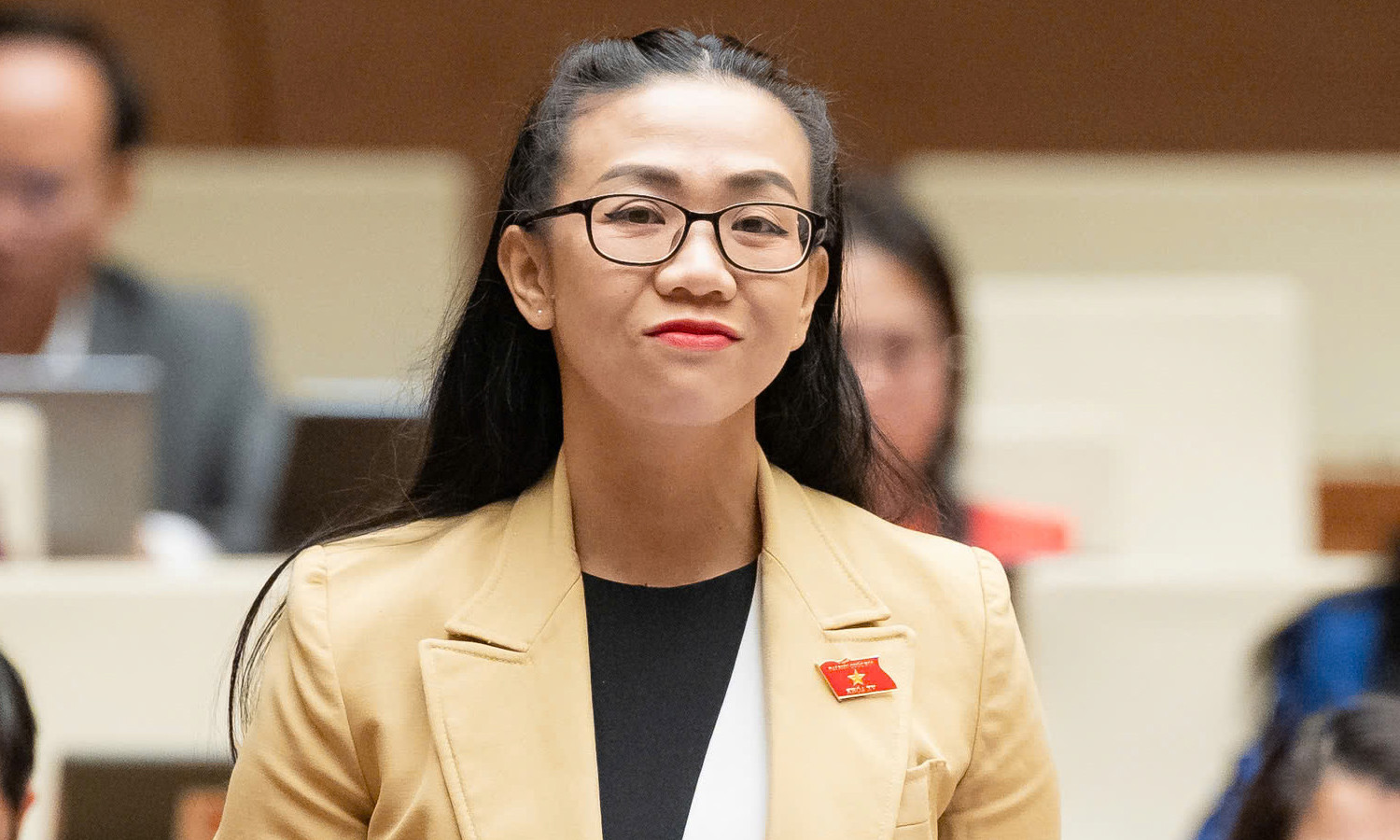
Delegate Trịnh Thị Tú Anh (Lâm Đồng Province Delegation).
During the discussion, Delegate Trịnh Thị Tú Anh (Lâm Đồng Province Delegation) highlighted voter concerns regarding the financial burden of medical treatment, which remains a significant barrier for patients.
“Many advanced medications, such as targeted therapies and immunotherapies, have demonstrated remarkable efficacy in treatment, prolonging life and improving quality of life. However, their high costs prevent many patients from accessing optimal care,” stated Ms. Tú Anh.
She noted that medication expenses account for the largest share of healthcare costs, currently at 33% (down from 40-50% in previous years). She urged timely updates to the list of covered medications, particularly for cancer treatments and new-generation immunomodulators, to reduce out-of-pocket expenses and ensure benefits for the 95.5 million individuals currently enrolled in health insurance.
Ms. Tú Anh emphasized prioritizing medications with strong clinical evidence and proven effectiveness, with the list updated flexibly to keep pace with international medical advancements. She also advocated linking list expansions to cost-effectiveness evaluations to ensure sustainable and rational reimbursement.
Additionally, the Lâm Đồng Province delegate proposed a special policy for waiving one year of health insurance premiums for voluntary enrollees in provinces severely affected by recent floods and storms, funded by the state budget.
“The government already provides free textbooks to students. Similarly, waiving health insurance premiums would enhance social welfare and improve public health,” she suggested.
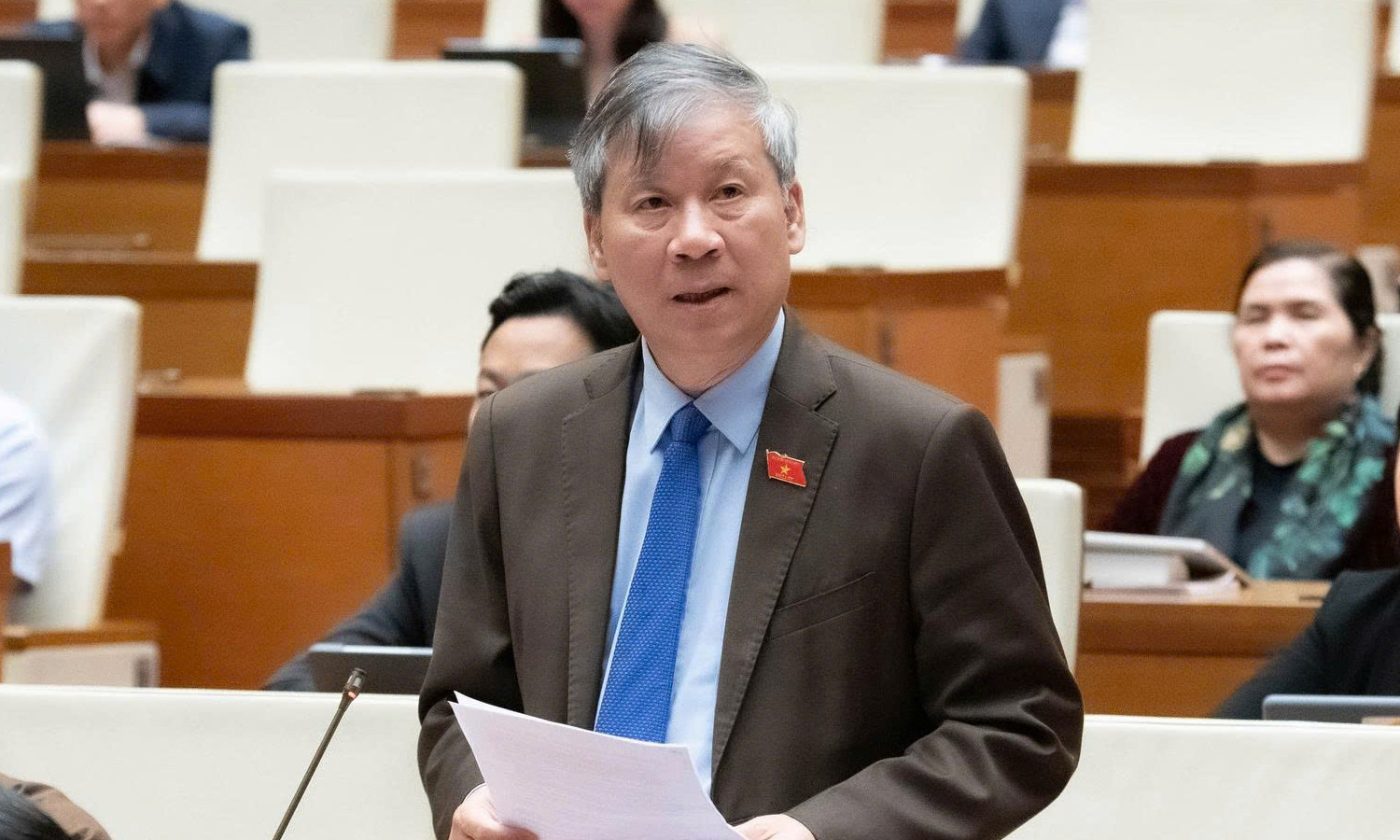
Delegate Nguyễn Anh Trí (Hà Nội Delegation).
Delegate Nguyễn Anh Trí (Hà Nội Delegation) argued that waiving hospital fees is crucial for achieving breakthroughs in healthcare accessibility.
While universal fee waivers are planned for 2030, Mr. Trí urged their immediate implementation, especially for patients with cancer, chronic, and hard-to-treat conditions.
“Patients undergoing dialysis and those on expensive cancer treatments face immense challenges. We should act now, not wait until 2030,” he urged.
He also stressed the need to enhance healthcare quality with effective medications, standardized diagnosis and treatment protocols, and convenience.
“This means enabling treatment at the nearest and most convenient facilities, implementing genuine referral systems, and removing caps on health insurance payments,” he advised.
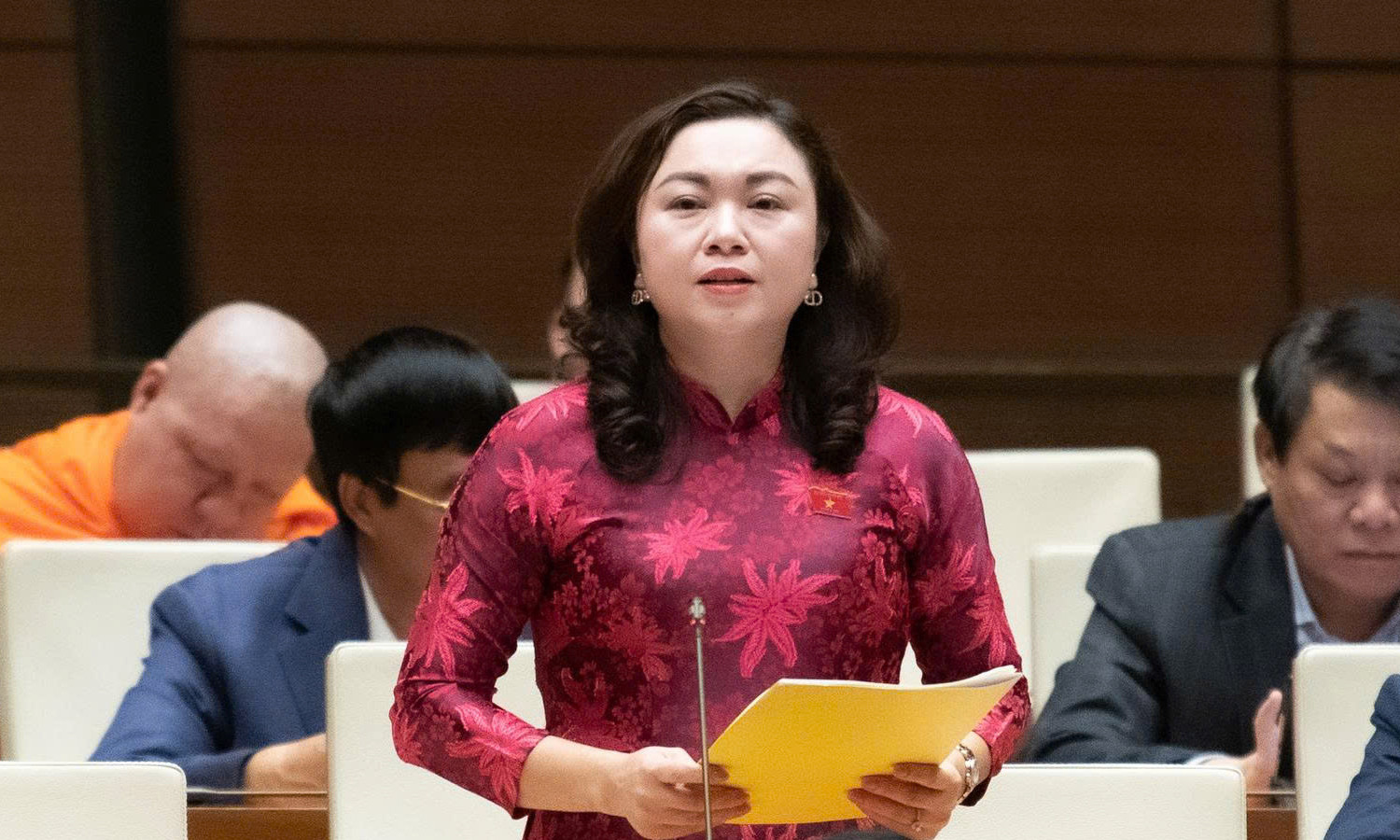
Delegate Đặng Bích Ngọc (Phú Thọ Province Delegation).
Delegate Đặng Bích Ngọc (Phú Thọ Province Delegation) praised the draft Resolution for expanding healthcare benefits and reducing medical costs for citizens.
Starting in 2026, individuals will receive free annual health check-ups or screenings based on priority groups and schedules.
She emphasized the urgency of this initiative and called for preparatory measures, prioritizing ethnic minorities in remote and disadvantaged areas, the poor, near-poor, and vulnerable populations to ensure equitable healthcare access nationwide.
Ms. Ngọc pointed out the uneven development of local healthcare networks, particularly in remote and ethnic minority regions with limited infrastructure, equipment, and digital health record systems.
She also highlighted the shortage of physicians and digital health professionals.
She recommended that the Government establish appropriate funding mechanisms and investment priorities for underserved areas, focusing on human resources and infrastructure.
She proposed that the Resolution aim to complete digital health records for all citizens by 2026, avoiding undue pressure on localities.
“Given the current limitations in IT infrastructure, especially in remote and ethnic minority areas, a longer timeline is necessary. Initial efforts should focus on regions with adequate resources,” added Ms. Ngọc.
Lawmaker Proposes Citizens Receive Compensation Difference When Land Acquisition Prices Fall Below Agreed Rates
Every member of the National Assembly unanimously supported the proposal that citizens should receive the difference if the land compensation price is lower than the agreed-upon value.
Unblocking Land-Related Bottlenecks: A Comprehensive Solution
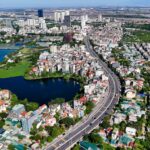
The National Assembly is considering the adoption of a resolution introducing new mechanisms and policies regarding land reclamation and land valuation. These measures aim to address existing challenges and meet the practical demands of the current situation.
Unlocking Land Law Implementation: National Assembly Deliberates Solutions to Overcome Challenges
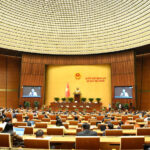
The draft resolution of the National Assembly, outlining mechanisms and policies to address challenges in the implementation of the Land Law, will be discussed by delegates during this week’s session.
Revised Title:
“Legislative Review: Proposed Amendments to Special Development Mechanisms for Ho Chi Minh City and Da Nang”
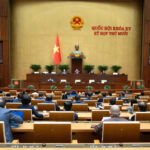
At the recently updated session agenda, the National Assembly will review and supplement resolutions on special mechanisms and policies for the development of Ho Chi Minh City and Da Nang City.
Vietnamese National Assembly Approves Amendments to Resolution 98 on Pilot Mechanisms and Special Policies for Ho Chi Minh City’s Development
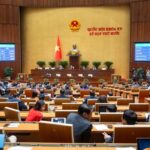
The National Assembly is set to review and amend Resolution 98, piloting special mechanisms and policies for Ho Chi Minh City’s development. Additionally, tailored policies will address challenges and bottlenecks related to projects, land issues, inspection conclusions, audits, and court rulings in Ho Chi Minh City, Da Nang City, and Khanh Hoa Province.