Illustrative image: Trí Thức
Skyrocketing Prices Despite Unchanged Quality and Infrastructure
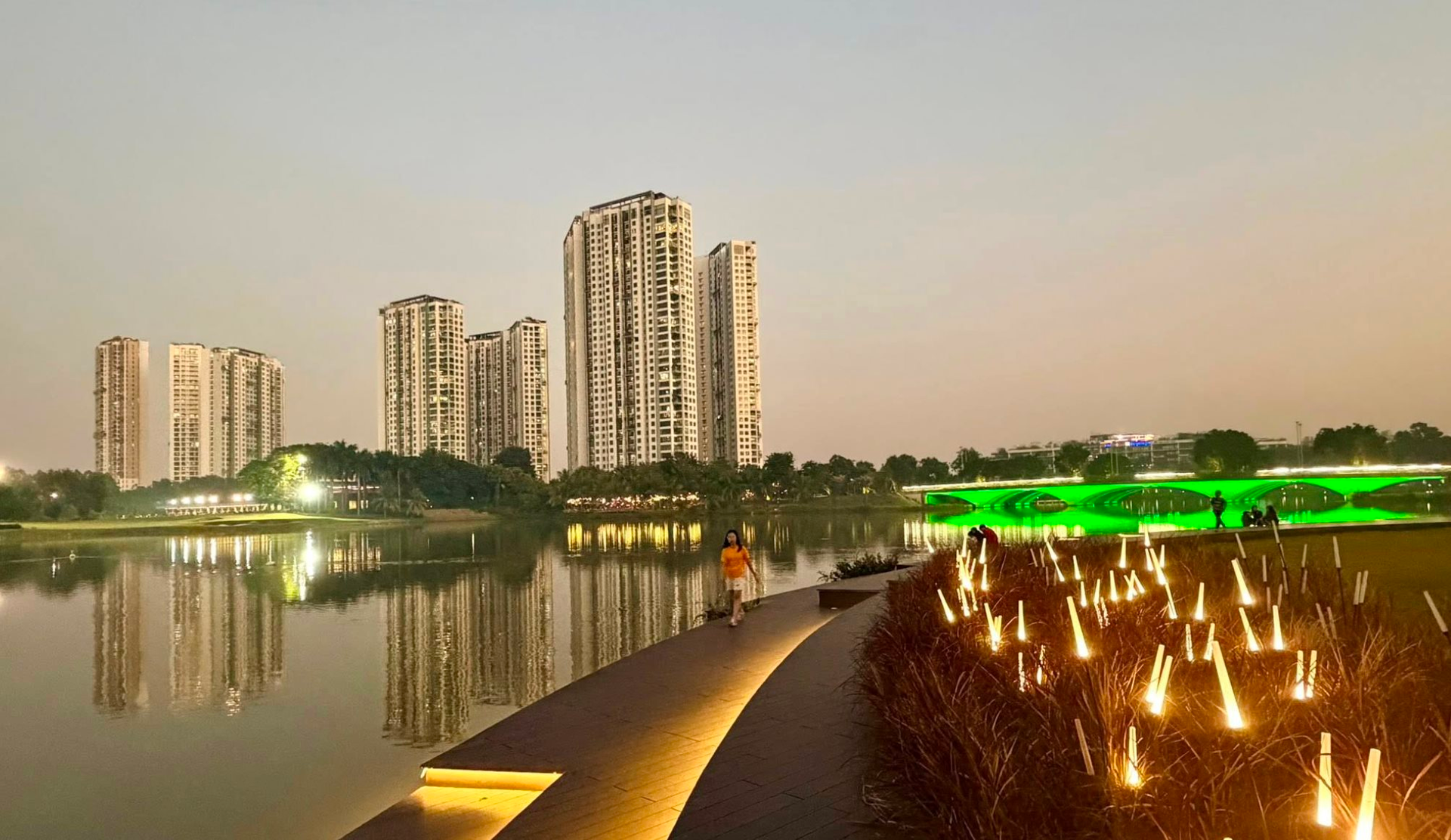
Apartment prices have continuously reached new highs, making it increasingly difficult for homebuyers to afford them.
According to the Vietnam Association of Realtors (VARS), in the primary market during Q3/2025, the average selling price of commercial apartments reached 78 million VND/m², with over 30% of new supply priced at 100 million VND/m² or higher.
In Hanoi, the average price stood at approximately 95 million VND/m², with over 43% of supply priced above 120 million VND/m². In Ho Chi Minh City, the average was around 91 million VND/m², slightly lower due to abundant supply from suburban areas. Many projects recorded price increases ranging from hundreds of millions to over 1 billion VND per unit, despite no significant changes in quality or infrastructure.
Surveys reveal that the price per square meter in many Hanoi projects is now comparable to, or even higher than, the price of gold. For instance, Lancaster Legacy averages 149 million VND/m², Heritage West Lake 140 million VND/m², Discovery Complex 115 million VND/m², and Vinhomes Global Gate 130 million VND/m². Projects like Sun Feliza Suites Cau Giay, Starlake Tay Ho Tay, and The Nelson Private Residences range from 130 to 180 million VND/m².
In Ho Chi Minh City, projects such as The 9 Stellars are listed at 76–92 million VND/m², Paris Hoang Kim at 88–95 million VND/m², Celesta Rise at 62–80 million VND/m², and Fiato Premier at 50–60 million VND/m². In the luxury segment, The Opusk Residence reaches 290 million VND/m², and The Metropole Thu Thiem hits 225 million VND/m².
Supply Failing to Meet Demand
VARS attributes the primary cause to the supply side. Although property supply has improved, the growth rate remains slow and insufficient to meet the escalating demand driven by urbanization and migration. Rising development costs, particularly land-use fees following the 2024 Land Law and Decree 103/2024/ND-CP, have significantly increased land prices—a major component of real estate development costs. This forces developers to raise selling prices to offset expenses.
Mr. Pham Duc Toan, CEO of EZ Property, notes that no new projects have been licensed for sale recently. Most current offerings are legacy projects from major developers.
Mr. Nguyen Van Dinh, Chairman of VARS, agrees that Hanoi’s apartment supply is severely limited. Fewer projects have been launched in recent years, while demand, especially from young families, remains high.
Additionally, Mr. Dinh highlights the market’s imbalanced product mix, driving up prices in both primary and secondary segments. This reduces affordability for genuine homebuyers.
According to Ms. Do Thu Hang, Senior Director of Consulting and Research at Savills Hanoi, apartment prices continue to peak, despite unchanged locations, quality, or intrinsic value in many primary and secondary projects.
Key factors driving prices include: (i) high housing demand in urban areas, expected to grow with ongoing urbanization; (ii) rising input costs, particularly land expenses; and (iii) increased investment in high-rise developments. Concerns about future housing accessibility are shifting focus back to the secondary market, inflating prices of initially affordable units.
Addressing Supply-Demand Imbalances at the Root
Ms. Giang Huynh, Director of Research & S22M at Savills HCMC, argues that soaring prices stem primarily from supply shortages, legal hurdles, and rising land and development costs—not speculation. Developers focus on mid-to-high-end segments to maximize profits, exacerbating supply-demand mismatches.
Instead of tightening credit, policies should target root causes through two key strategies:
First, streamline supply by reforming project approval processes, accelerating implementation, and resolving stalled projects through special mechanisms. A more diverse and ample supply, especially in affordable segments, will stabilize prices.
Second, boost demand by fostering economic growth and improving incomes, particularly for middle- and low-income groups. Income growth should match or exceed housing price increases to enhance affordability. Simultaneously, expand social housing and preferential credit for vulnerable groups.
These synchronized policies will address market imbalances and promote sustainable development.
Long Bien Golf Villas: A Declaration of Prestige and Elite Status

The Hanoi real estate market is experiencing a surge in investment, fueled by a $14.7 billion (338 trillion VND) development plan along the Red River. Amidst this growth, Him Lam Group’s ultra-luxury golf villa project has emerged as a coveted destination for discerning elite homeowners.
2026: The Explosive Growth Era for Real Estate Businesses
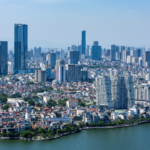
NSI Securities forecasts a robust recovery in new supply for the 2025–2026 period, driven by administrative consolidations and advancements in inter-regional transportation infrastructure.
Skyrocketing Prices: Hanoi’s Social Housing Units Surge to 90 Million VND/m², a Fivefold Increase
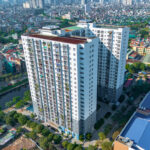
Social housing projects, once a beacon of affordability, are now commanding staggering prices on the secondary market. Just a few years after launch, units are being listed at 80-90 million VND/m², a 4-5 fold increase from their initial prices. This surge brings them on par with high-end condominiums, effectively pricing out the very low-income earners they were intended to serve.
Is Bầu Đức Pivoting to a New Flagship Product? From Selling Houses to Growing Rubber, and Sleepless Nights Over Pigs Eating Bananas

HAGL has officially reinvented itself as a pure agricultural enterprise, shedding its underperforming real estate and agricultural projects to eliminate bad debt. The company now focuses on four core agricultural pillars: bananas, durian, silk cocoons, and Arabica coffee.
Stunning Home Prices: Projects Surge by 100 Million to 500 Million VND/m² in Just a Few Years

HUBA Vice President Phan Đình Tuệ highlights the staggering surge in housing prices, noting that many condominium projects once priced at 100 million VND per square meter now command up to 500 million VND per square meter.