Illustrative image
Plummeting rice prices are driving Thai farmers to seek opportunities in Japan, where retail rice prices have surged and demand for Asian rice varieties is growing. Some Thai rice growers have even begun experimenting with high-quality Japanese rice strains like koshihikari to cater to specific consumer preferences.
Japan faced a rice shortage in 1993 after an unusually cold summer, forcing the country to import rice from Thailand. Although Thai rice did not initially suit Japanese palates, the rising popularity of Southeast Asian cuisine in recent years has created steady demand in restaurants. The perception of Thai rice as “soft and sweet” is becoming more familiar to Japanese consumers, according to Thunyawan Pattapol, CEO of rice exporter Wonnapob.
Wonnapob, which exports Jasmine rice to multiple markets, reported that its rice exports to Japan from January to October 2025 reached 1,500 tons, six times higher than the entire year of 2024. The company plans to start selling packaged rice directly in January.
In Japan, the average retail price of rice during the week of November 3–9 was 4,316 yen for 5 kg (approximately $27.70), the highest since March 2022. The Japanese Ministry of Agriculture forecasts a 5% decline in main rice production for the 2026 season, suggesting prices will remain high in the near term.
Meanwhile, Thai rice prices are in a prolonged downturn. The Thai Rice Exporters Association recorded October’s export price for standard white rice at just $356 per ton, a 31% drop year-over-year and the lowest since 2007. The primary cause is India’s policy shift: after banning exports of certain white rice types in July 2023 to secure domestic supply, India lifted the restriction in September 2024, driving down global prices.
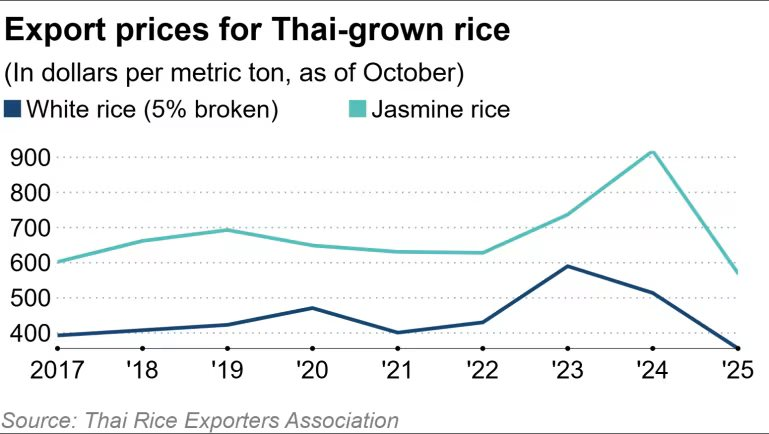
Thailand’s rice export prices have seen a sharp decline. Source: Nikkei
Agriculture contributes less than 10% to Thailand’s GDP but significantly impacts rural livelihoods and regional food security. Expanding market access, particularly to premium markets like Japan, has become a priority for Bangkok.
However, the outlook is not entirely favorable. While Jasmine rice exports are growing, Thailand’s total rice exports to Japan from January to September fell 15% year-over-year to approximately 180,000 tons. Jasmine rice currently accounts for only 3% of Japan’s rice imports.
Kitoku Shinryo, a representative of a major rice wholesaler in Japan, noted, “Jasmine rice differs significantly from Japanese rice in aroma, texture, and shape. Its substitution potential in middle-class households remains limited.”
Additionally, the U.S.–Japan trade agreement poses new pressure. Under the agreement announced in late July, Japan will immediately increase U.S. rice imports by 75% under the minimum access quota. In fiscal year 2024, U.S. rice accounted for about 350,000 tons of the 770,000 tons imported under this mechanism; this figure is expected to rise to around 600,000 tons, forcing Japan to reduce imports from other sources, including Thailand.
“Thailand’s minimum access volume will drop sharply, from around 300,000 tons annually to 70,000–80,000 tons,” warned Chookiat Ophaswongse, Honorary Chairman of the Thai Rice Exporters Association.
Most rice imported under the minimum access mechanism is currently used for processing and animal feed. However, the U.S.’s increased presence is fueling discussions about expanding the quota for rice used as a staple food, which could further impact Thailand’s market share in the future.
Despite these challenges, Thai exporters remain optimistic that Japan—with its high price levels and diverse culinary demand—will continue to be a promising market, especially for fragrant and high-quality rice products.
Source: Nikkei Asia
Cambodia’s Rice Crisis: Prices Plummet 28%, Imports Surge, Local Farmers Left Struggling
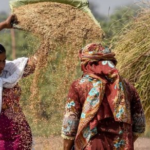
Affordable rice, smuggled into the country in vast quantities, is flooding the market and forcing domestic businesses to slash prices to remain competitive.
Russian Ambassador to Vietnam Highlights Bilateral Relations, Praises Vietnamese Projects Bolstering Russia’s Food Security
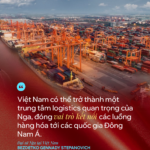
The recent awarding of the prestigious Order of Friendship by Russian President Vladimir Putin to Thai Huong, a renowned Vietnamese entrepreneur and Labor Hero, marks a significant milestone in the burgeoning relationship between Vietnam and Russia. This honor is just one highlight in a year brimming with notable events fostering stronger ties between the two nations.
What’s Unfolding in the World’s 4th Largest Economy: Sky-High Import Taxes on Rice, Yet Imported Prices Undercut Local Goods, Leaving Consumers Paying a Premium
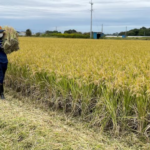
This nation has consistently raised import tariffs on rice, a strategic move that reflects its commitment to protecting domestic agriculture and ensuring food security. By implementing these measures, the country aims to bolster local rice production, reduce dependency on foreign supplies, and safeguard the livelihoods of its farmers. This policy underscores a broader effort to achieve self-sufficiency in a staple crop that is central to both its economy and cultural identity.
Which Rice Varieties Dominate the 90% Import-Dependent Rice Market?
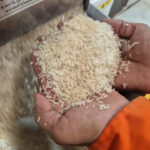
Premium white rice, aromatic milled rice, and glutinous rice emerge as prime commodities poised to drive export growth into Singapore.
Vietnamese Rice Prices Hit Two-Month Low
This week, Vietnamese rice prices plummeted to their lowest point in over two months, driven by lackluster demand and subpar quality of the newly harvested crop.