




















Amidst the intensifying electric vehicle race across Asian markets, Japan continues to demonstrate its commitment to this trend, albeit at a more measured pace compared to other nations. Japanese automotive giants, known for their pragmatism, are steadily embracing this shift, with Yamaha emerging as a prime example. Recently, Yamaha unveiled the JOG Electric, a compact urban electric scooter designed for maximum convenience and practicality.
Rather than pursuing high-performance specs or flashy designs, Yamaha focuses on what urban commuters truly need: simplicity, reliability, and ease of use. This approach aligns with the brand’s reputation for prioritizing functionality over flamboyance.
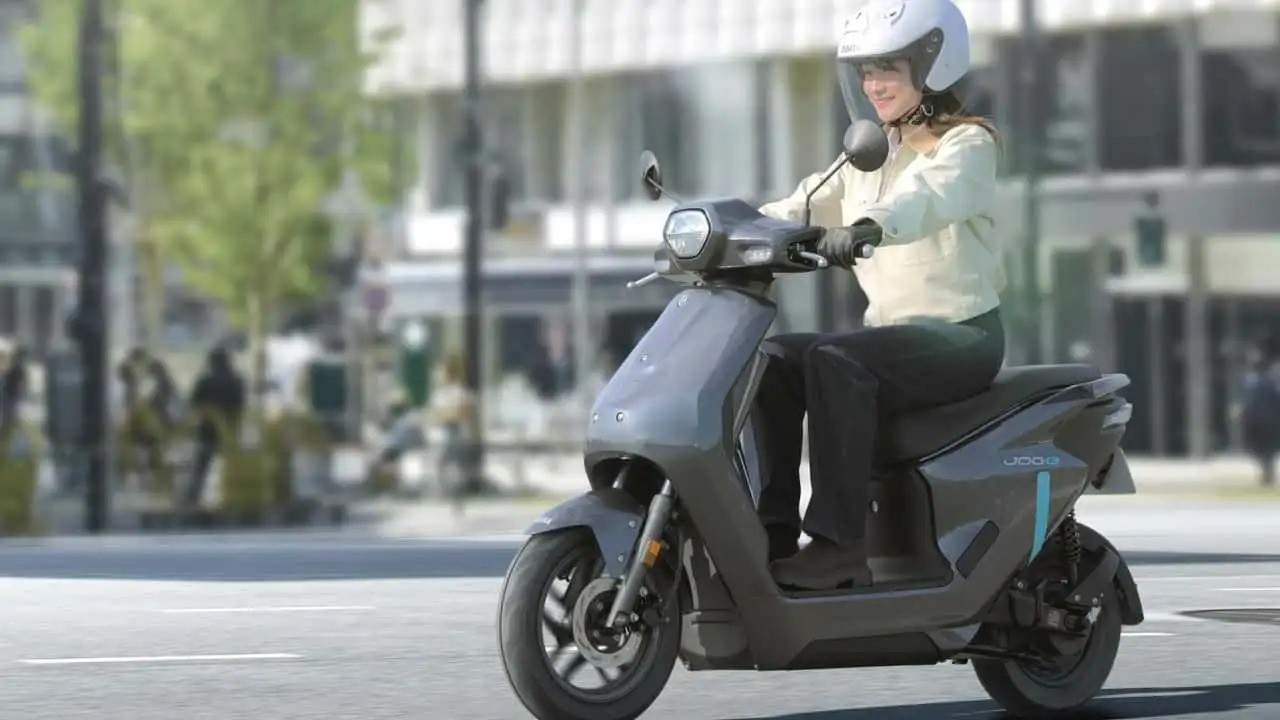
Industry experts argue that models like the JOG Electric are pivotal in the transition to green transportation. While concept vehicles and high-end electric motorcycles capture attention, they rarely become everyday staples. It’s the lightweight, accessible scooters that shape urban mobility, habits, and city rhythms. These vehicles offer affordability, ease of operation, and contribute to reducing traffic congestion, making them essential for mass adoption.
Yamaha’s focus on a straightforward model like the JOG Electric underscores its significance beyond its modest appearance. By addressing practical urban needs, Yamaha positions itself as a key player in sustainable transportation.
At the heart of the JOG Electric is a 1.7 kW motor, delivering approximately 2.2 horsepower, optimized for urban environments. While this may seem underwhelming, it’s perfectly suited for city commuting, where smooth acceleration, low-speed stability, and maneuverability in crowded spaces are paramount. Yamaha emphasizes that the JOG Electric is designed for seamless navigation, not adrenaline-pumping speed.
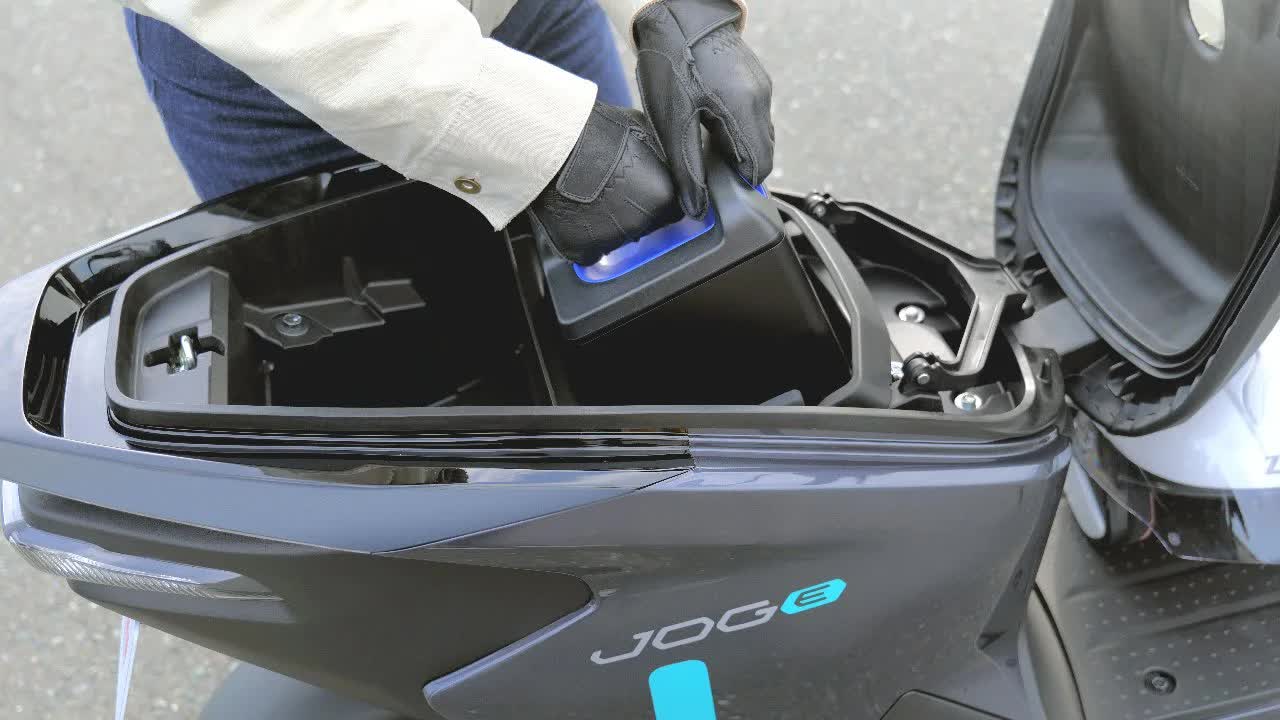
A standout feature is its swappable battery system. With a range of approximately 53 km per charge, the JOG Electric caters to short urban trips, eliminating the need for lengthy charging stops. Yamaha’s partnership with Gachaco’s battery-swapping network in Japan further enhances convenience, allowing riders to exchange depleted batteries at stations without owning a charger.
This model’s lightweight design—just 90 kg with the battery—ensures agility, particularly for novice riders or those with smaller builds. Its 12-inch front and 10-inch rear wheels provide stability, while the combined braking system enhances safety in unpredictable urban traffic.
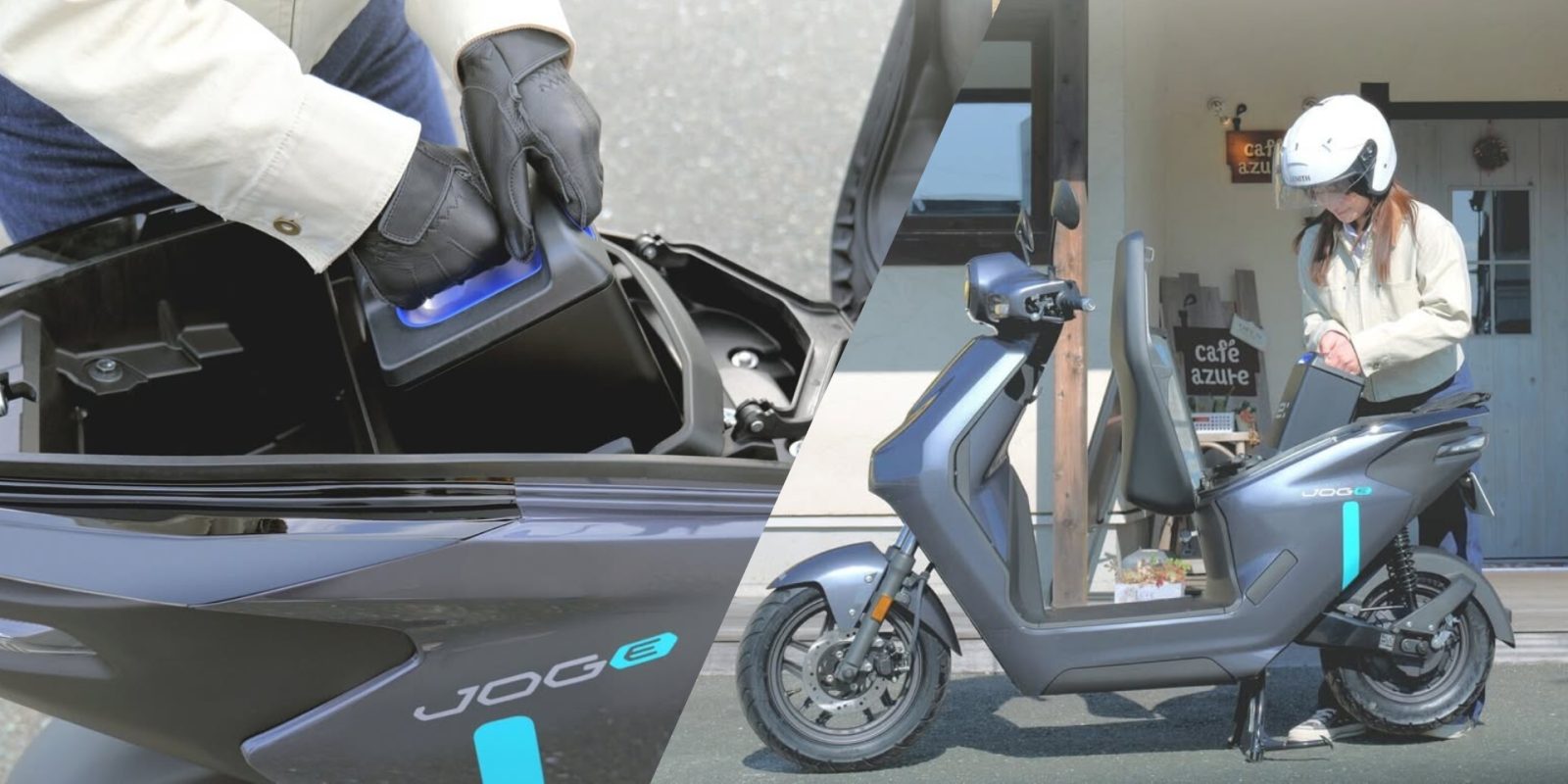
Yamaha also prioritizes user experience with full LED lighting, a clear LCD display, and practical storage solutions. Dual front compartments, including a USB charging port and space for a 500 ml bottle, cater to daily needs. The under-seat storage and front hook further enhance utility.
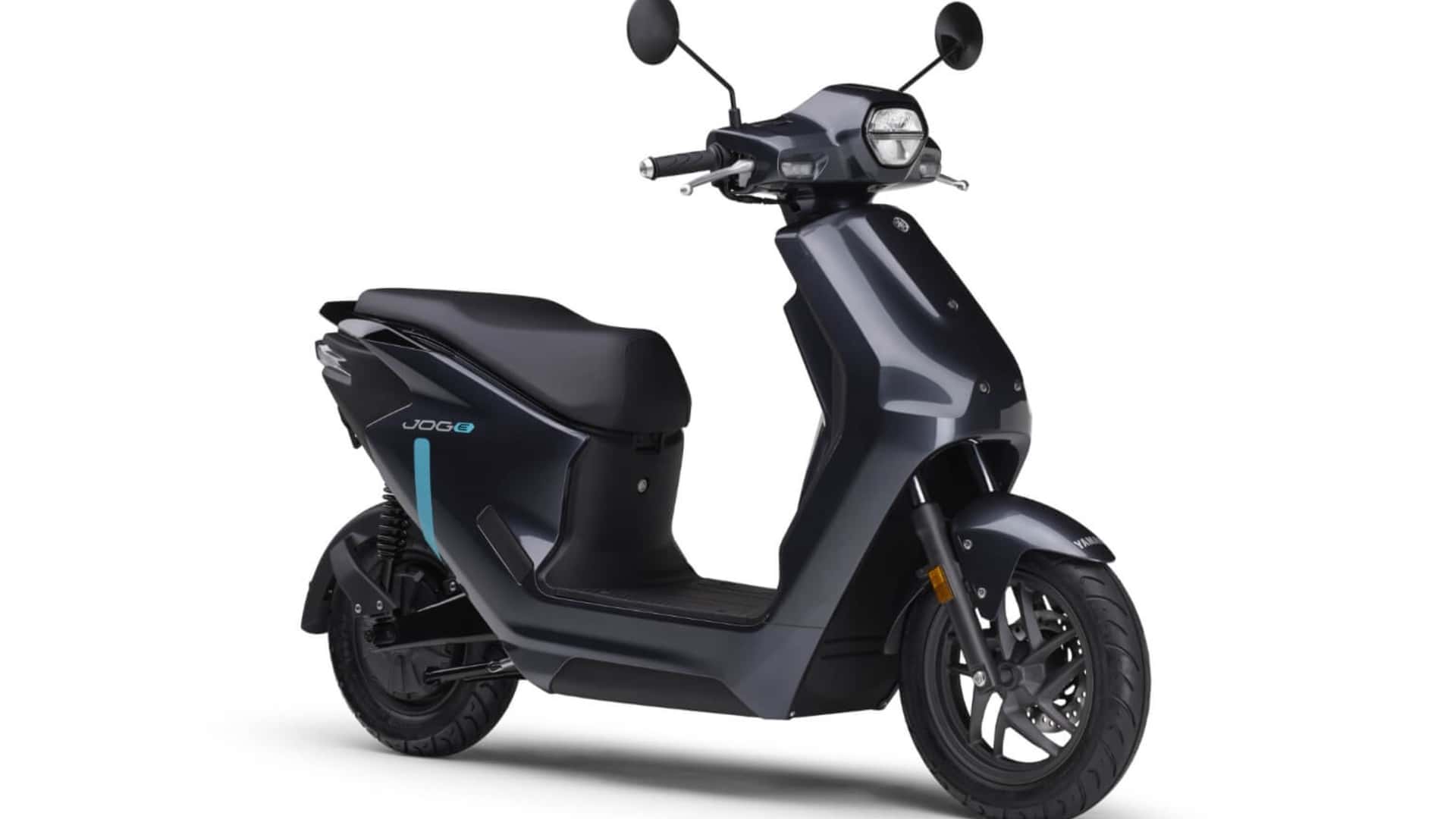
Aesthetically, the JOG Electric embraces minimalism with two color options: Dignified Gray Metallic and Concrete Gray. Its understated design ensures long-term appeal, prioritizing functionality over fleeting trends.
Yamaha’s JOG Electric exemplifies Japan’s approach to electric mobility: practical, user-centric, and sustainable. By focusing on everyday usability, Yamaha bridges the gap between innovation and accessibility, proving that true revolution lies in simplicity and reliability.
Modernizing Railways: Why Vietnam Opts for Cost-Effective Technology Over the Most Expensive Solutions
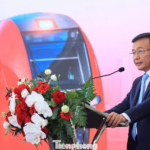
The Minister of Construction emphasized that, in the current context, Vietnam is not seeking the most expensive technology but rather the most suitable one. This means prioritizing advanced, safe, and efficient technologies with transferable capabilities, enabling domestic enterprises to gradually take control and master these innovations.
Indonesian Expert: ‘Vingroup Exemplifies a Regional-Scale Transformation’

Dr. Yannes Martinus Pasaribu, a technology and public policy expert at Indonesia’s Bandung Institute of Technology (ITB), was profoundly inspired by his recent visit to Vietnam. Witnessing the nation’s ambitious green transition efforts, he singled out Vingroup as a regional beacon of innovation. The Vietnamese conglomerate, he noted, exemplifies the transformative spirit driving Southeast Asia’s sustainable future.
Infographic: Vietnam’s Growing Charging Infrastructure Empowers Confident Electric Vehicle Adoption

In certain regions, locating a charging station has become as straightforward as finding a gas station.
Da Nang Plans 16 Urban Rail Lines Spanning 204 Kilometers

Da Nang has identified the development of an urban railway system as a strategic breakthrough, aiming to transform into a smart, green, and interconnected city within the Central region of Vietnam.
Da Nang Plans 16 Urban Rail Lines Spanning 204 Kilometers

Da Nang has identified the development of an urban railway system as a strategic breakthrough, aiming to create a smart, green, and interconnected city within the Central region of Vietnam.