


















In recent years, apartment prices near metro stations in Hanoi and Ho Chi Minh City have consistently risen. Leading global real estate consultancies—Savills, CBRE, and Knight Frank—have released detailed reports in 2024-2025, confirming that properties near metro stations are priced 15-30% higher than those farther away. This disparity raises the question: Are homes near metro stations truly worth the premium?
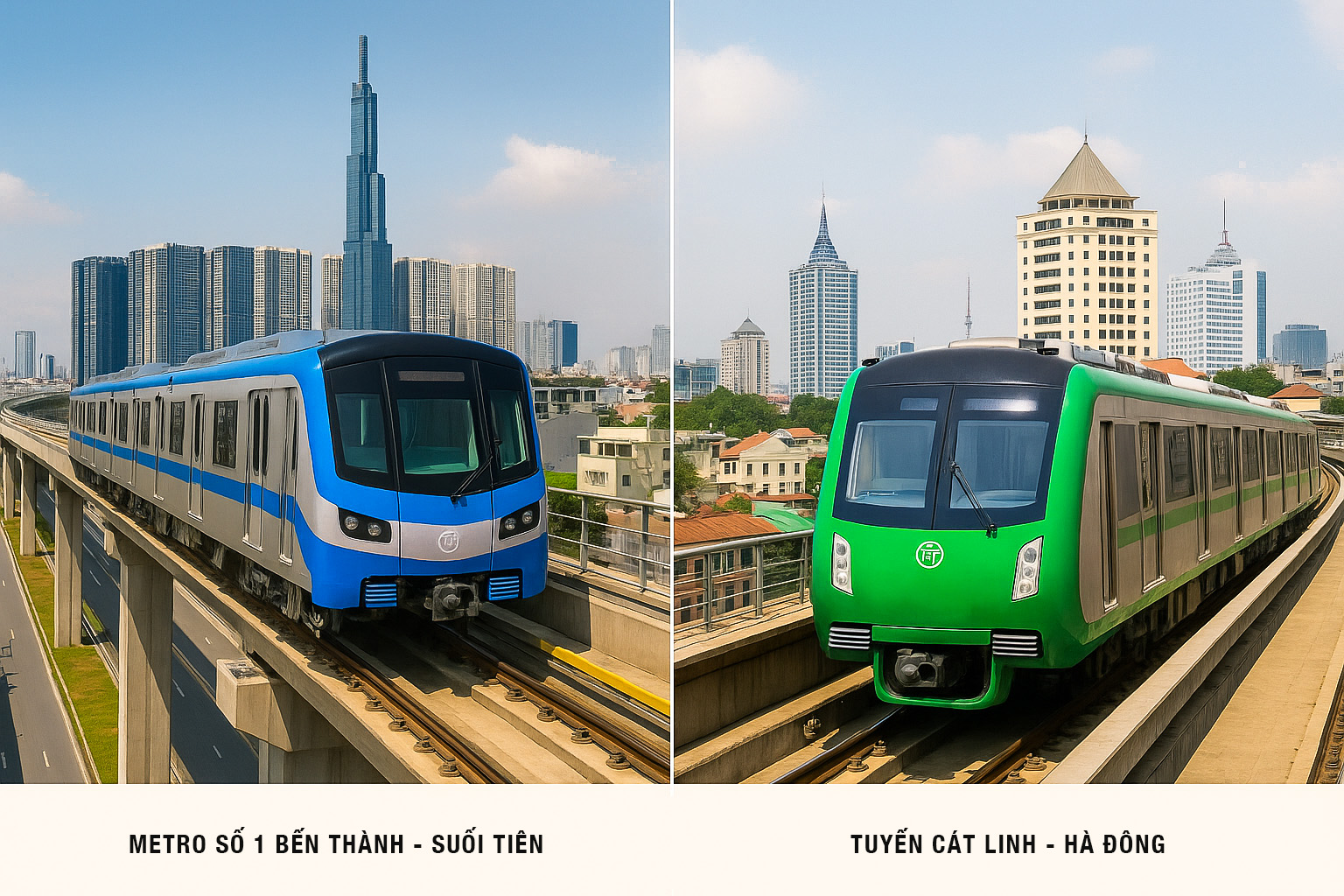
To address this, the article analyzes data from two operational metro lines: Line 1 Ben Thanh – Suoi Tien (approximately 20km, 29–32 minutes in HCMC) and Cat Linh – Ha Dong (13km, 23 minutes in Hanoi). Assuming a commuter travels 5 days a week, 48 weeks a year (240 days), using the metro twice daily for 50 years, we compare this to commuting by motorcycle or car during peak hours.
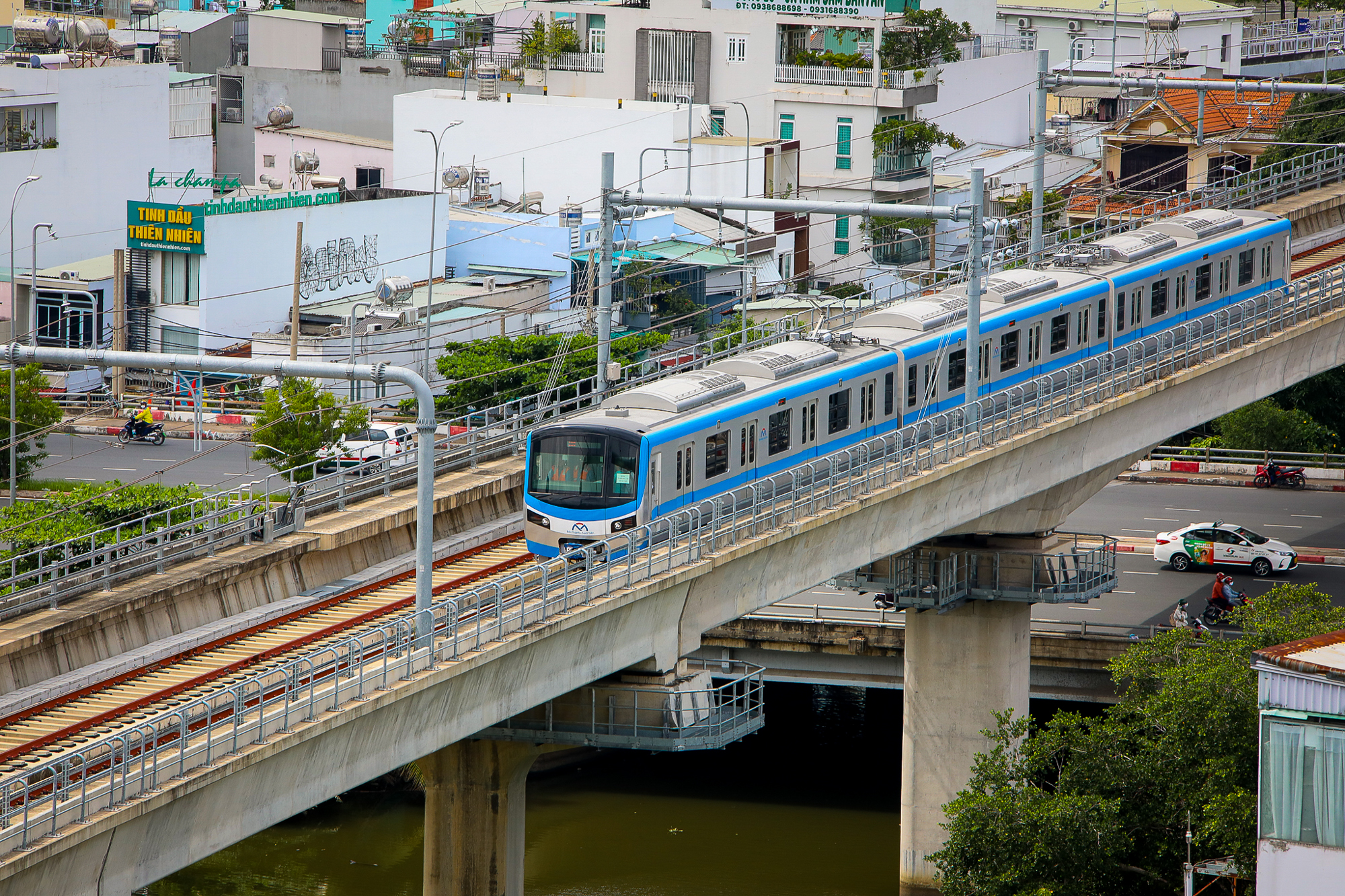
Line 1 operates with a total travel time of 30–32 minutes, stopping 1–2 minutes per station, with a frequency of 6–8 minutes per train. By running independently of ground traffic, the line connecting Suoi Tien – Thu Duc to Ben Thanh remains largely unaffected by congestion.

In contrast, the same journey by motorcycle or car during peak hours via Vo Nguyen Giap, Mai Chi Tho, Thu Thiem Tunnel, and Le Loi Street typically takes 60–75 minutes, and up to 90 minutes on rainy days. Some reports note instances where vehicles took 2 hours to travel 12km, averaging speeds below 10 km/h.

Using a conservative scenario: 70 minutes per trip by road versus 30 minutes by metro, a difference of 40 minutes. Daily, with two round trips, commuters save approximately 80 minutes, or 1.33 hours. Over 240 days annually, metro users save around 320 hours per year.
Over 50 years, the total time saved reaches 16,000 hours. Converted to 24 hours per day, 365 days per year, this equates to approximately 1.8 years of continuous living without being stuck in traffic. This time is free from congestion-related stress and fatigue.
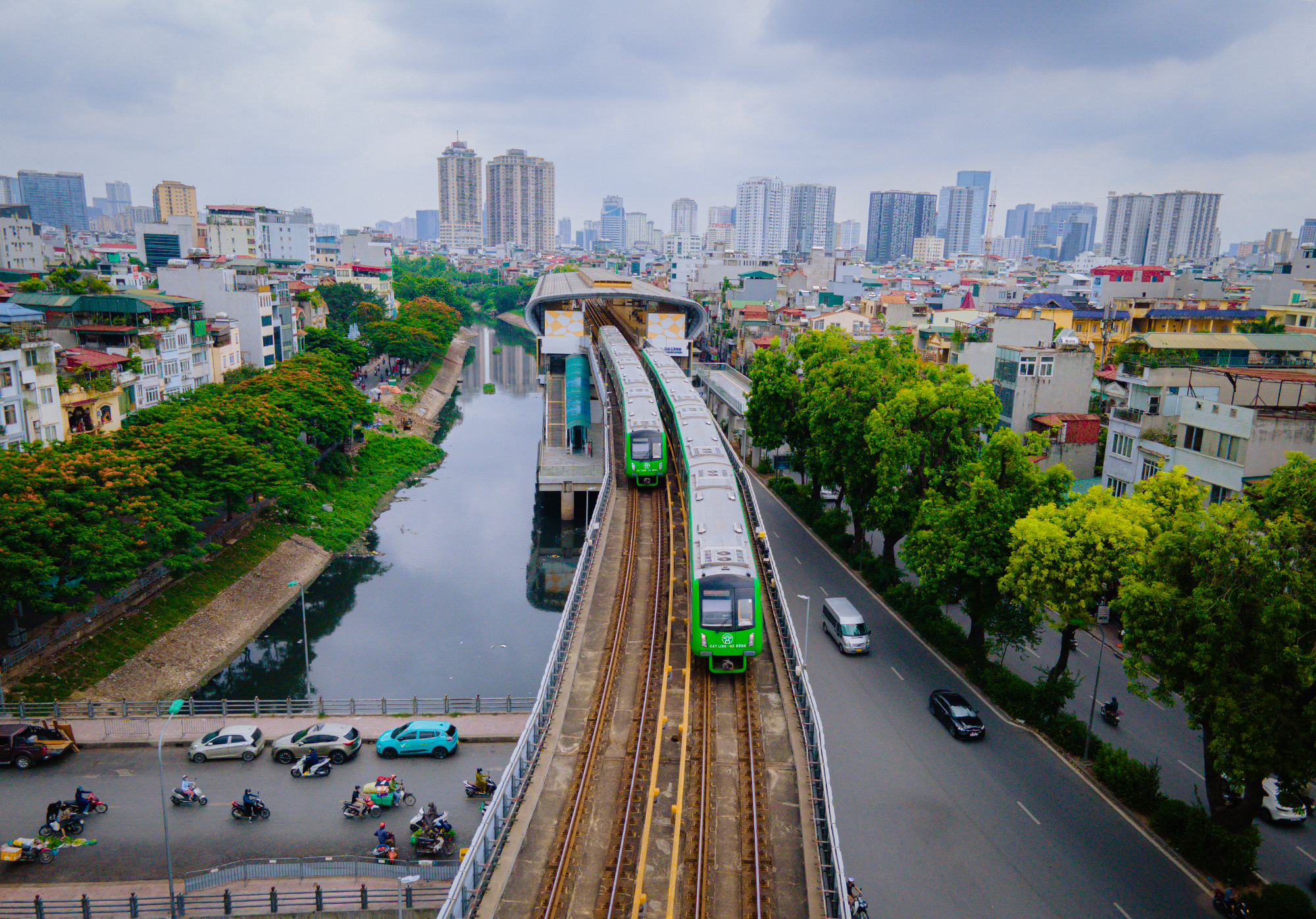
In Hanoi, the Cat Linh – Ha Dong line spans 13km with 12 stations, operating smoothly in approximately 23 minutes. With a frequency of 6–10 minutes per train, residents of Ha Dong find it more convenient to travel to the city center compared to using personal vehicles.
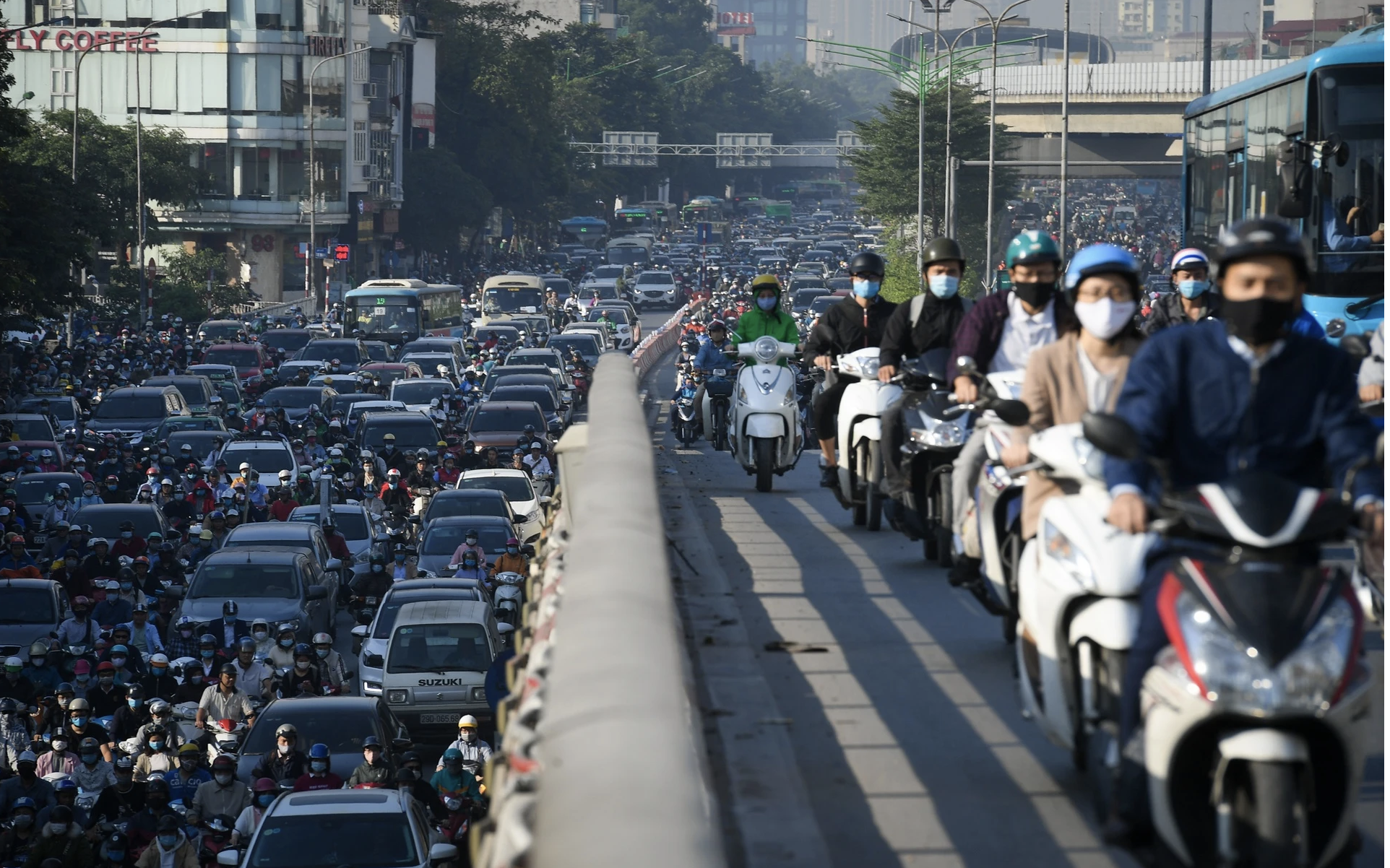
Before the metro, the Ha Dong – city center route via Nguyen Trai was notorious for congestion, especially around Khuất Duy Tiến – Nguyen Trai and Ngã Tư Sở. For a 13km journey, peak-hour speeds averaged around 15 km/h, taking approximately 50 minutes per trip. Compared to the metro’s 23 minutes, each trip saves 25–30 minutes.
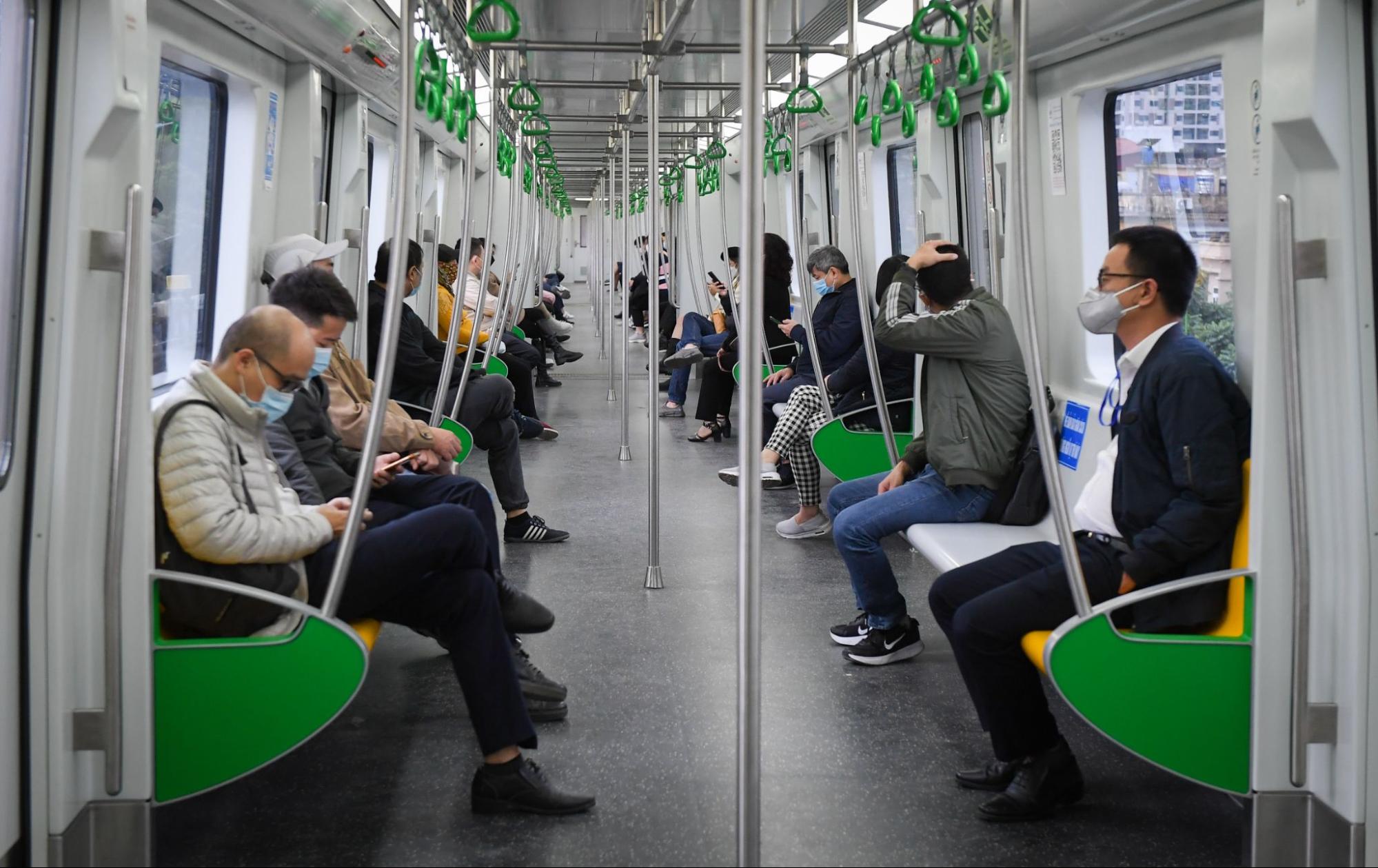
A 30-minute difference per trip saves commuters about 60 minutes daily, or 1 hour. Over 240 working days annually, this amounts to 240 hours saved per year. In 50 years, the total is 12,000 hours, equivalent to approximately 1.37 years. This means residents near Ha Dong station, using the metro regularly, can reclaim nearly a year and a half of their lives otherwise spent in Nguyen Trai traffic.

For a typical 60m² two-bedroom apartment near a metro station, priced 20% higher than a similar unit farther away (approximately 800 million to 1 billion VND), this premium is justified for high-income earners. It translates to saving about 1.5 years of their lives otherwise spent on the road.

This calculation only considers 240 working days annually, excluding other trips or traffic risks. Nonetheless, the data shows that homes near metro stations command a higher price not just due to infrastructure but because buyers are investing in additional time for themselves.
What’s the Current Status of Ho Chi Minh City’s $150 Million Intersection After Repeated Delays?

After numerous delays and repeated warnings, the An Phú intersection construction site has finally sprung back to life. The once-sluggish project is now buzzing with activity as work on the overpass and underpass accelerates, with both structures beginning to take shape.
Unveiling the Full Scope of Land Clearance for Hanoi’s ‘Most Expensive Road’ Project
The districts of Ô Chợ Dừa, Láng, and Giảng Võ in Hanoi are entering a critical phase of land clearance for the Hoàng Cầu – Voi Phục project, with efforts underway to engage nearly 2,000 households in land handover before December 15th.
Approved: Investor’s Proposal for Đồng Nai 2 Bridge Project Connecting Ho Chi Minh City

The People’s Committee of Dong Nai Province has officially approved an investor’s proposal for the Long Hung Bridge (Dong Nai 2 Bridge) construction project, to be implemented through a Public-Private Partnership (PPP) model.
Listed Company “Goes Big” with Massive Dividend Payout of Over 16,600 VND per Share for Year-End

At the 2025 Annual General Meeting of Shareholders held in late June, the company approved a cash dividend payout plan for 2024, boasting an impressive dividend rate of up to 200%.
Diamond Land Plot in Ho Chi Minh City Revives After Years of Dormancy?

After a three-year hiatus, construction has resumed at One Central HCM, the prestigious project occupying the 8,600 m² “diamond land” opposite Bến Thành Market, with workers now back on site.