





















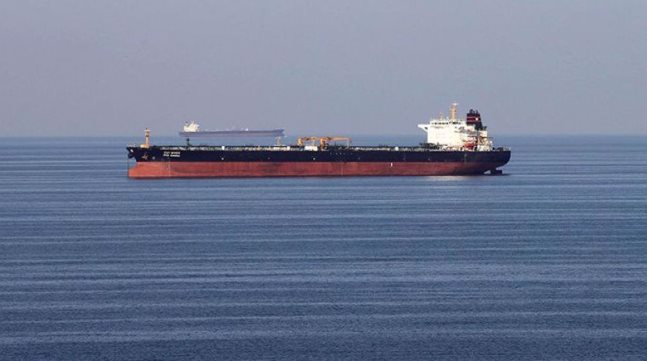
Illustrative Image
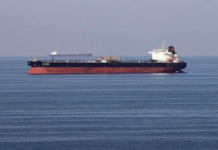
Shipping data from energy consultancy Kpler reveals that Turkey significantly reduced its crude oil imports from Russia in November. This reduction comes amid tightening Western sanctions and domestic refineries actively seeking alternative sources.
According to Kpler and LSEG, Ural oil shipments to Turkey in November decreased by approximately 100,000 barrels per day compared to October, bringing total imports down to around 200,000 barrels per day.
Turkey emerged as one of Russia’s largest customers in 2022 after Europe halted crude oil purchases from Moscow. Currently, Ankara ranks second only to India in seaborne Ural oil imports.
The latest decline coincides with Washington’s additional sanctions targeting major Russian entities like Lukoil and Rosneft, limiting the pool of partners available to Turkish refineries.
Furthermore, the European Union’s impending ban on refined oil products from Russia, set to take effect by late January 2026, is prompting Turkish businesses to accelerate their supply diversification strategies.
As Ural oil imports decline, Turkey is increasing purchases of alternative grades such as Kazakhstan’s CPC Blend and KEBCO, as well as Iraq’s Basrah oil. Although exported from Russia’s Yuzhnaya Ozereyevka port, CPC Blend is primarily produced by Kazakh companies and exempt from sanctions related to Russian energy.
In November, Turkey’s CPC Blend imports from Kazakhstan rose to 105,000 barrels per day—the highest since February 2024, according to Kpler. In 2025, the country briefly imported small volumes of Russian-origin CPC Blend but ceased entirely by September.
Earlier in June, Turkey’s Ural oil imports peaked at nearly 400,000 barrels per day, the highest in months. However, replacing Ural oil remains challenging due to limited availability of comparable grades in the Mediterranean market.
Additionally, CPC Blend imports may face new risks as recent attacks on the Caspian Pipeline Consortium’s infrastructure threaten to disrupt exports from Kazakhstan.
Source: Reuters
India Secures Another Massive Discount on Russian Oil as Moscow Pledges to Boost Supplies: What’s Behind the Deal?

India is currently purchasing Russian oil at a significant discount, approximately $5 per barrel below the Brent crude benchmark.
Hundreds of Porsche Vehicles in Russia Mysteriously Cease Functioning

Porsche owners across Russia are waking up to a baffling issue: their vehicles are mysteriously immobilized after being parked overnight. Concerns are rising about potential satellite signal interference or deliberate sabotage as the root cause.
Amid Sanctions Storm, Tens of Millions of Tons of Russian Oil Find a ‘Loophole,’ Quietly Slipping Across the Globe to Generate Over $5 Billion

A groundbreaking report reveals that over 100 vessels flying false flags have covertly transported Russian oil across the globe, generating more than $5 billion in revenue despite international sanctions.
Russia Faces New Asian Competitor Amid Customer Loss: Covertly Shipping Over 200,000 Barrels of Oil Daily to China via Third Parties

This nation is currently under sanctions imposed by the United States.
Global Energy Titan Launches Fleet to Secure Over 70 Million Tons of Russian Gas in 2024

Despite U.S. sanctions, Russian LNG continues to find a warm reception in the world’s most coveted market.