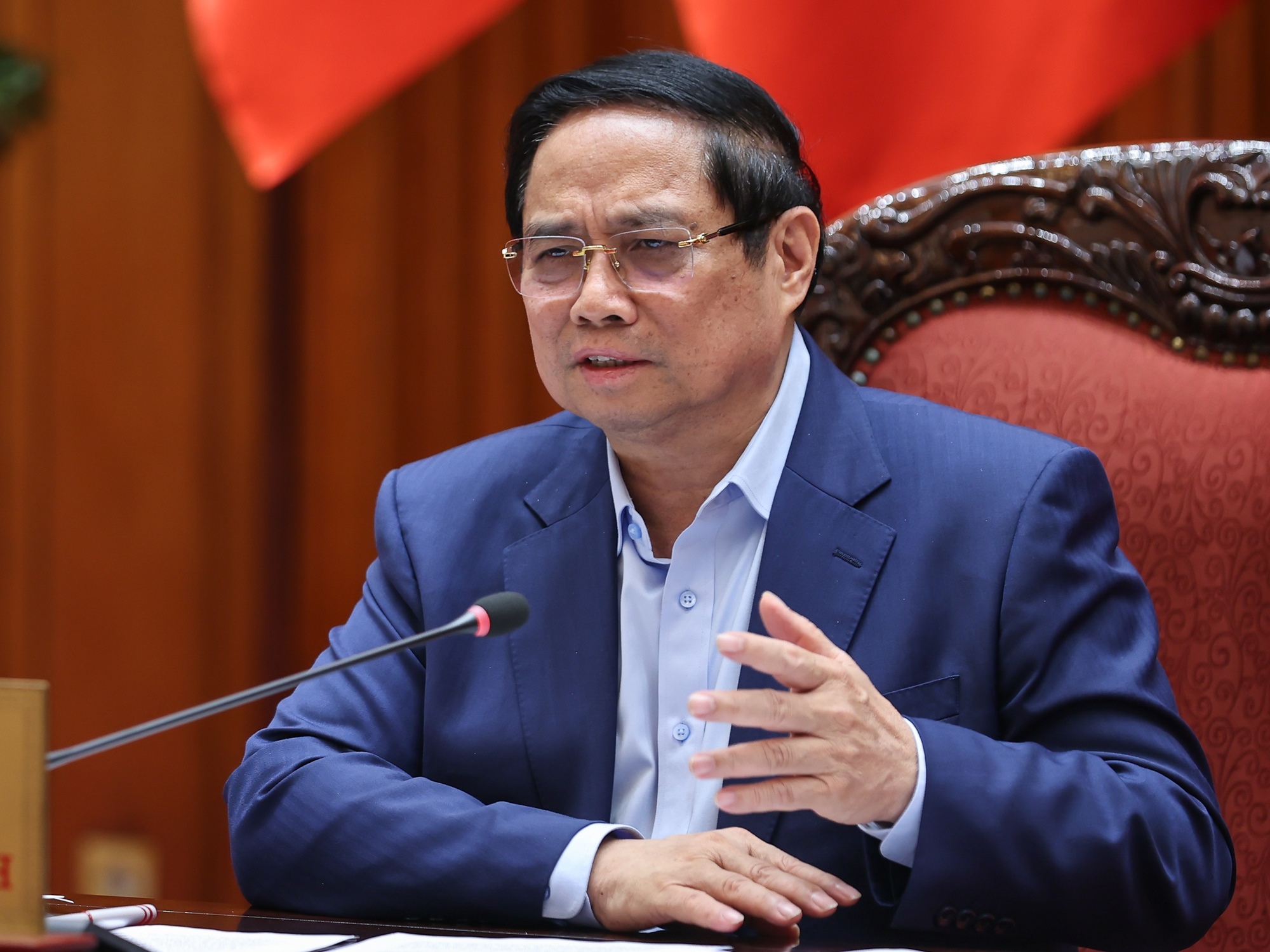
Prime Minister Pham Minh Chinh chaired the meeting of the Standing Committee of the Government Party Committee and the Standing Government on December 5th, 2025 – Photo: VGP
|
On the afternoon of December 5th, Prime Minister Pham Minh Chinh, Secretary of the Government Party Committee, chaired a meeting of the Standing Committee of the Government Party Committee and the Standing Government. The meeting aimed to provide feedback on the Master Plan for preventing land subsidence, riverbank and coastal erosion, flooding, drought, and saltwater intrusion in the Mekong Delta (MD), along with a draft report to the Politburo on addressing outstanding issues related to flood control in Ho Chi Minh City and several environmental projects.
During the meeting, delegates analyzed the context, limitations, and causes of land subsidence, riverbank and coastal erosion, flooding, drought, and saltwater intrusion. The Master Plan was developed based on resolutions, planning, and directives from the Politburo, the Secretariat, and the Government. Its goal is to create a comprehensive set of solutions to address systemic challenges in the MD.
The Prime Minister emphasized that the MD is a region with immense potential, contributing significantly to the country’s agricultural exports. However, it also faces severe pressures from climate change and water resource depletion. Issues such as land subsidence, erosion, and saltwater intrusion are closely interconnected, requiring a holistic and sustainable approach to address them effectively.
Embracing a “Harmony with Nature” Approach and Mobilizing Non-Budget Resources
Concluding the meeting, the Prime Minister agreed in principle with the proposal from the Party Committee of the Ministry of Agriculture and Environment. He instructed the committee to incorporate as much feedback as possible to finalize the dossier for submission to the Politburo. The Prime Minister stressed that the guiding principle for developing the Master Plan is “Harmony with Nature,” adapting flexibly to climate change while ensuring the scientific and practical feasibility of each solution.
He called for a review of mechanisms and policies, as well as the expansion of resource mobilization, particularly through public-private partnerships involving businesses and citizens. Non-budget resources should account for a minimum of 35%. Additionally, a detailed project list with timelines, priorities, and clear responsible agencies must be established.
In addition to infrastructure solutions, the Prime Minister suggested enhancing non-infrastructure measures. These include resettling communities, expanding mangrove forests and coastal protective forests, adjusting production to reduce groundwater extraction, promoting science and technology applications, and developing inland waterway transportation to leverage the region’s unique advantages.
Addressing Flood Control in Ho Chi Minh City and Outstanding Environmental Issues
Regarding long-standing environmental projects, including flood control in Ho Chi Minh City, the Government has issued numerous decisive directives, formalized through resolutions and guidelines from the Politburo and the National Assembly. The flood control project in Ho Chi Minh City is progressing actively, with no major obstacles requiring Politburo input.
The Ministry of Agriculture and Environment is also reviewing other environmental and climate change projects. The Prime Minister requested continued updates to finalize the report for the Politburo and called for unified national directives, initially focusing on areas with severe air pollution like Hanoi and Ho Chi Minh City. Ministries and agencies should review existing mechanisms and propose additions if current laws are insufficient.
– 19:58 05/12/2025
Establishment of Free Trade Zones in Ho Chi Minh City, Da Nang, and Hai Phong by 2026
The Prime Minister has called for the development of exceptional, competitive policies to pilot a number of free trade zones.
Who is the Largest Shareholder of the Song Ba Ha Hydropower Plant?
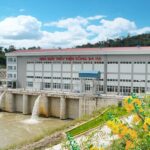
With a chartered capital of 1.242 trillion VND, Song Ba Ha Hydropower Joint Stock Company has consistently delivered strong business performance over the years.
AEON Vietnam Launches Mỹ Tho Shopping Center Project

On November 29, 2025, AEON Vietnam officially launched the Groundbreaking Ceremony and Infrastructure Construction for the AEON My Tho Shopping Center. Slated to open in 2027, AEON My Tho marks the next phase of AEON’s expansion in the Mekong Delta region.
Empowering Women Entrepreneurs: Vietnam’s Vision for 2035
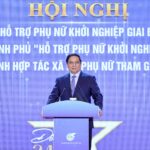
Capping off a highly successful 2017-2025 phase with results far exceeding expectations, the government has launched a new initiative for 2026-2035, positioning women at the heart of the entrepreneurial ecosystem. This ambitious plan aims to foster innovation, drive digital transformation, and empower women economically.
Accelerating Transportation Infrastructure Connectivity Between Vietnam and Guangxi, China: Prime Minister’s Urgent Call to Action
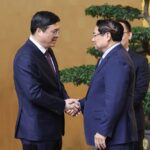
At noon on November 27th, at the Government Office, Prime Minister Pham Minh Chinh received Comrade Wei Chao, Member of the Central Committee of the Communist Party of China, Deputy Secretary of the Party Committee, and Chairman of the Guangxi Zhuang Autonomous Region, China.