












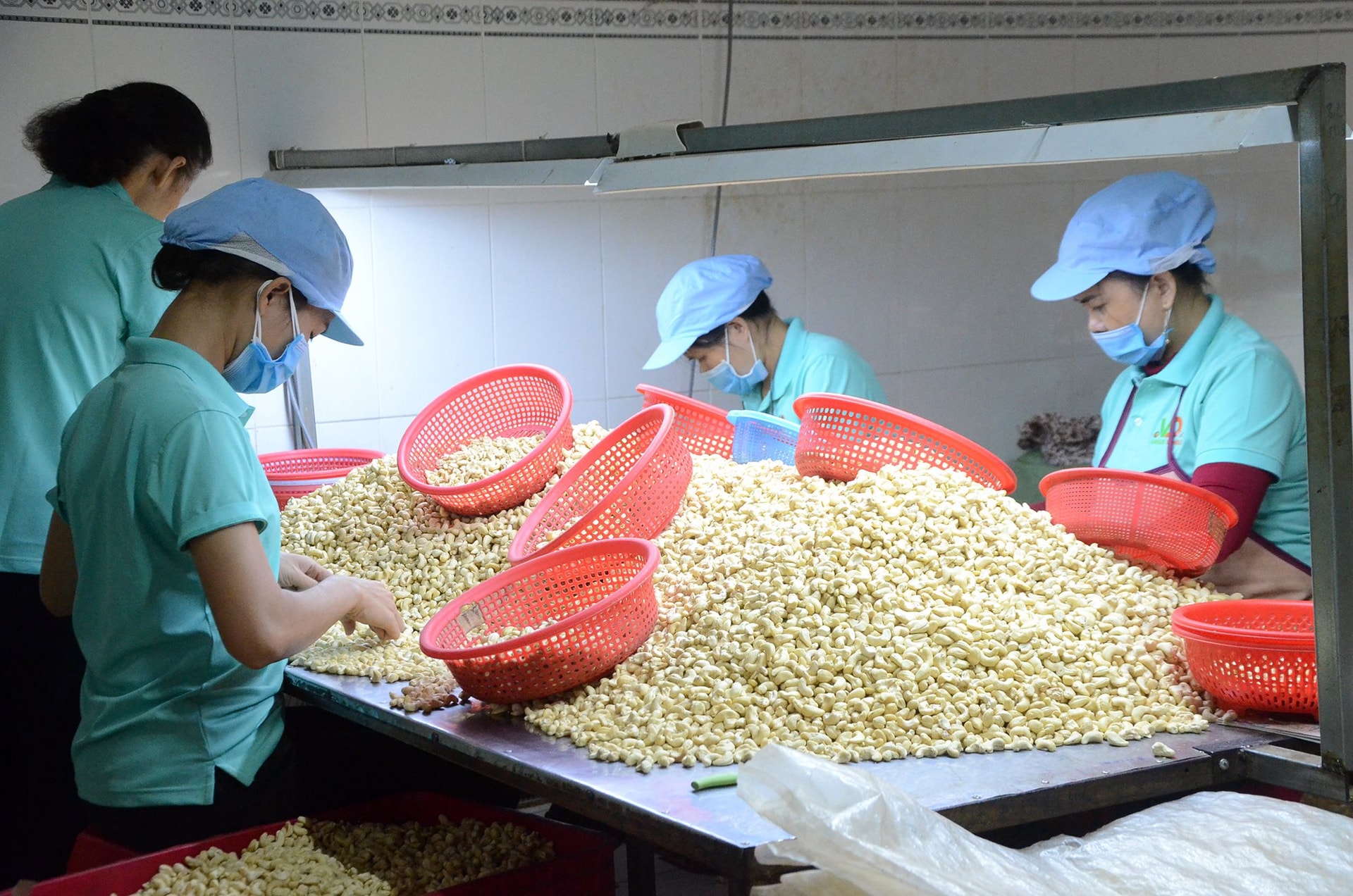
Vietnam’s Cashew Exports Soar in 2025: A Nutritional and Economic Powerhouse
According to the Ministry of Agriculture and Environment, Vietnam’s cashew exports for the first 11 months of 2025 are estimated to reach 698,100 tons, valued at USD 4.76 billion. This represents a 4% increase in volume and a significant 19.5% surge in value compared to the same period last year.
The average export price of cashews during this period stood at USD 6,816 per ton, a 14.9% increase year-over-year. This price hike has been the primary driver behind the substantial growth in export value, despite a modest rise in production volume.
China, the United States, and the Netherlands remain Vietnam’s top three cashew consumers, accounting for 21.3%, 18.9%, and 9.6% of the market share, respectively.
From April to October 2025, Chinese businesses significantly ramped up their imports of Vietnamese cashews, with monthly increases ranging from 45% to 137% compared to the previous year.
Specifically, in the first 10 months of 2025, China imported 128,649 tons of cashews from Vietnam, totaling USD 813.1 million.
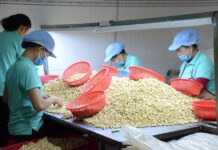
With over 180,000 hectares dedicated to cashew cultivation, Dong Nai province (following the merger with Binh Phuoc) leads Vietnam in cashew farming area. Dong Nai is also a national frontrunner in attracting businesses involved in cashew production, processing, and export.
The province boasts 496 OCOP products, with dozens of cashew-based items achieving OCOP certification. Notably, the majority of Dong Nai’s 5-star national OCOP products are derived from cashews.
As reported by Dong Nai Newspaper, cashews will remain a key product for the province. Dong Nai aims to solidify its position as the nation’s cashew capital and maintain its top ranking in cashew exports.
Cashews are a nutritional powerhouse, packed with protein, healthy fats, carbohydrates, starch, and iron. They also contain essential minerals like magnesium, potassium, and phosphorus, along with various vitamins.
Proanthocyanidins, a type of flavonoid found in cashews, have been shown to inhibit the recurrence of cancer cells and destroy existing ones. Additionally, the copper content in cashews helps neutralize free radicals, providing antioxidant and phytochemical benefits.
While no single food can prevent cancer, a balanced and healthy diet, which includes cashews, can contribute to reducing the risk.
China’s Massive Surge in Purchasing Vietnamese Seeds

What makes Vietnamese cashews so irresistible to this billion-strong market?
This ‘Gold and Silver Seed’ has brought in hundreds of millions of dollars at the start of the year: China ‘can only dream’ as Vietnam dominates the global market with superior product quality
Vietnam has a cultivation area for this seed that is more than 7 times larger than China’s.