













VIDEO: Discover the 8-Lane Nam Định – Lạc Quần Coastal Route.
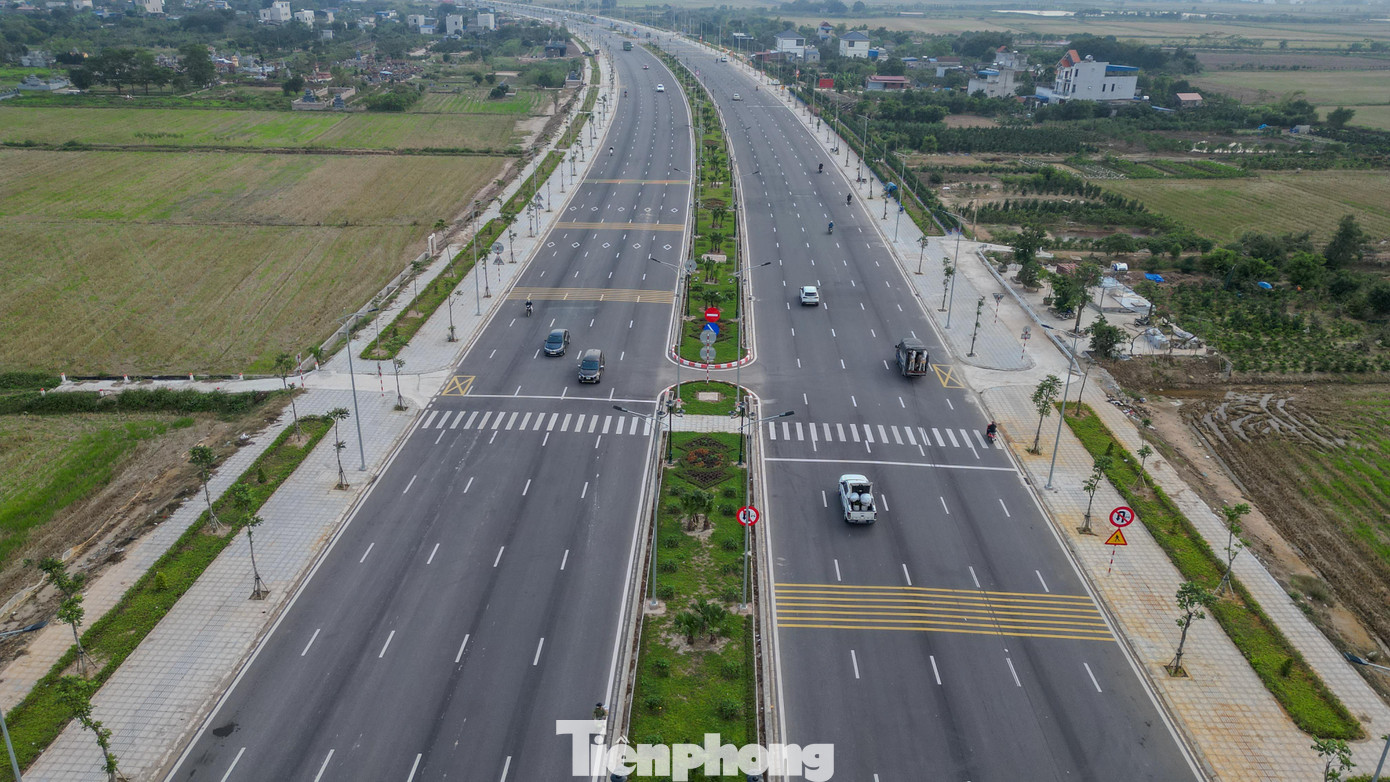
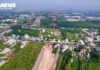
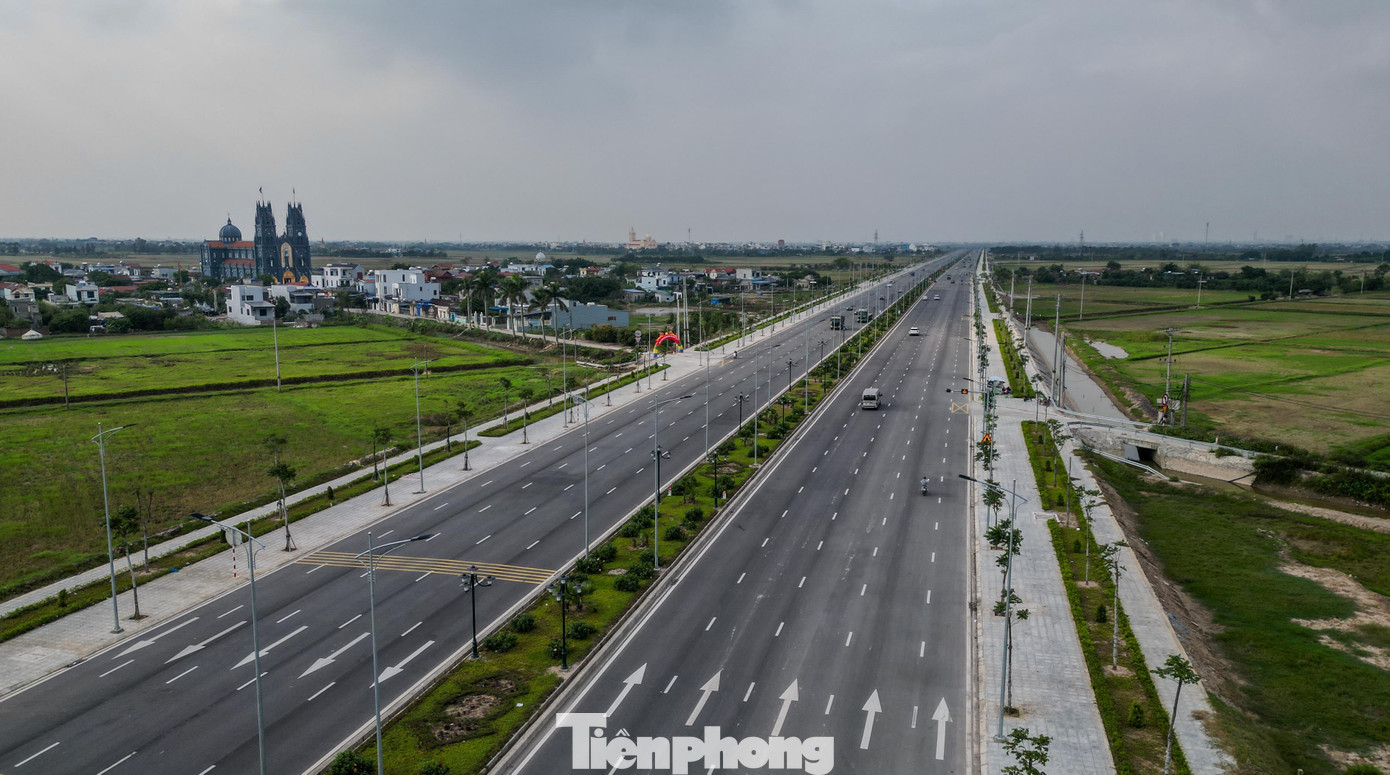
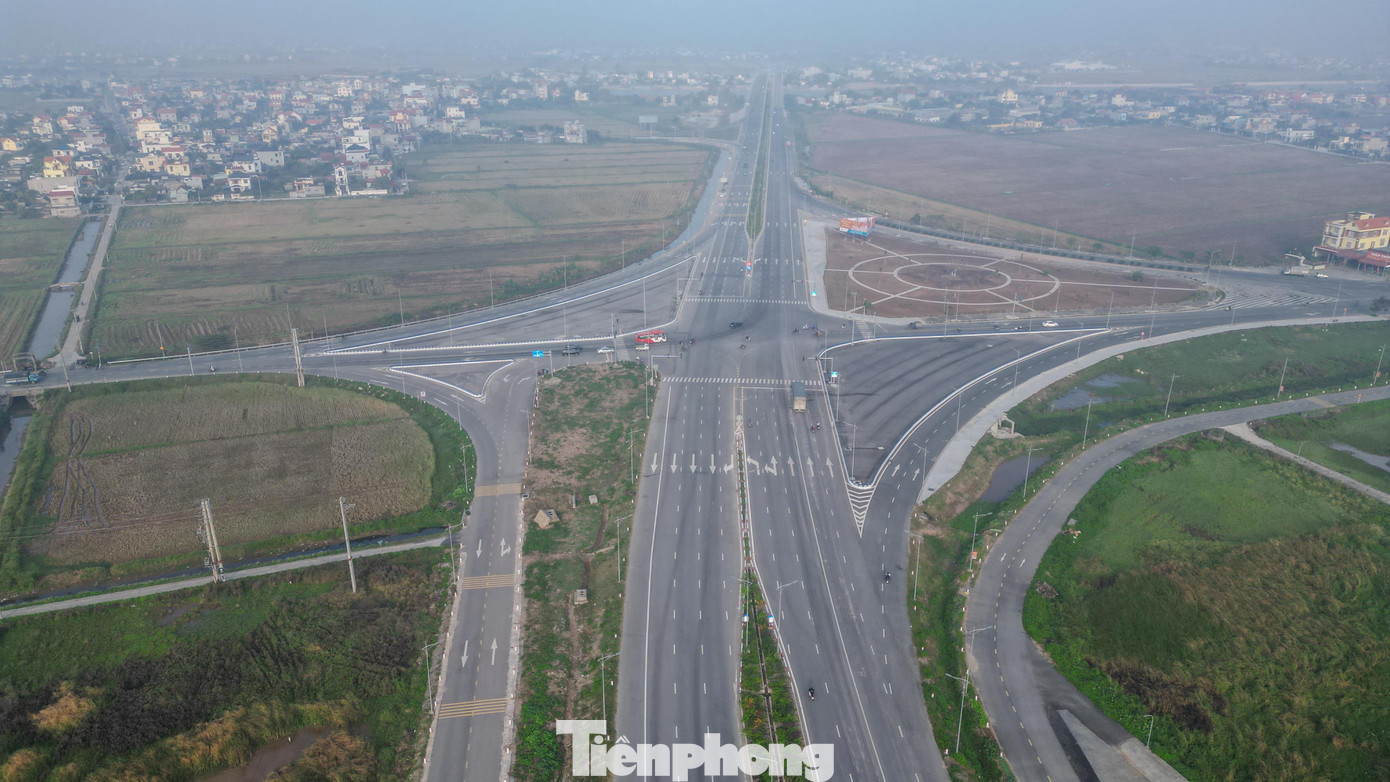
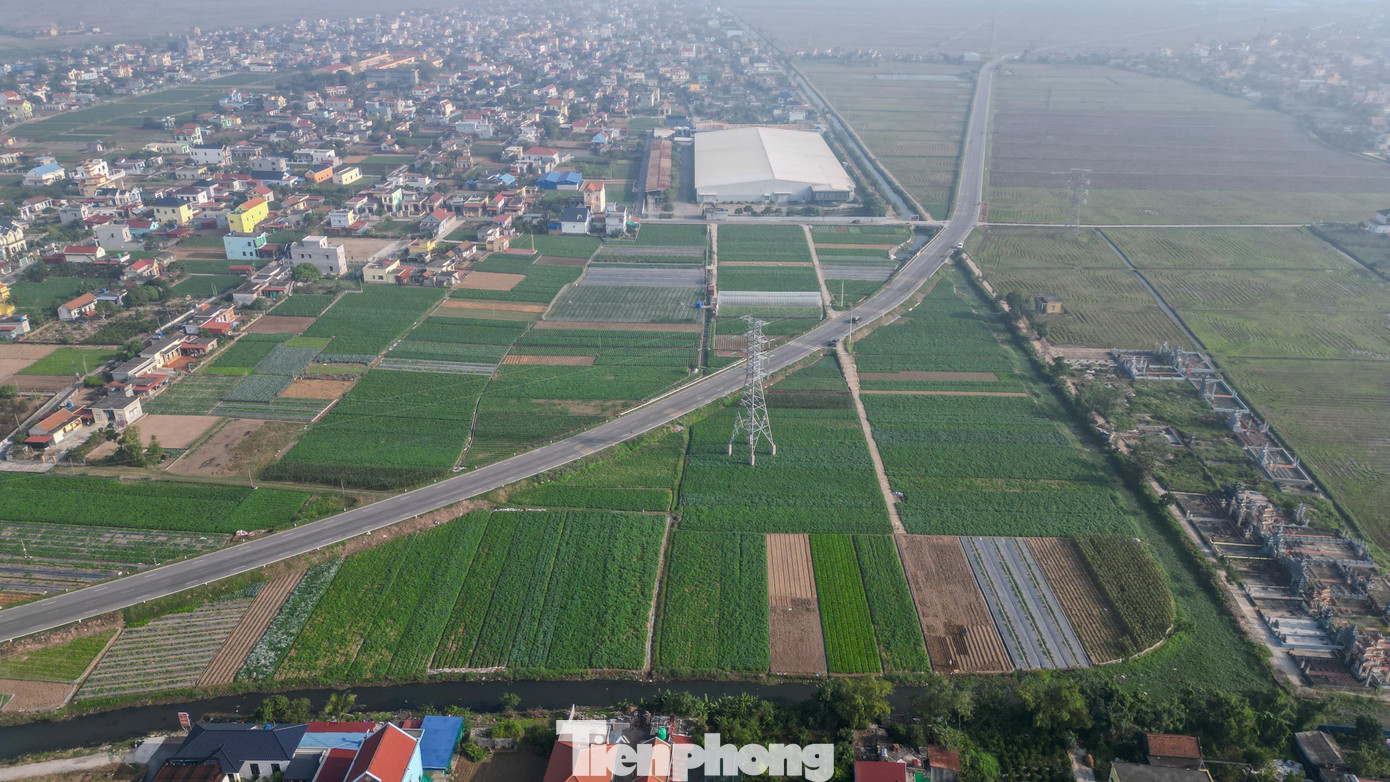
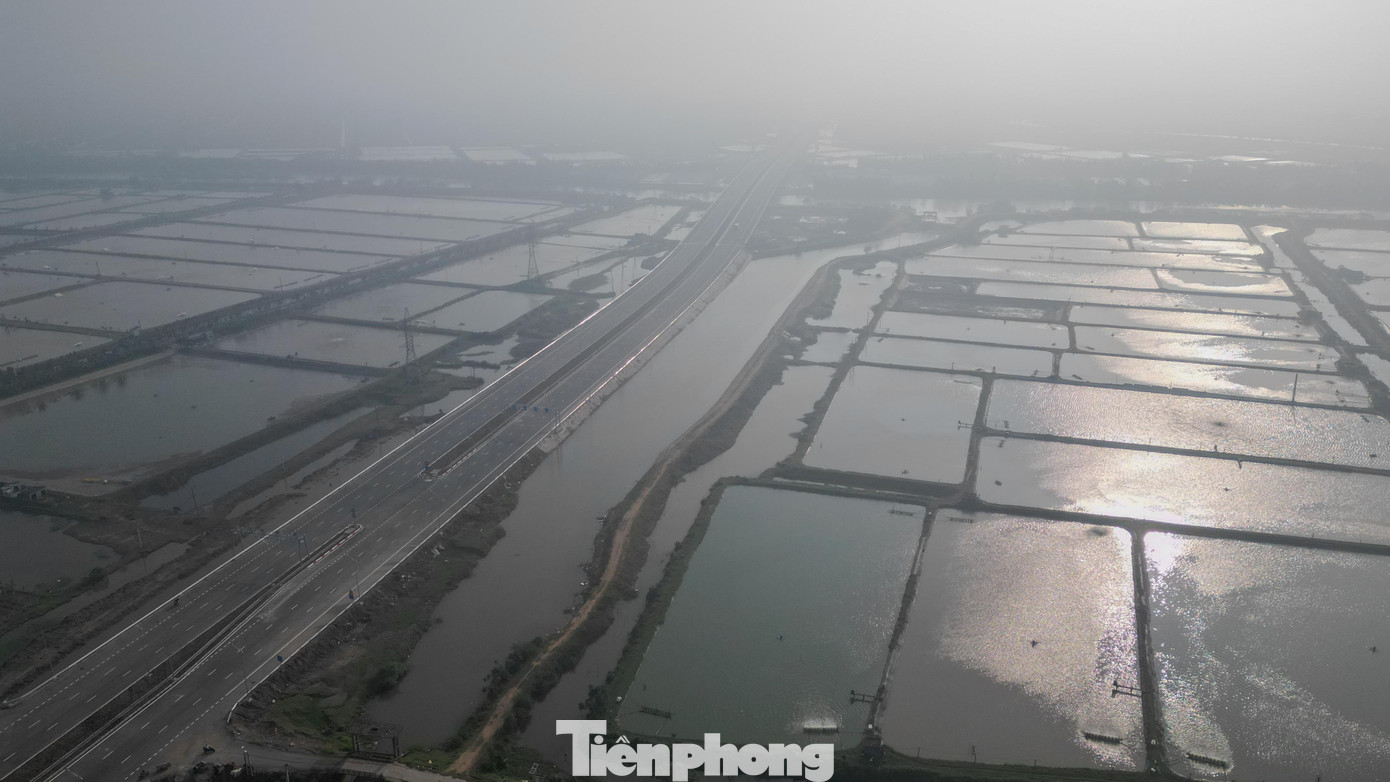
The Nam Định – Lạc Quần route is part of the Ninh Bình Coastal Road project, designed as a Grade I road in the Red River Delta, creating a new connection from the Red River region to the Ninh Bình coast. From above, the road winds through rice fields, vegetable patches, and the dense river system of the Northern Delta.
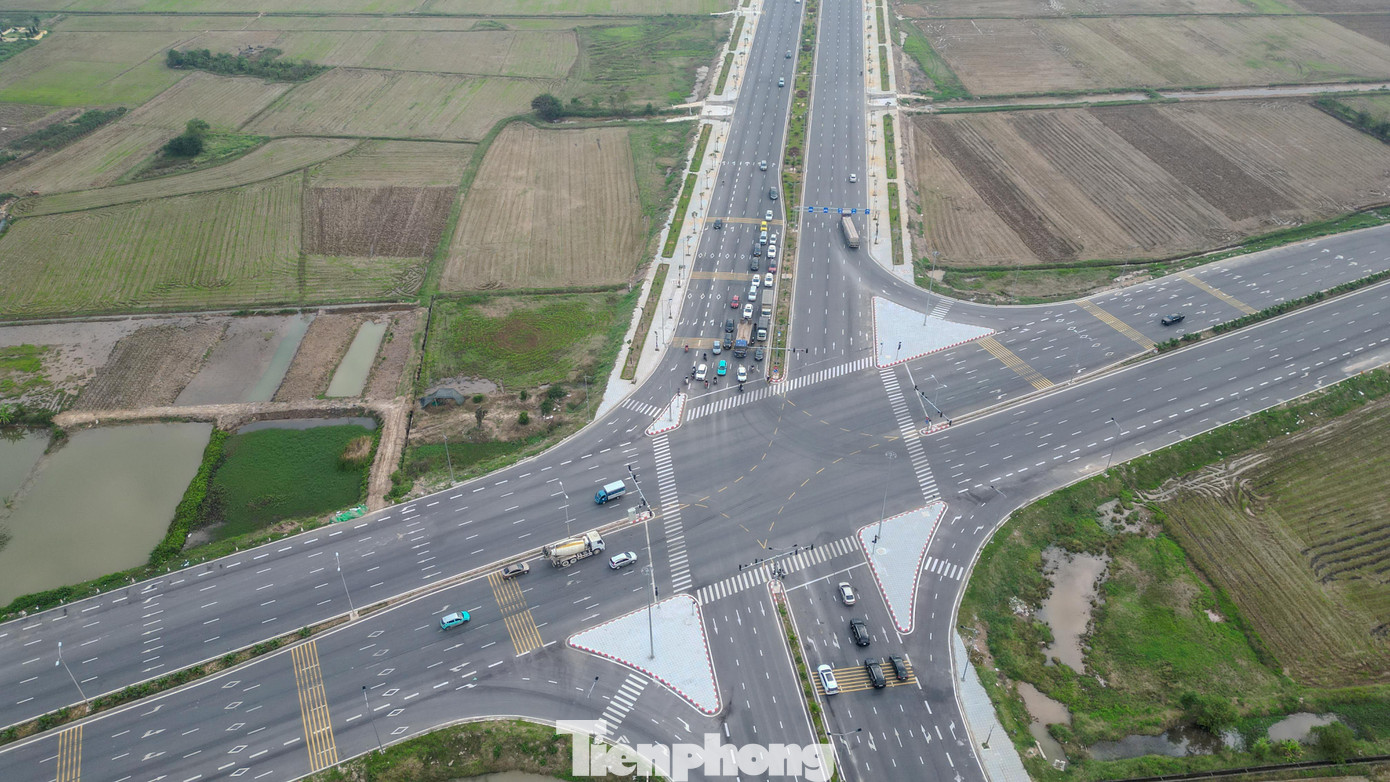
The route spans approximately 24.66 km, passing through 5 districts of the former Nam Định province (now part of Ninh Bình), with a total investment of around 6.4 trillion VND. The starting point connects to the South Nam Định City Axis project in Nam Cường and Hồng Quang communes, Nam Trực district (now Nam Trực commune and Hồng Quang ward, Ninh Bình). The endpoint links to the coastal road at the intersection with National Highway 37B.
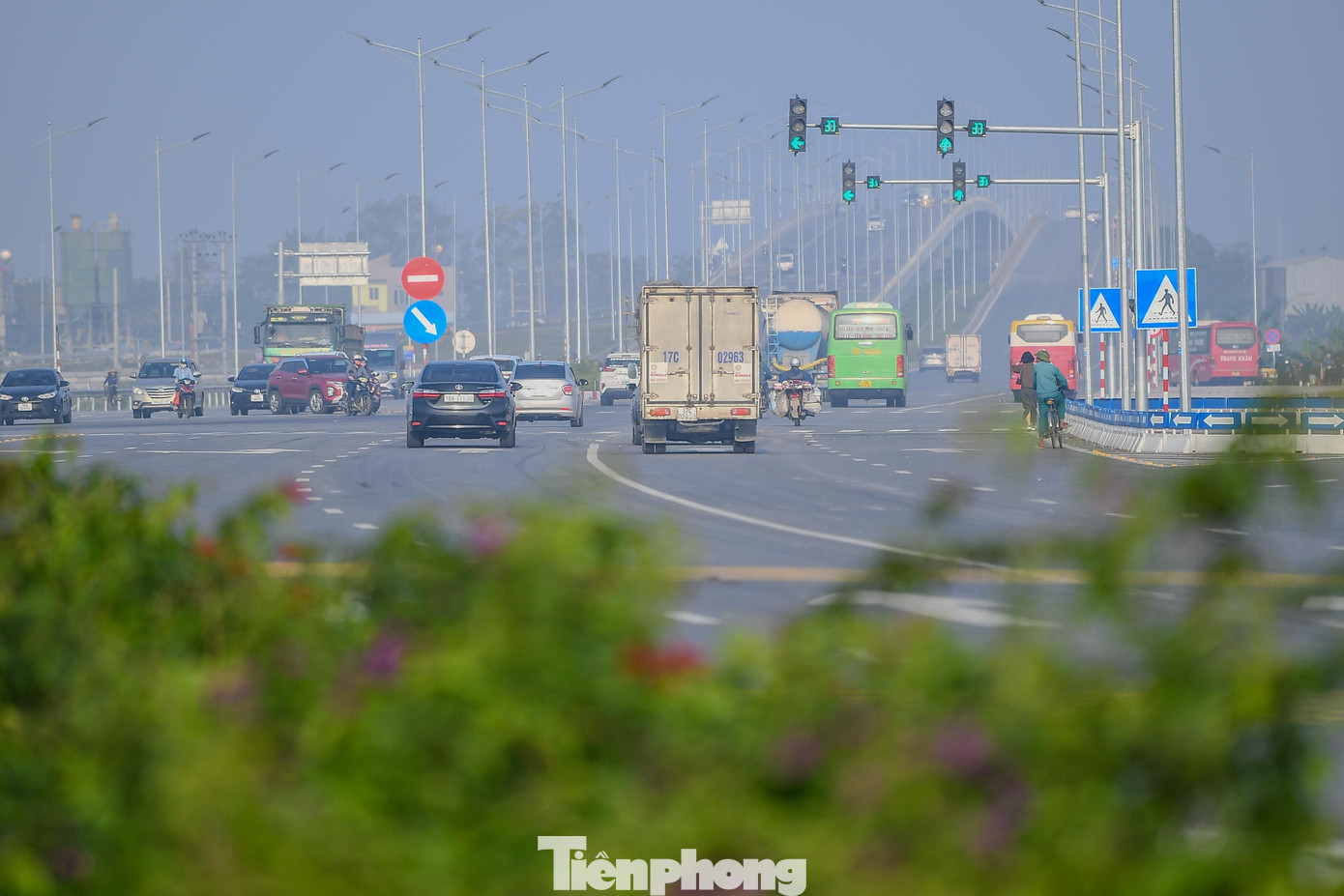
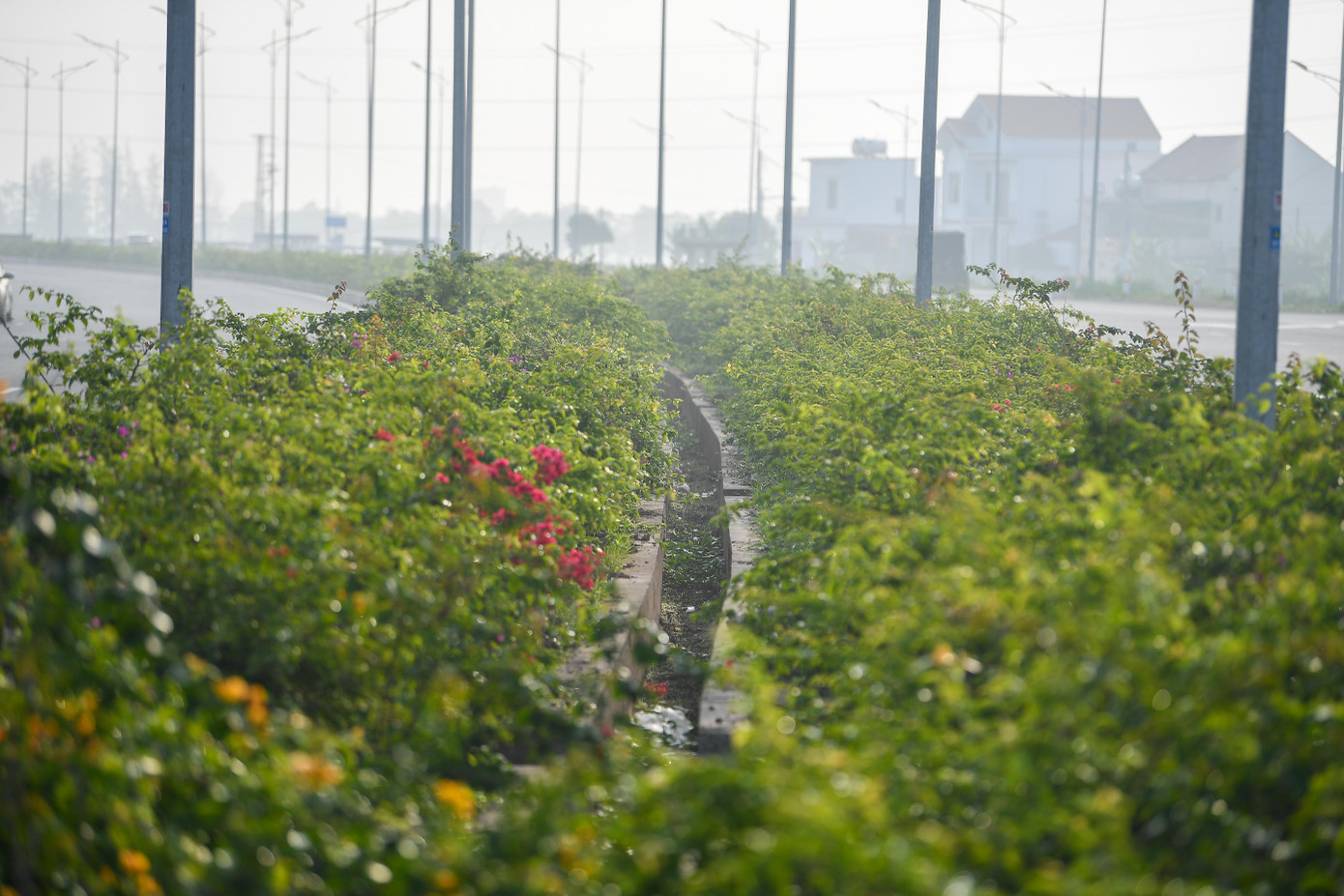
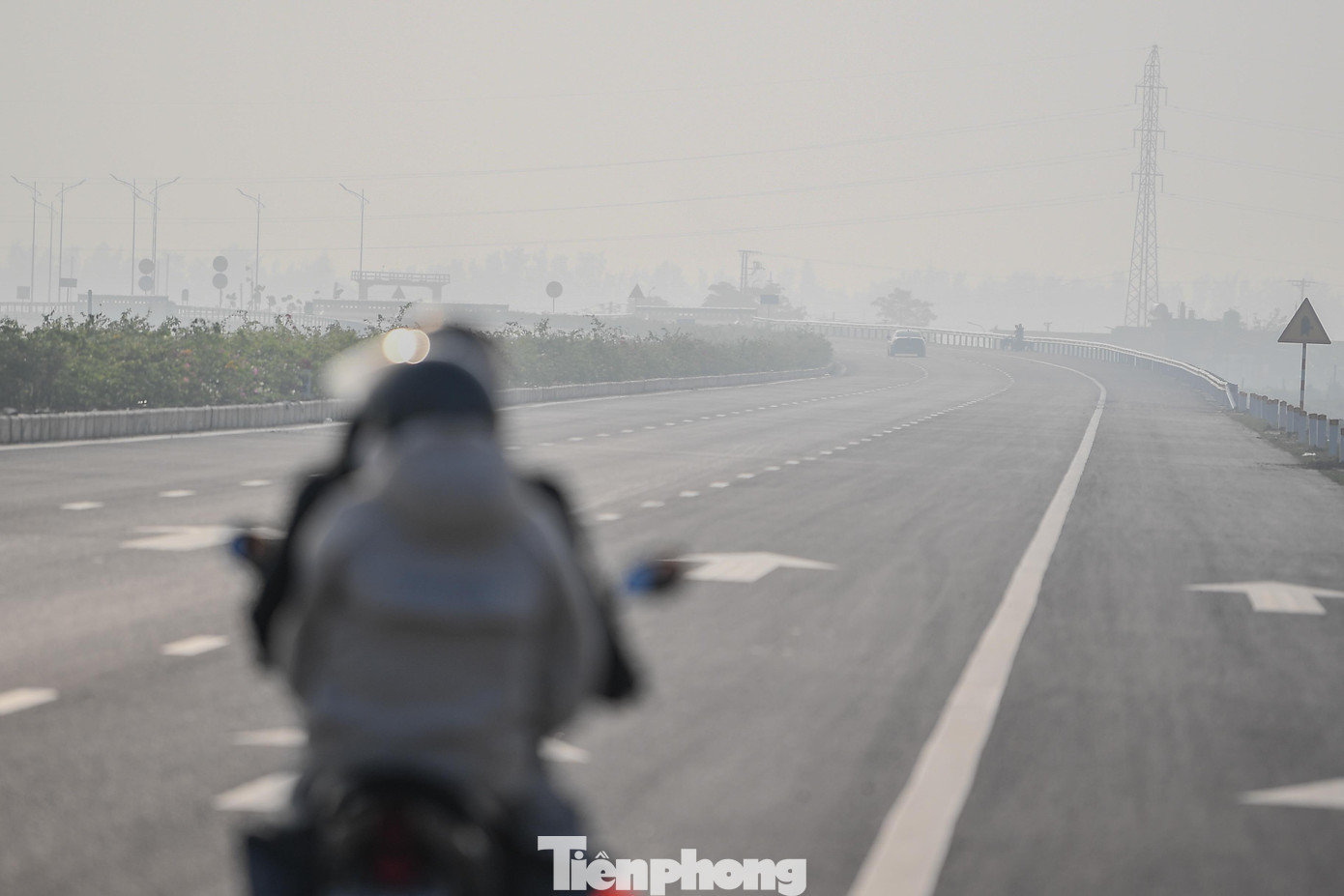
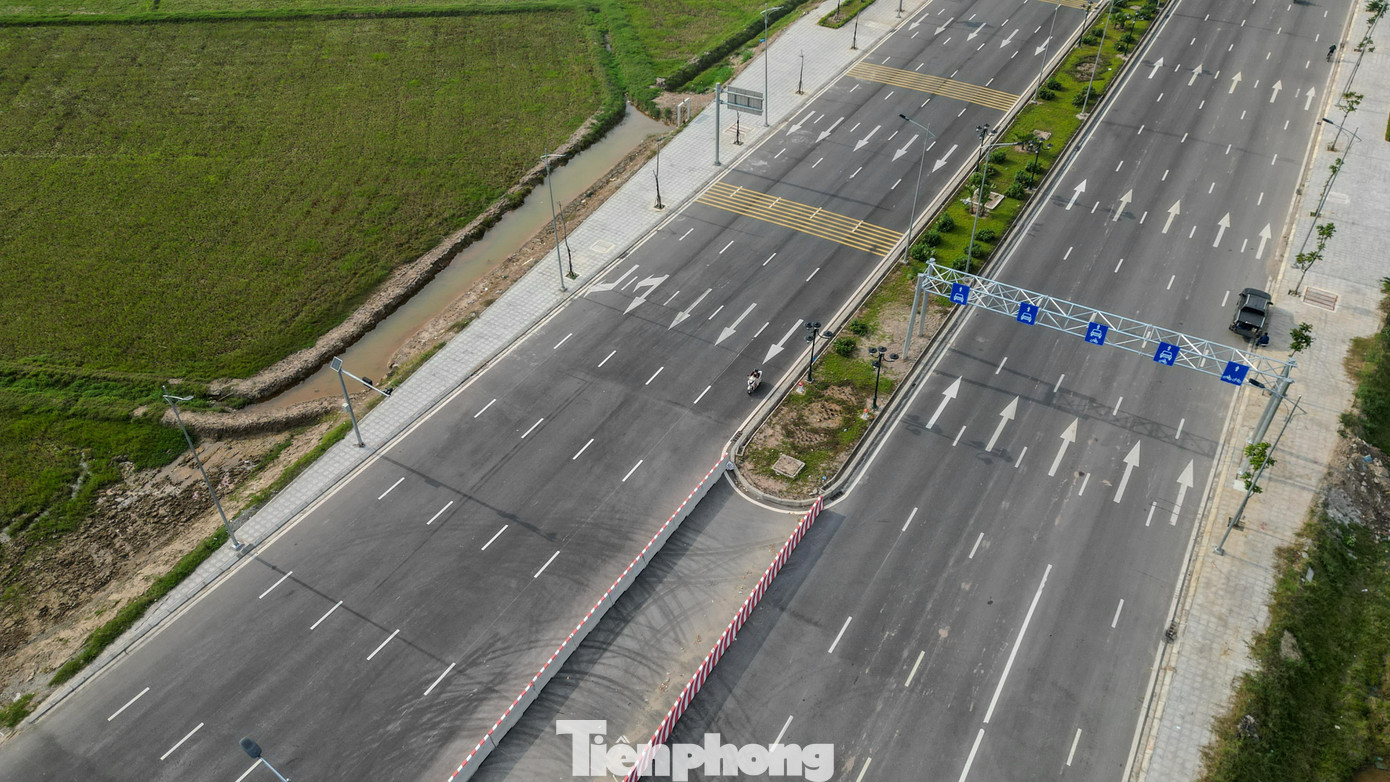
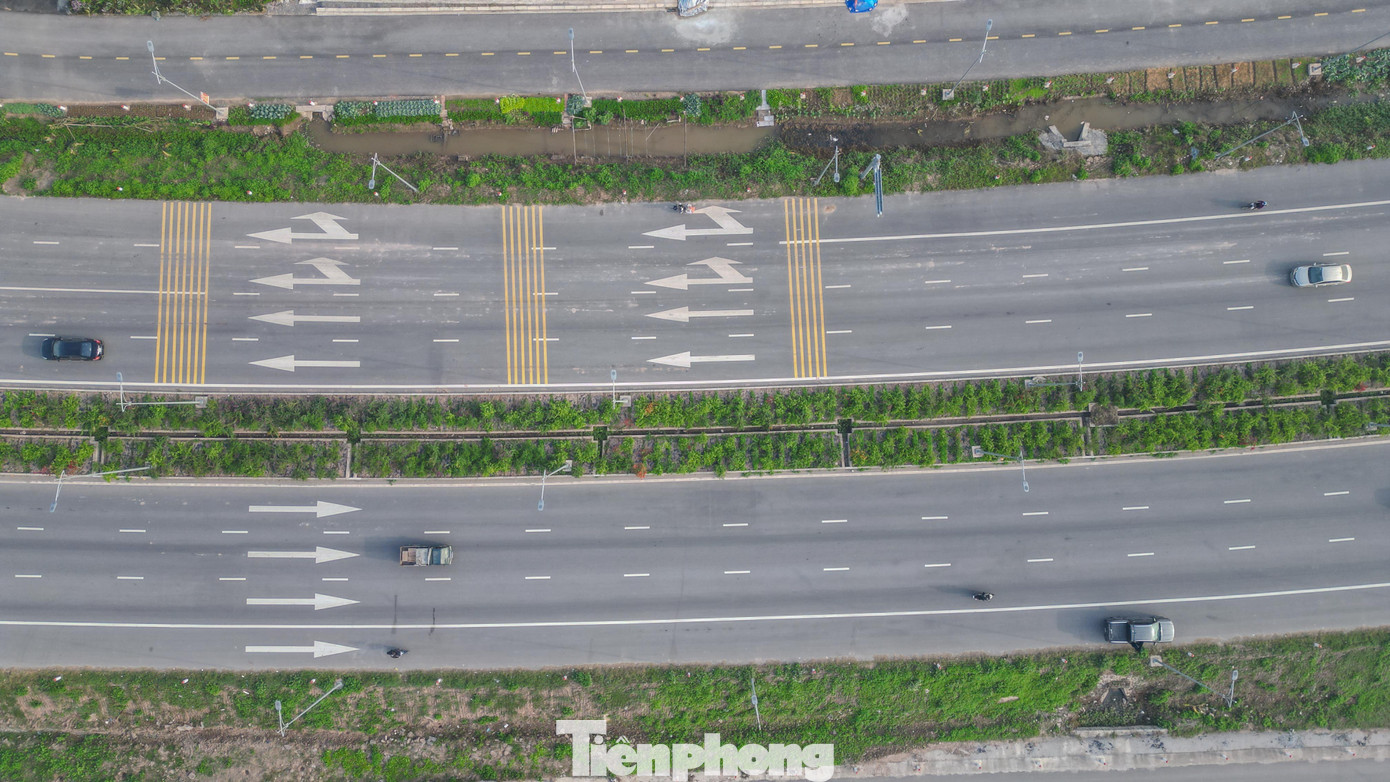
The road is constructed with a design speed of 100 km/h, a roadbed width of 39 meters, and an 8-lane carriageway.
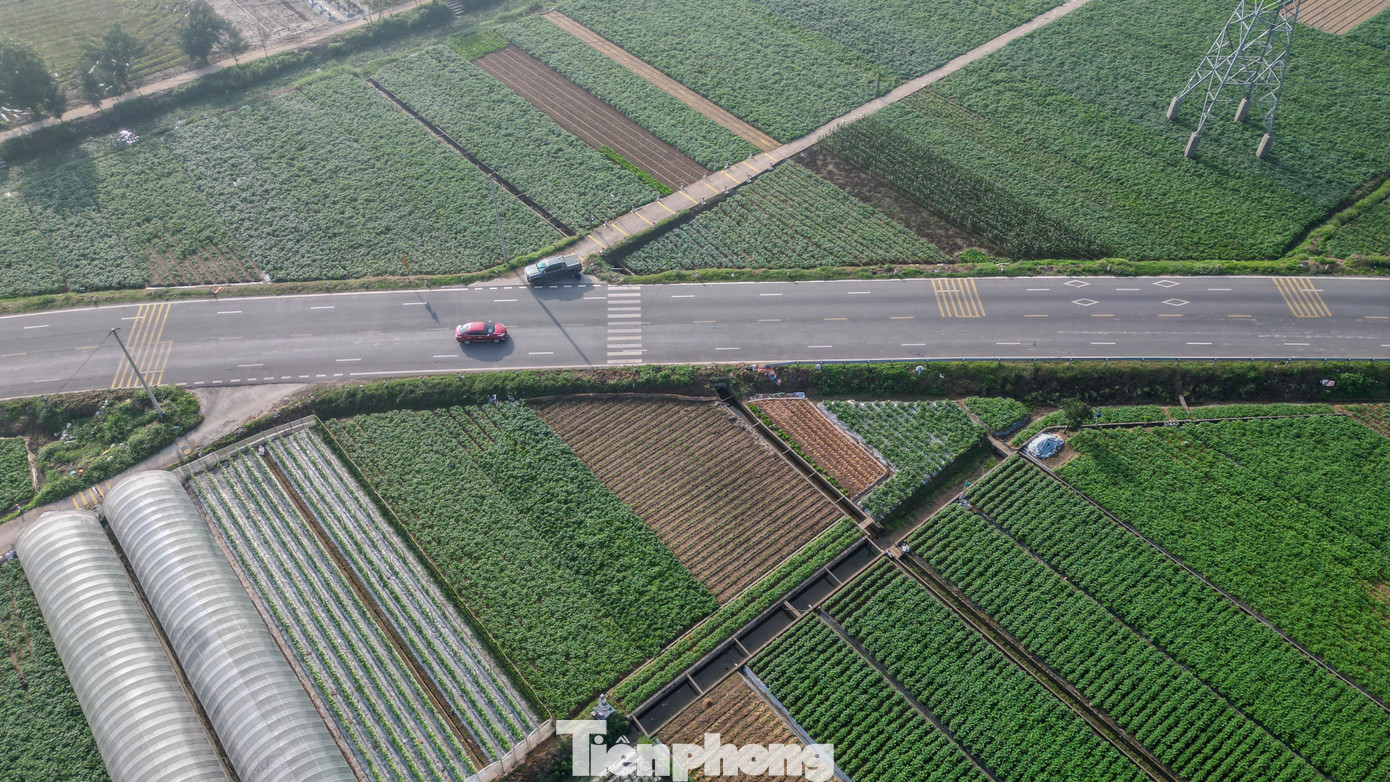
From above, the road traverses the characteristic rice and vegetable fields of the Northern Delta.
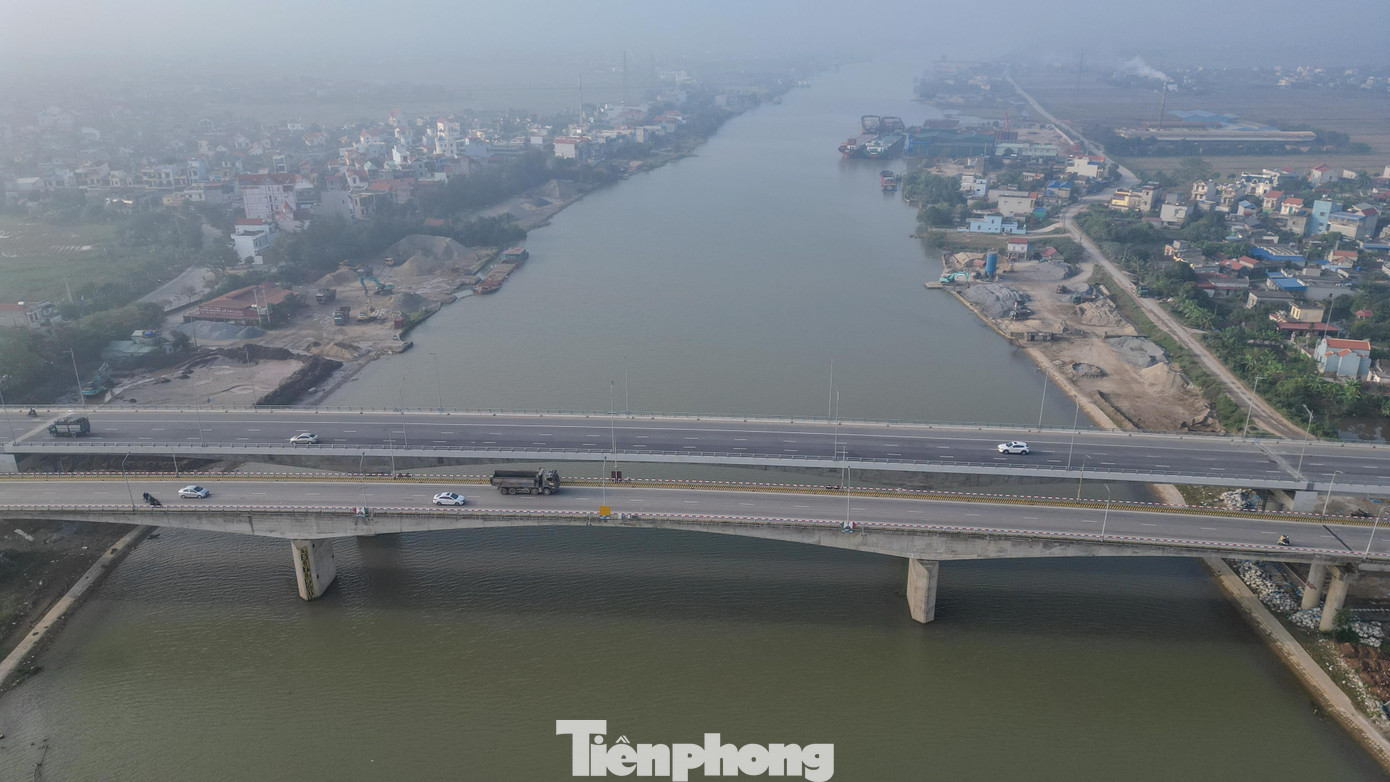
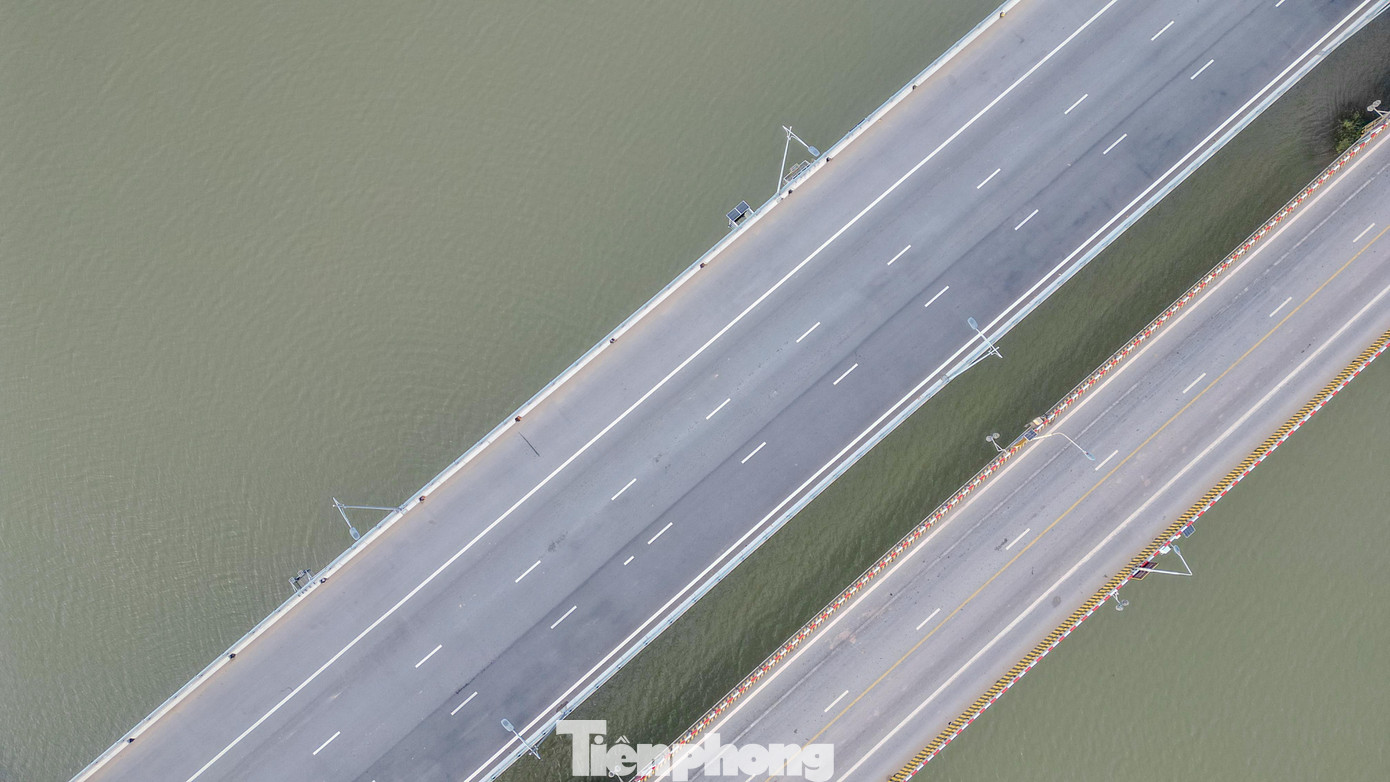
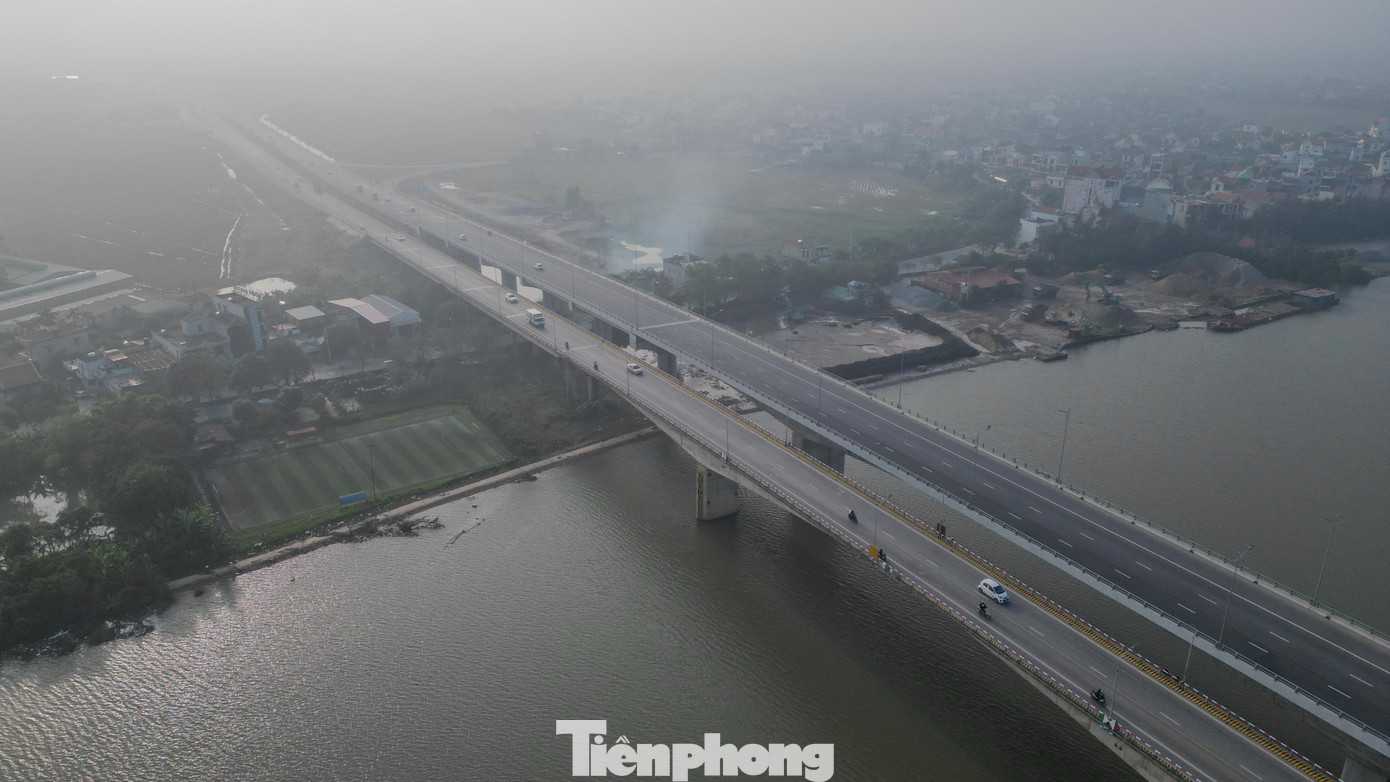
One of the project’s highlights is the bridge system, notably the Lạc Quần Bridge over the Ninh Cơ River. The old Lạc Quần Bridge was upgraded to 3 lanes, and a new parallel bridge was constructed, measuring 508.8 meters long and 17 meters wide, with 4 lanes.
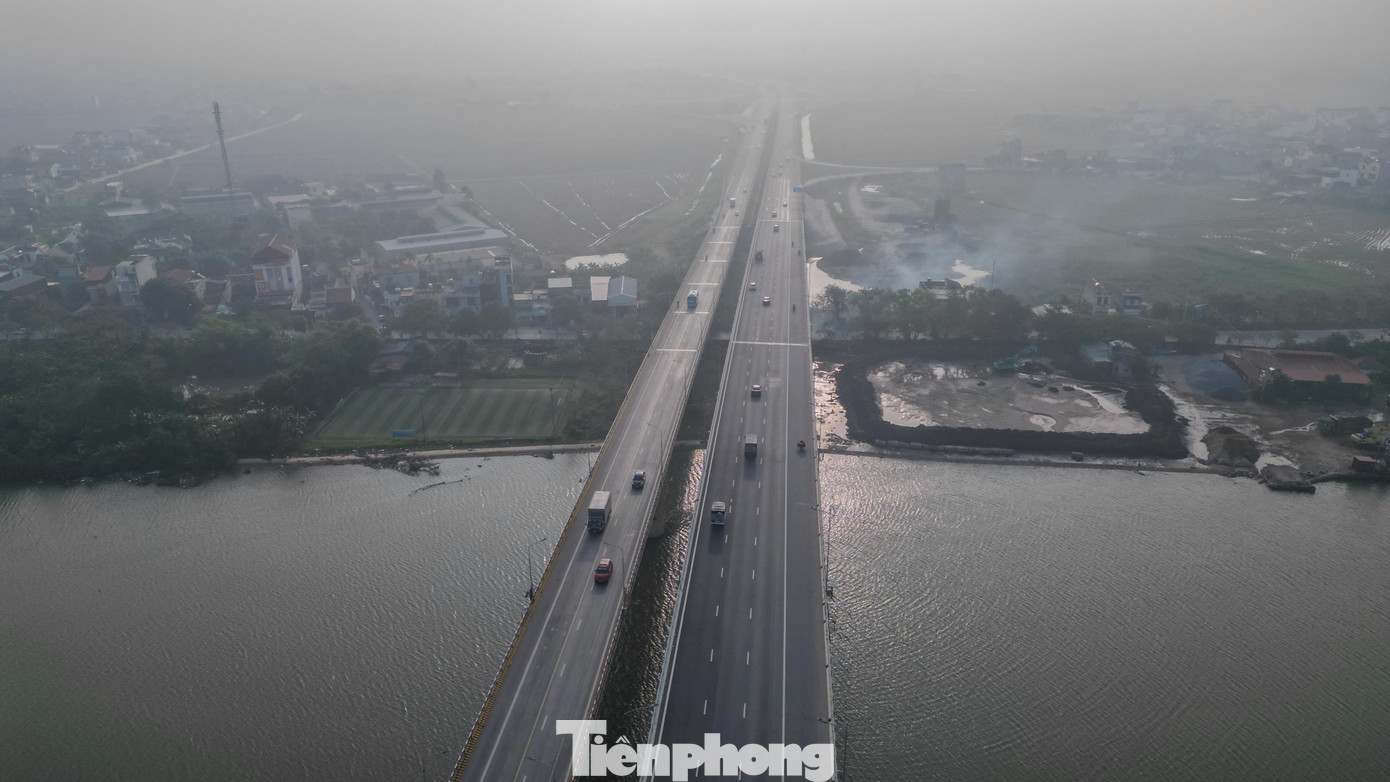
From above, the Lạc Quần Bridge complex forms a vital connection, ensuring uninterrupted traffic flow on the coastal road.
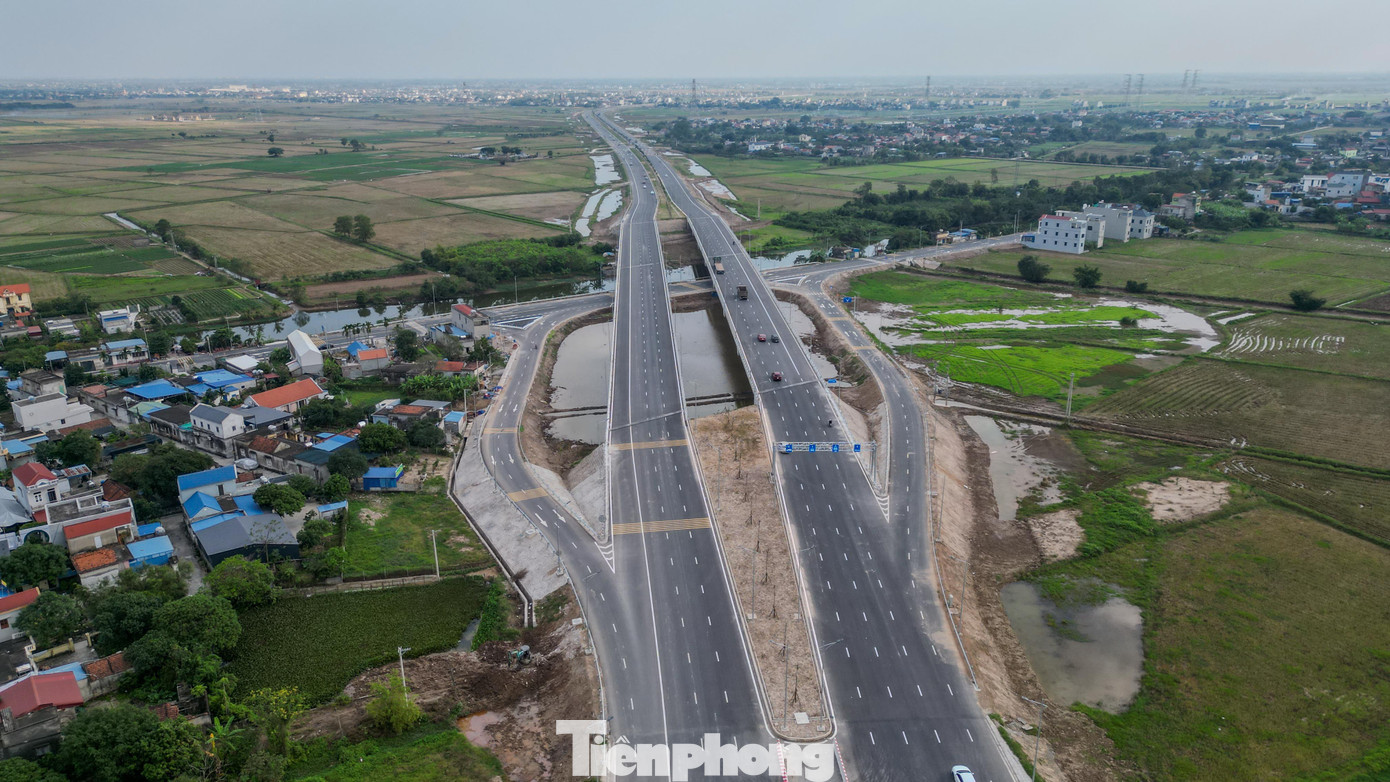
In addition to the Lạc Quần Bridge, the route features numerous overpasses across rivers, canals, and intersections with provincial and national highways. The intersections with Provincial Road 487 and National Highway 21A are seamlessly integrated, ensuring connectivity between the new road and the existing transportation network.
Once operational, the Nam Định – Lạc Quần – Coastal Road is expected to share traffic with National Highway 21, reducing pressure on older routes and shortening travel times for goods and passengers from the Ninh Bình coast to Hanoi and the Red River Delta region.
The completion of the Nam Định – Lạc Quần – Coastal Road is seen as a crucial step in perfecting the regional transportation network and fostering socio-economic development in the coastal areas south of the Red River Delta.
Hòa Phát Invests in 235-Hectare Industrial Park in Hưng Yên
Hòa Phát Group has received approval from the People’s Committee of Hưng Yên Province for its investment plan in the Lý Thường Kiệt Industrial Park – Phase 1. With a total investment of over 2.8 trillion VND, the project is expected to commence handing over infrastructure-ready land to tenants by the end of 2026.
Prime Minister: Red River Delta Must Lead as the “Three Pioneers” in National Development

Prime Minister Pham Minh Chinh, chairing the 6th Conference of the Regional Coordination Council, underscored the Red River Delta’s pioneering role in sustainable development, economic restructuring, and the establishment of a two-tier government system. He also outlined 11 key priorities for the region moving forward.
The Comprehensive Overview: Four Proposed Locations for the Second Airport in the Capital Region

The Capital Region’s second airport is designed to alleviate pressure on Noi Bai International Airport after 2050. Before Hanoi decided to plan the Phu Xuyen and Ung Hoa areas, three other proposals were put forward in Hai Duong, Hai Phong, and Ha Nam.
The Vietnam Canal: Navigating Through Challenges
The $100 million canal has just recovered from a week-long setback.
“Ninh Binh’s Path to Prosperity: Unleashing the Power of Industry and Services”

The Prime Minister has instructed Ninh Binh to promptly develop Hoa Lu into a heritage city, emphasizing the importance of preserving the area’s rich historical and cultural value. This directive underscores the government’s commitment to promoting sustainable tourism and conserving Vietnam’s priceless ancient capital for future generations to appreciate.