




















For years, electric vehicles (EVs) have been touted as the long-term cost-saving solution for consumers: no fuel costs, minimal maintenance, and cheaper operation. However, when it comes to calculating the total cost of ownership over a decade, the results are surprising. Analyses by the Financial Times and Consumer Reports reveal that the cost gap between electric and gasoline vehicles over ten years is narrower than initially expected—and in some scenarios, EVs can even be more expensive.
The Financial Times highlights estimates from the U.S. and Europe showing that, with average usage, gasoline car owners spend tens of thousands of dollars on fuel over a decade. Yet, when compared to EVs, the savings from charging are offset by higher upfront costs, rapid depreciation, elevated insurance premiums, and the significant risk associated with battery replacement—the most expensive component of an EV.
Consumer Reports’ total cost of ownership study indicates that EVs have a clear advantage in the first five years due to lower maintenance costs. However, over 8–10 years, the picture shifts dramatically. Lithium-ion batteries degrade over time, reducing range and resale value. Replacing a battery outside the warranty period can cost thousands to tens of thousands of dollars, erasing years of fuel savings.
Reuters documents the firsthand experiences of EV owners. One California driver, interviewed about EV costs, chose an EV expecting long-term savings. However, after a few years, rising insurance premiums due to high vehicle value and costly repairs, coupled with rapid battery degradation, made the financial equation less appealing than his previous gasoline car.
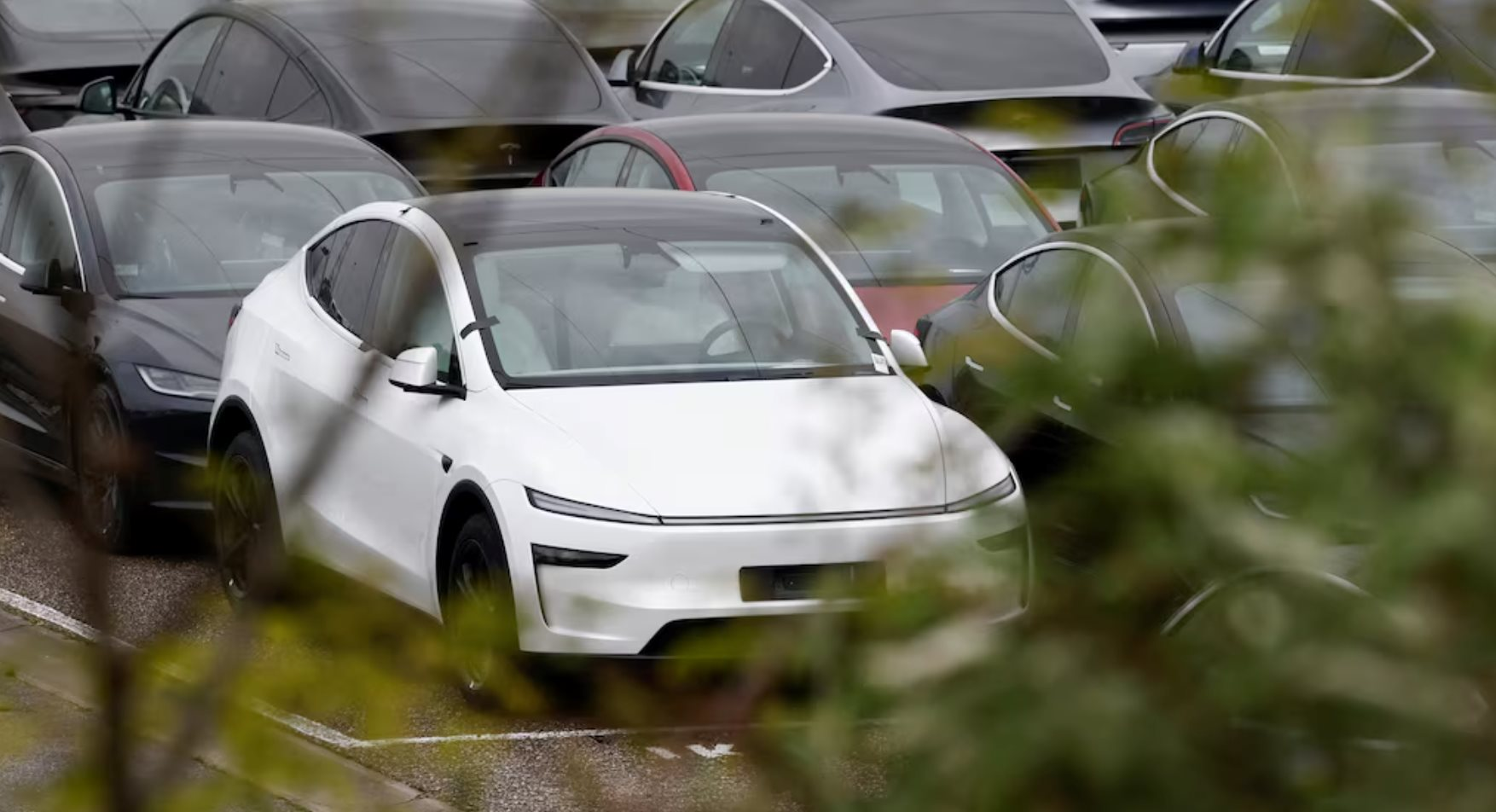
In Europe, the Financial Times shares the story of a German EV owner who believed EVs would be cost-effective in the long run. However, soaring electricity prices post-energy crisis and reduced tax incentives have significantly increased home and public charging costs. He admits that, when factoring in depreciation, insurance, and energy costs over a decade, EVs “aren’t as affordable as the ads promised.”
Another eye-opening factor is depreciation. According to Consumer Reports and analyses cited by the Financial Times, EVs typically lose value faster than gasoline cars in the early years, largely due to concerns about battery lifespan and rapid technological advancements. As newer models with improved batteries and faster charging emerge, older EVs quickly become outdated, driving down resale prices. For those planning to own a vehicle for a decade or more, this hidden cost is very real.

This doesn’t mean EVs are the wrong choice. Reuters emphasizes that under ideal conditions—stable electricity prices, convenient charging infrastructure, durable batteries, and long warranties—EVs can still be cheaper than gasoline vehicles over their lifetime. However, these conditions aren’t always guaranteed over a decade, especially with shifting subsidies and volatile energy markets.
The Financial Times concludes that the biggest lesson for consumers isn’t about choosing between EVs and gasoline cars, but understanding the full lifecycle costs of their purchase. While EVs may be environmentally friendly and suitable for many, financially, they may not deliver the savings once promised in marketing campaigns.
Source: Financial Times, Consumer Reports
EU Reverses Total Ban on Gasoline Cars: Who Celebrates, Who Worries?
The EU’s latest move offers a sigh of relief to traditional carmakers, but sparks concerns that Europe might be hitting the brakes in the electric vehicle race.
BYD on the Verge of Hitting the ‘Golden Milestone’

At the current growth rate, BYD is poised to achieve the milestone of exporting 1 million vehicles by the end of 2025.
The Electric Vehicle Industry Enters the ‘18-Month Era’: Western Automakers Are Breaking All the Old Rules to Survive

The electric vehicle industry is witnessing an unprecedented race as Western brands increasingly prioritize speed over quality, setting the stage for a transformative yet contentious era in automotive innovation.
Early Solutions for Electric Vehicles in Residential Complexes

The Ho Chi Minh City Department of Construction is set to develop a balanced solution that harmonizes safety requirements, residents’ rights, and the vision for sustainable green transportation.
Japanese Automotive Expert: VinFast Elevates Vietnam’s Future Global Standing

In the eyes of veteran Japanese automotive journalist and Japan Car of the Year judge, Shimizu Kazuo, VinFast stands as a landmark of Vietnam’s emerging industrial prowess.