
















Concerns Over Invoice Regulations and Specialized Inspections
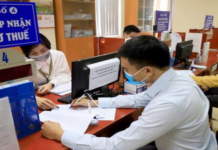
This morning (December 26), the Ministry of Finance, in collaboration with the Vietnam Chamber of Commerce and Industry (VCCI), held a dialogue conference with taxpayers on tax and customs policies and administrative procedures. The event also opened an online channel for receiving and addressing concerns on the Tax Department’s electronic information portal.
Ms. Le Thi Duyen Hai, Deputy Secretary-General of the Vietnam Tax Consultants Association, highlighted a significant concern among businesses: the Ministry of Finance should continue reporting to the Government to resolve issues related to electronic invoicing, particularly in sectors with high transaction frequencies, such as transportation and services.
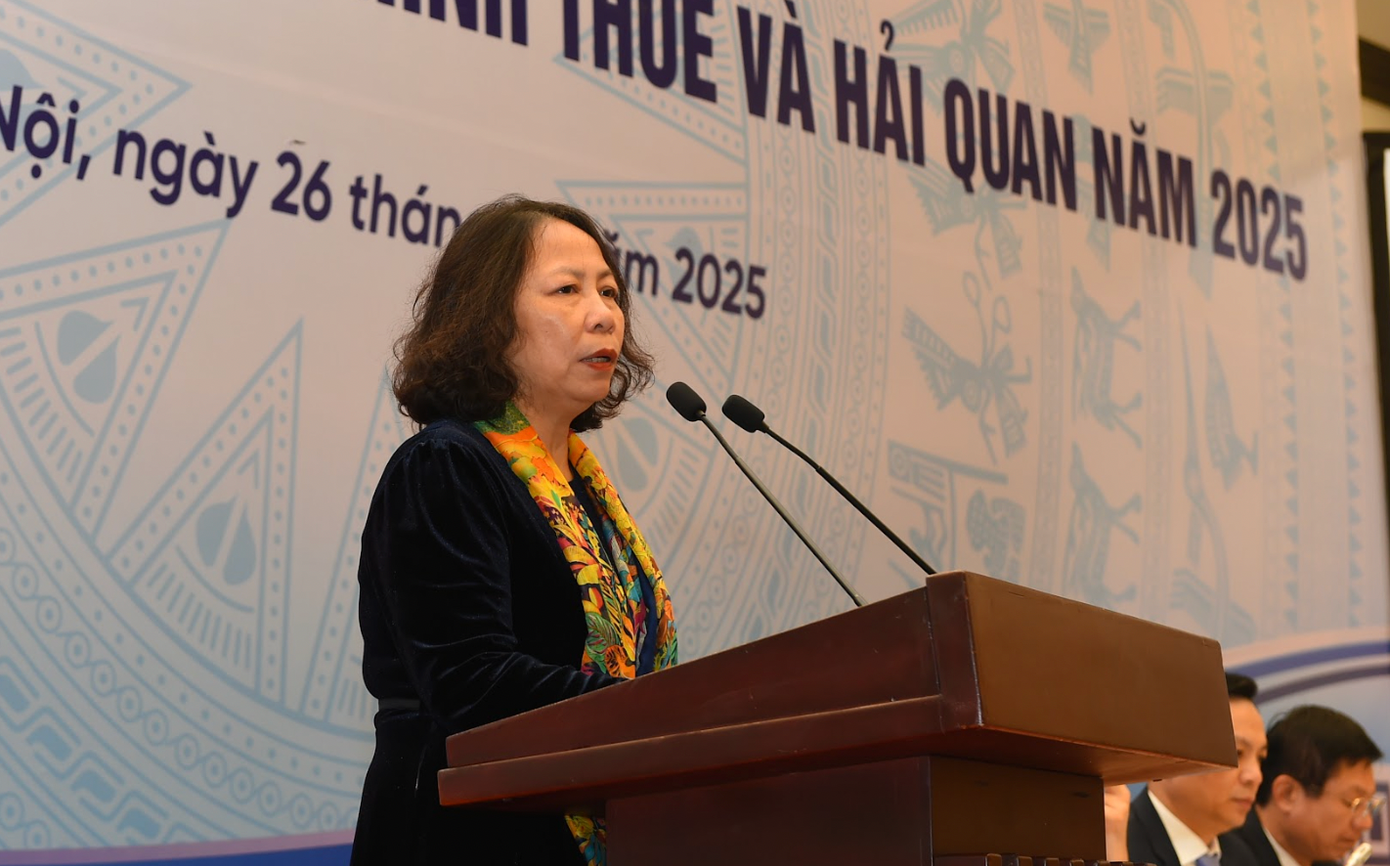
Ms. Le Thi Duyen Hai, Deputy Secretary-General of the Vietnam Tax Consultants Association.
According to Ms. Hai, for administrative violations that are unintentional and do not impact state budget revenues, penalties should be deterrent but not overly burdensome for taxpayers. Currently, there are cases where data errors in tax declarations, which do not result in tax shortfalls, are still fined at high rates, ranging from 6 to 8 million VND, placing significant pressure on individuals and businesses.
As businesses transition from lump-sum tax to self-declaration, technical errors and data inaccuracies that do not affect tax liabilities may become more common. Ms. Hai recommends that authorities consider penalties based on the actual impact on tax obligations, ensuring fairness and peace of mind for taxpayers.
She also noted that 2026 marks a critical transition year for businesses and individuals, who will be fully responsible for tax declaration, calculation, and payment. For purely procedural errors, there should be support mechanisms and reasonable compliance deadlines to facilitate a smooth transition.
Regarding e-commerce, Ms. Hai suggested that if e-commerce platforms deduct and pay taxes on behalf of businesses, they should also issue invoices to buyers or be exempt from this obligation when transaction data is fully provided. Resolving these issues would encourage businesses to voluntarily comply with tax laws, ensuring accuracy without fear of excessive penalties.

The Ministry of Finance received 639 questions and has answered 142, ensuring 100% response.
Ms. Do Thi Thu Thuy, representative of the European Chamber of Commerce in Vietnam (EuroCham), pointed out that there is still room for improving the business environment. One concern raised by EuroCham is the inconsistent application of regulations exempting on-the-spot imported and exported goods from specialized inspections before customs clearance and state inspections for food safety and quality. This inconsistency causes confusion among businesses.
Ms. Thuy urged authorities to promptly issue detailed guidelines on exempting specialized inspections during customs procedures and when goods circulate in Vietnam for on-the-spot imports and exports, ensuring uniform application.
In cases where on-the-spot importers must undergo specialized inspections before clearance, EuroCham proposes allowing the use of completed inspection records from on-the-spot exporters (if available) to avoid redundant procedures, reducing costs and time for businesses.
Nearly 640 Questions Received
In addition to direct feedback at the conference, as of 12 PM on December 26 (when the question submission link closed), over 11,600 people had accessed the event. The Ministry of Finance received 639 questions and has answered 142, ensuring 100% response.
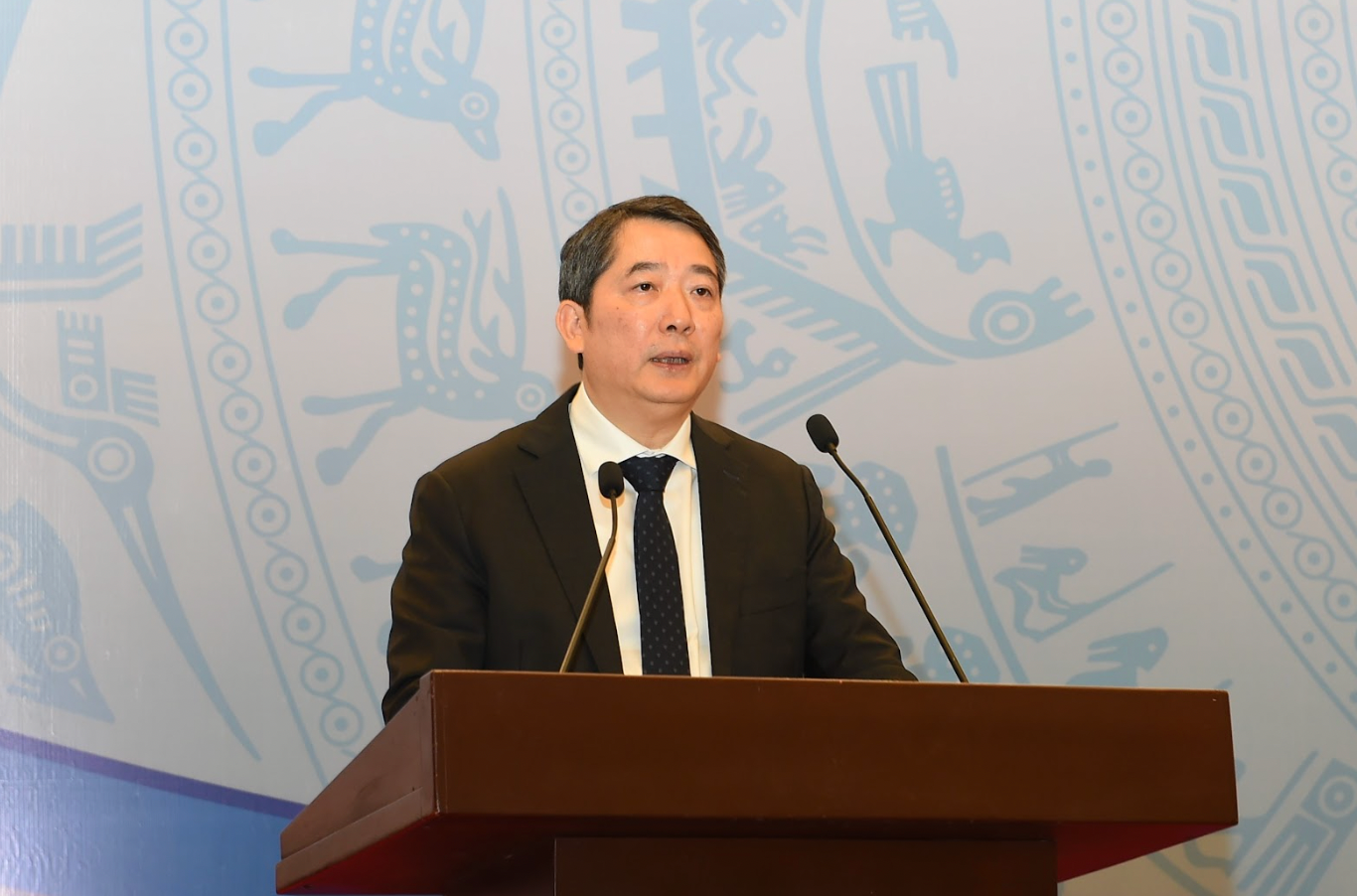
Deputy Minister of Finance Cao Anh Tuan.
Deputy Minister of Finance Cao Anh Tuan emphasized that the candid and constructive feedback from the business community will help the tax and customs sectors continue reforms and improvements, enabling taxpayers to comply with tax policies efficiently.
Tax and customs policies and procedures remain a top priority for businesses and taxpayers. This year, the Ministry of Finance implemented tax, fee, and land rent support measures totaling approximately 241.74 trillion VND.
Moving forward, the Ministry will closely monitor the situation to propose additional solutions, focusing on implementing tax, fee, and land rent measures already issued or forthcoming.
Continuous Feedback Reception for Prime Minister and Ministry of Finance Review
Mr. Ho Sy Hung, Chairman of VCCI, encouraged businesses to continue providing timely feedback on challenges and suggestions through VCCI for submission to the Prime Minister, Ministry of Finance, Tax Department, and Customs Department for resolution.