A Hanoi-based Pickleball club recently purchased a batch of the highly sought-after LT Pro 48 balls, only to discover unusual discrepancies during their inaugural use compared to an older batch acquired last September.
Comparison video of the two ball types.
The most noticeable difference lies in the color and material. The new batch features a significantly darker shade of green, while the older balls exhibit a lighter, more translucent hue. Upon closer inspection, the holes on the older balls appear precisely drilled and uniform, whereas the new balls have less defined hole edges.
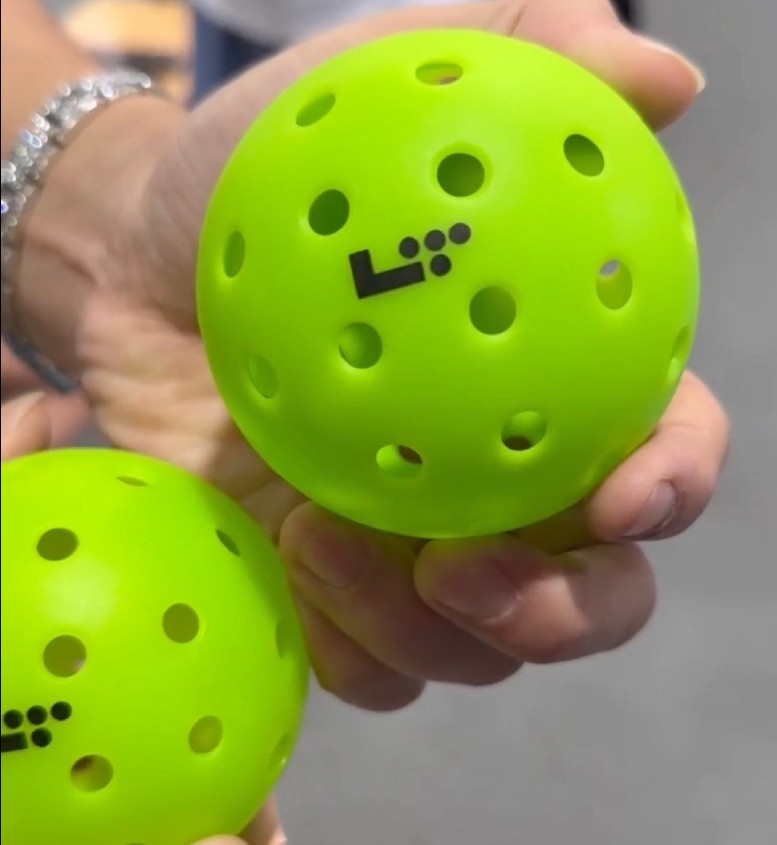
Visible differences between the two ball types are apparent to the naked eye.
Additionally, the surface texture varies. The older balls have smooth, seamless grooves, while the new balls feature more pronounced ridges, resulting in a distinct tactile experience. The new balls also feel thicker when held.
The printing quality on the new balls raises concerns, as the logos and text appear less sharp, with noticeable differences in finish visible to the naked eye.
Investigations reveal that in Hanoi, two sources of LT Pro 48 balls coexist. One is directly imported from the manufacturer without packaging, while the other is distributed through an official Vietnamese distributor and comes in boxes of three.
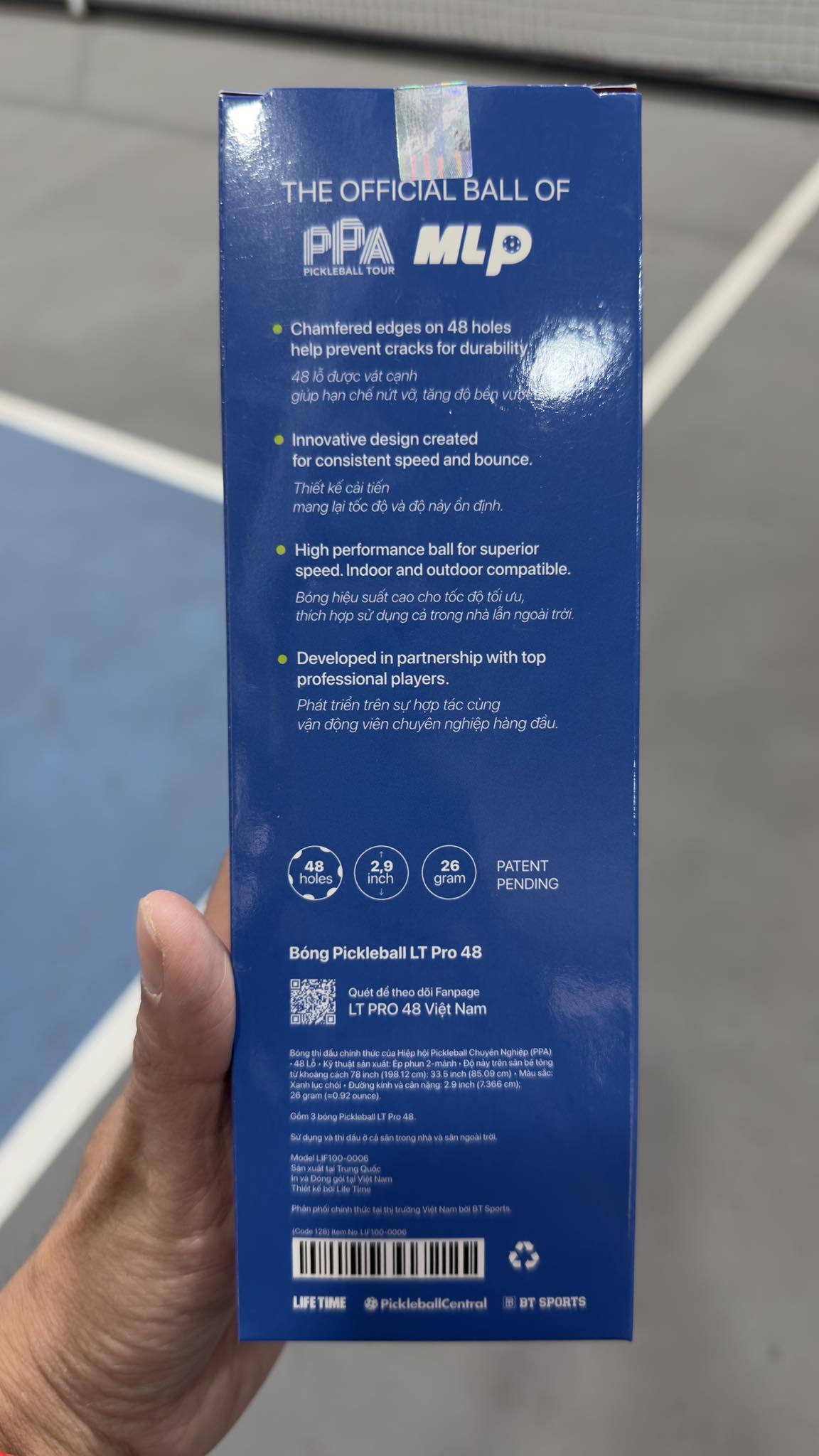
Information printed on the box of three balls.
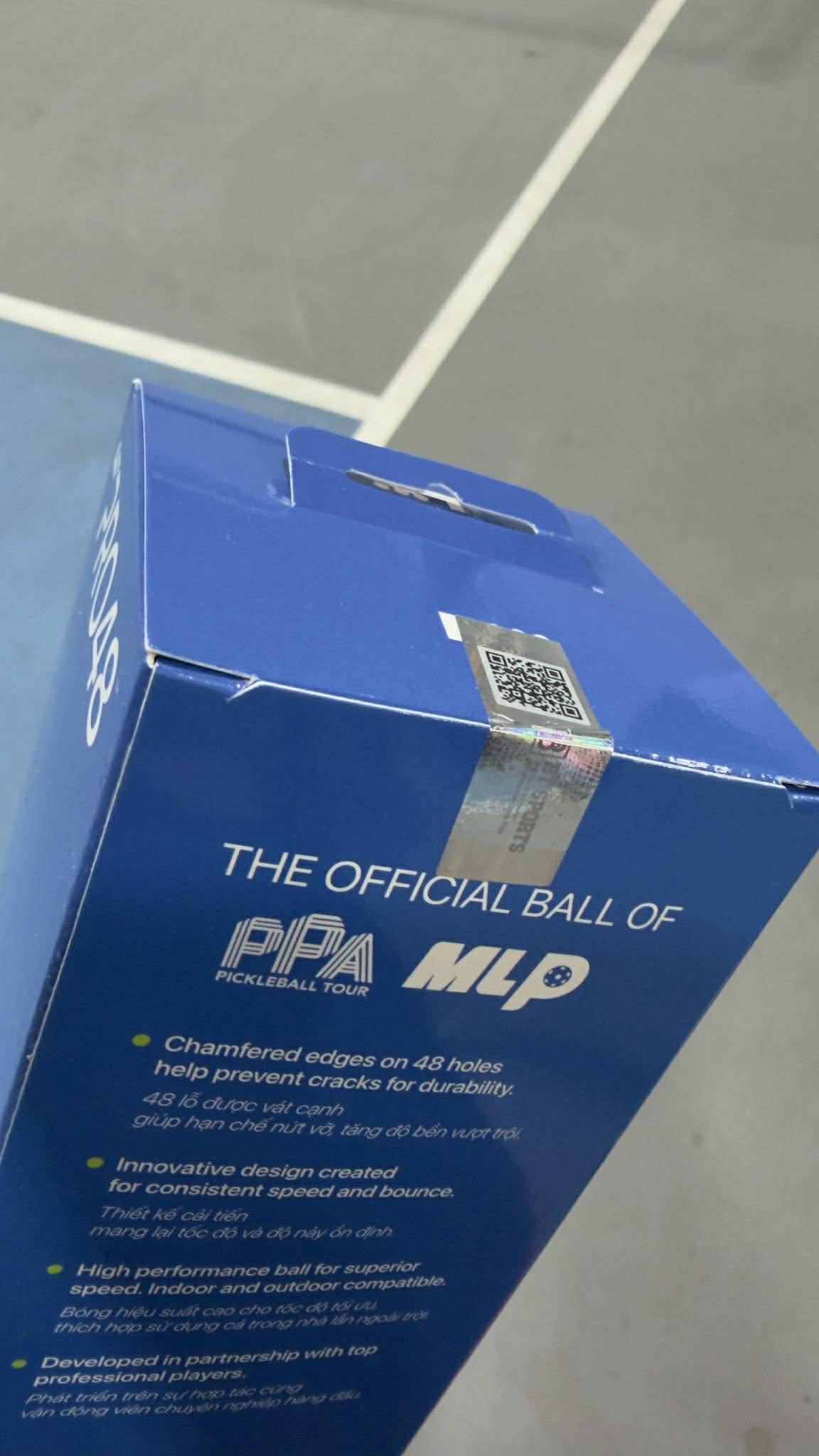
Official distributor stamp from Vietnam.
Remarkably, even when imported simultaneously, the two types of balls exhibit noticeable differences.
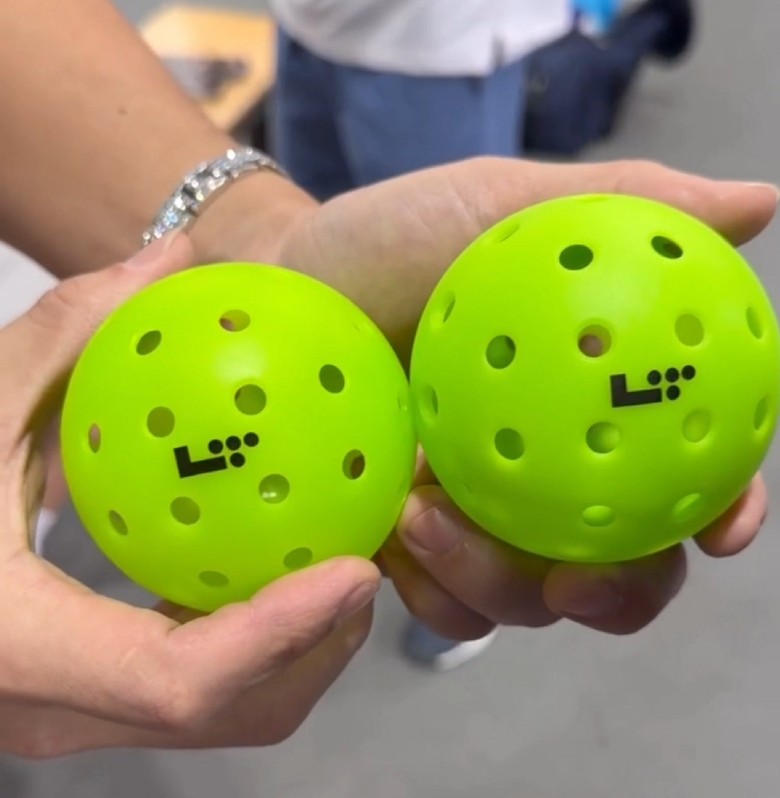
The ball on the left is directly imported, while the one on the right is purchased through the official distributor.
These discrepancies have sparked suspicions within the pickleball community. Are these variations merely due to different production batches, or do they indicate substandard or counterfeit balls?
The discussion continues to gain momentum among players. Amid these concerns, pickleball enthusiasts eagerly await clarification from relevant parties to dispel any unwarranted market misconceptions.
The Complete Overview of the Hoang Cau – Voi Phuc Ring Road 1 Before Technical Clearance

In the lead-up to the technical clearance day, construction progress on the Hoang Cau – Voi Phuc section of Ring Road 1 has been accelerated, with the vital thoroughfare’s outline now distinctly taking shape.
15-Year Transformation: National Highway 1A Van Dien – Ngoc Hoi Upgraded to 8-Lane Boulevard

After more than 15 years, National Highway 1A, spanning from Van Dien to Ngoc Hoi, has finally reopened, transformed into an expansive 8-lane boulevard. This significant upgrade not only alleviates traffic congestion but also revitalizes the southern gateway of Hanoi, marking a transformative change in its landscape.
Hanoi Grants Approval for Mixed-Use High-Rise Development at 9 Pham Hung

Hanoi has granted permission to Eresson Electromechanical JSC to rezone 4,950 square meters of land at 9 Pham Hung Street, Cau Giay District, for the development of a mixed-use building. This project will encompass office spaces, commercial services, residential apartments, and a hotel.
Proposed Expansion of QL1 from Ba Dinh to Phu Xuyen: From 40m to 90m Wide

The Hanoi Department of Construction has issued a document requesting relevant departments and units to conduct surveys and assessments for the expansion of National Highway 1, from Ba Dinh to the border of Ninh Binh, to a width of 90 meters under a Public-Private Partnership (PPP) model.
Unveiling Hanoi’s $360 Million Investment: Closing the Loop on Ring Road 2.5 with Three Major Routes

With a total investment of approximately VND 8,400 billion, the construction of the Ring Road 2.5 project, spanning three sections totaling over 2.2 kilometers, is slated for completion and operation by Q4 2026.