








From the “Price Valley” to the New Focal Point Riding the Wave of Investment Shifts
For many years, when referring to Hanoi’s real estate map, investors often prioritized the Eastern and Western regions—areas known for rapid urbanization, large supply, and the presence of mega-urban complexes spanning hundreds to thousands of hectares. In contrast, the southern areas of Hanoi, such as Thuong Tin, Thanh Tri, and Phu Xuyen, were often considered slow-developing and less attractive in the short term.
However, this very “lag” is creating an intriguing paradox. While land resources are increasingly scarce and input costs are rising, narrowing the price increase margins in early-developed areas, Thuong Tin maintains significantly lower prices compared to the general market. Thanks to its vast land reserves and urban expansion potential, Thuong Tin is in the early accumulation phase of a new cycle—where prices have yet to surge, but growth drivers are gradually forming.
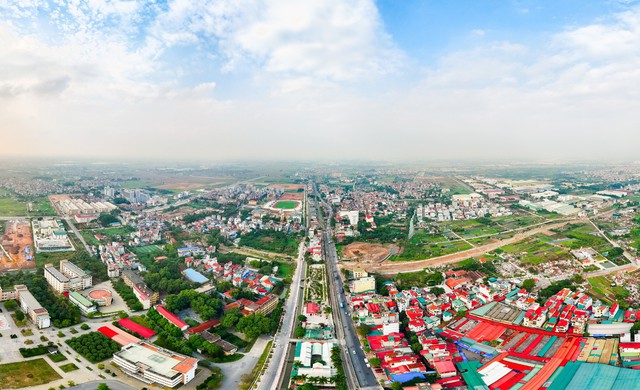
Thuong Tin converges a series of national “strategic” transport infrastructure projects
In recent years, the southern market has begun to “heat up” with the simultaneous implementation of numerous key infrastructure projects. Notable examples include the Ring Road 4 – Capital Region with a total investment of over VND 85,000 billion, expected to complete its basic phase next year; the expanded Phap Van – Cau Gie Expressway; the upgraded National Highway 1A; and the Ngoc Hoi Super Station—a national railway hub and part of the North-South high-speed rail network.
According to planning experts, this phase fully converges the TOD (Transit Oriented Development) and TOC (Transit Oriented Corridor) models. While TOD focuses on developing urban spaces around transit hubs to encourage public transport use, TOC represents an advancement in planning philosophy. TOC not only focuses on transport infrastructure but also emphasizes creating vibrant, connected, multi-functional communities with local cultural identities.
Project Selection: A Balance of Location and Cash Flow Potential
Within the same growth cycle, not all projects yield the same price increase margins. In reality, the determining factors include not only the region but also the core location, infrastructure connectivity, and the ability to form a livable urban environment—where residents, commerce, and sustainable cash flow coexist.
A standout in this landscape is Him Lam Thuong Phuc Legend, a project hailed by experts as one of the rare highlights within Zone B of the Vinhomes Olympic Sports Mega-City—a complex spanning approximately 16,000 hectares. Being part of this large-scale urban ecosystem allows the project to directly benefit from the resident population, amenities, and economic-commercial activities that develop over time. According to the approved plan, Zone B covers about 4,560 hectares with a population of around 285,000. This area is the focal point for sports urban development and service urban areas linked to the Sports Complex (an international-standard stadium).
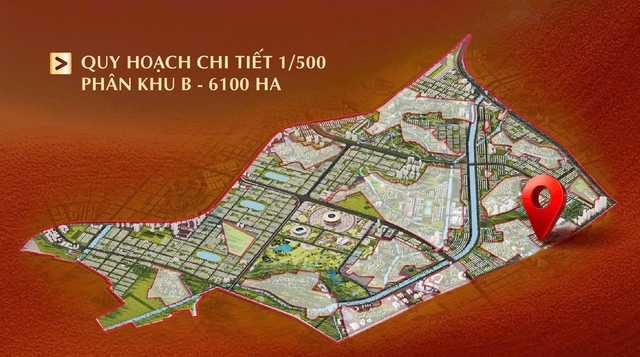
Him Lam Thuong Phuc Legend is located in the core of Zone B—the largest sub-zone of the Olympic Sports Mega-City
In terms of infrastructure, the project enjoys a rare advantage, situated at the intersection of strategic southern capital development axes: Ring Road 4 – National Highway 1A – Phap Van – Cau Gie Expressway. Notably, it is just 2 km from the Ngoc Hoi Super Station. This location promises significant potential for transit, logistics, commerce, and services. Research by Savills and JLL in developed markets shows that properties within a 3 km radius of major transport hubs like metro stations or high-speed rail stations often see price increases of 20–40% compared to surrounding areas once infrastructure is operational. This trend has been proven in Asian countries such as Japan, China, and South Korea.
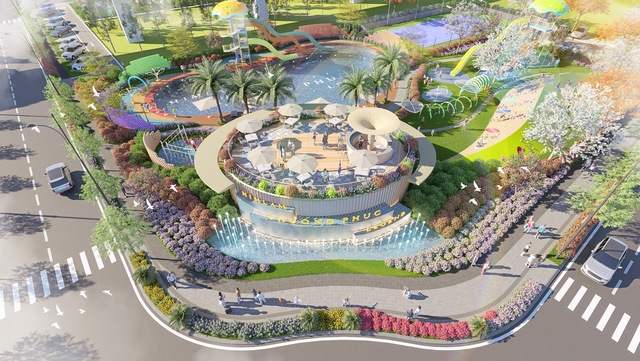
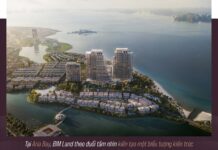
Perspective of Him Lam Thuong Phuc Legend project
In the early stages of a new growth cycle, location remains the decisive factor. Situated at the intersection of strategic development axes, Him Lam Thuong Phuc Legend boasts rare advantages in connectivity, ecosystem integration, and the potential to form a livable urban environment. The Ly Tu Tan – Nguyen Vinh Tich boulevard axis is also gradually forming a complete connectivity network, opening up significant opportunities for business, rental, and service activities.
As national and regional infrastructure projects are completed, the medium- and long-term price increase potential of Him Lam Thuong Phuc Legend becomes increasingly clear. For forward-thinking investors, early participation can offer a significant advantage over waiting for the market to heat up, especially during this transformative period for the nation.
Won Direct Real Estate Development JSC – Exclusive Consultant and Developer of Him Lam Thuong Phuc Legend
Headquarters: 7th Floor, Artemis Building, 3 Le Trong Tan, Phuong Liet, Hanoi.
Website: https://himlamthuongphuclegend.vn/
Hotline: 0986.556.580
“Panic Selling” Emerges as FOMO Investors Cut Losses After Market Peak
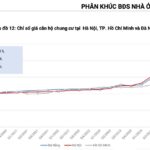
Real estate experts reveal that secondary market apartment prices in Hanoi have surged dramatically over a short period, with many areas seeing increases ranging from hundreds of millions to billions of Vietnamese dong per unit. However, this upward trend is showing signs of slowing down toward the year-end, as some investors who bought during the peak frenzy due to FOMO (fear of missing out) are now listing their properties at a loss.
West Thang Long Opens to Traffic: Opportunities for Investors and Homebuyers?
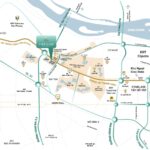
West Thang Long Avenue (the section through Tu Liem) is nearing its final stages, poised to become a strategic transportation artery connecting Hanoi’s core with satellite cities. This milestone not only enhances regional connectivity but also catalyzes the local real estate market. Which key locations stand to benefit most from this transformative project?
Exclusive Living: Hanoi’s Elite Seek Limited-Edition Sky-High Residences

The scarcity of prime land in Hanoi’s city center has led to a dwindling supply of duplex properties in this coveted area. Exclusive projects, characterized by their limited units, central locations, and elite development vision, are now highly sought-after by Hanoi’s affluent elite.
Unveiling the Premier Residential Complex in Alluvia City’s Thermal Mineral Urban Hub
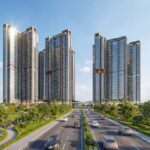
What sets Alumi apart, granting it a unique locational advantage that places it closer to Hanoi’s heart than 85% of the city’s other areas within a radius centered on Hoan Kiem Lake, while also offering a rare natural value system?
Hanoi’s Detached Housing Market: Declining Interest, Yet Prices Continue to Soar
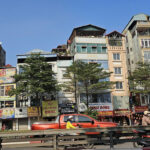
In 2025, as the real estate market enters a recovery phase, the single-family home segment in Hanoi presents a striking paradox: despite a noticeable decline in buyer interest, property prices continue to surge dramatically.