



















The rainy season brings with it the worry of leaks and dampness for many homeowners, which can significantly impact the aesthetics and structure of their homes. Not only does this reduce the lifespan of the building, but it also poses potential health hazards.
So, how can we effectively waterproof our homes during the rainy season? Here are some optimal solutions to consider:
Causes of Water Leaks in the Rainy Season
Leakage occurs when rainwater seeps through cracks and gaps in walls, ceilings, or floor slabs. One common cause is wall cracks, which allow water to penetrate the interior and cause damage and dampness.
A leaky roof, whether due to cracks, breaks, or improper coverage, also contributes to water intrusion. Inefficient drainage systems, such as clogged gutters and pipes, can lead to water stagnation, creating pressure that forces water into walls and floors.
Additionally, improper mortar mixing ratios or the omission of an initial waterproofing layer can make a structure susceptible to water damage.
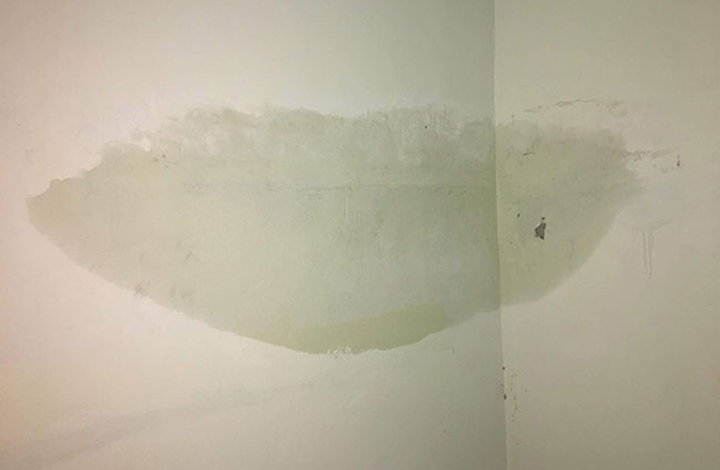
Water intrusion can lead to steel corrosion and reduced building lifespan. (Illustrative image)
Water intrusion can have aesthetic consequences, such as unsightly wall and ceiling stains, and it can also create a breeding ground for bacteria and mold, posing respiratory and allergic health risks.
Waterproofing Solutions for Homes During the Rainy Season
For structures in the design or pre-construction phase, optimizing the structure and choosing the right materials are paramount. In row houses, the lack of space between adjacent buildings can lead to water intrusion. Minimizing gaps and creating a seamless structure is crucial. Architects recommend using cast-in-place concrete for the entire enclosure, including the roof and walls, instead of brick construction.
For completed homes, especially those with exposed rooftops, terraces, or unprotected sides, retrofitting and waterproofing solutions are available. A common approach is to install metal roofing to prevent rainwater from reaching the roof surface, reducing thermal contraction and expansion.
Walls are directly exposed to rainwater, and a popular and effective solution is to apply a waterproofing paint that creates a protective barrier against deep water penetration. For older walls, remove any existing paint, address cracks, and then repaint.
For mildly stained or moldy ceilings, a coat of waterproofing paint should suffice. However, if the ceiling is severely leaking, use specialized materials such as waterproofing adhesives, cement plugs, or fiberglass at the leak points.
For the sides of the house, a simple solution is to clad the walls with metal sheets, bricks, or stones.
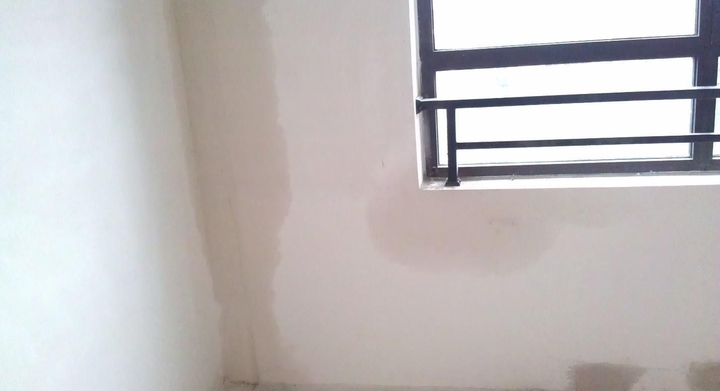
Waterproofing paint is an effective waterproofing solution. (Photo: Son Kenny)
Regular maintenance is crucial to identify and repair cracks and damage. Clean gutters and pipes regularly to prevent blockages and ensure efficient water flow.
According to experts, choosing high-quality products from reputable brands is essential for effective waterproofing. Proactive waterproofing during construction can save costs and ensure the longevity of the building. For severe leakage issues, consult professional waterproofing contractors for comprehensive solutions.
The Perfect Time to House Hunt: Why Rainy Days are Better than Blue Skies

The recent heavy rains have caused widespread flooding in Hanoi, but for homebuyers, this is the ultimate ‘test’ to identify the areas to avoid and the properties worth investing in.
Two National Highways Through Thanh Hoa: Repairs to be Completed in 2024
Upon completion of the maintenance works, the road conditions along National Highways 217 and 45 in Vinh Loc district will be significantly improved, addressing the issue of deteriorating road surfaces and enhancing drainage systems.
Harvest a Windfall with This Once-a-Year Opportunity

Mushroom hunting is a lucrative opportunity that presents itself only once a year. For those willing to put in the effort and with a touch of luck, it can bring in substantial earnings of up to tens of millions of dong.
Long Thanh Airport Construction Continues Through Holidays with 5,000 Workers
With the entire nation taking a well-deserved break for the five-day Labor and Liberation Day holiday, workers on the Long Thanh airport site are racing against time. Over 5,000 engineers and construction workers are working around the clock to meet the project’s demanding deadlines, battling through scorching heat and deploying thousands of vehicles and machinery to complete the project on schedule.