Due to family circumstances, Ms. N.T.H, a worker at a company in Tan Binh Industrial Zone, Ho Chi Minh City, recently submitted a request for a two-month unpaid leave. However, the company denied her request and proposed terminating her contract, offering full compensation and a guarantee to rehire her once her personal matters were resolved. Despite this, Ms. H. feels her rights have been compromised.
Ms. H. is a long-standing employee. When she first joined the company, annual salary increases and skill level upgrades were standard. However, since 2018, the company has shifted its salary structure, now only offering the minimum wage plus skill allowances and monthly productivity bonuses, eliminating annual salary adjustments for workers. Older employees, like Ms. H., retain their previous salary grades, resulting in her base salary being higher than that of employees hired after 2018.
“If I take a leave now and return after two months, I’ll have to start over with a lower base salary. What frustrates me is that another employee was previously granted unpaid leave. Is the company coercing its workers?” she questioned.
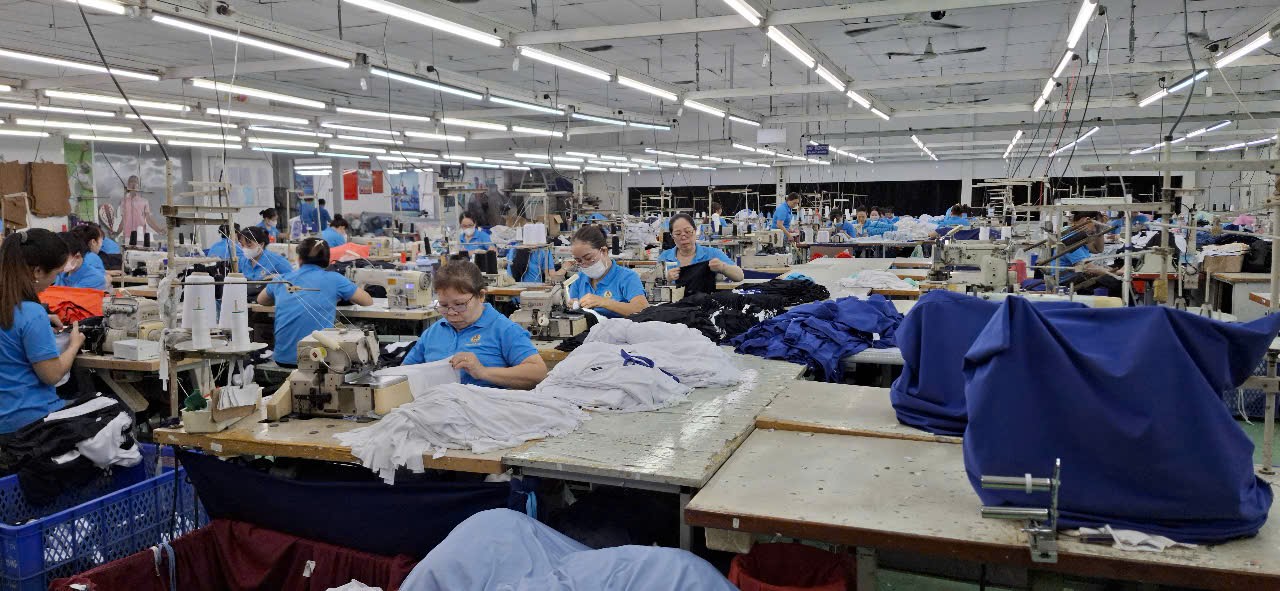
In cases of mutual agreement, employees may take unpaid leave if the employer consents.
Regarding personal leave and unpaid leave, Article 115 of the Labor Code allows employees to take one day of unpaid leave, provided they notify their employer in specific circumstances: the death of a grandparent, sibling, or parent’s remarriage. Employees may also negotiate unpaid leave for other reasons with their employer’s approval.
This means employees can take unpaid leave without a limit on days, provided there is a mutual agreement with the employer. Employers also reserve the right to decline such requests without violating the law.
Inside the iPhone 17 ‘Super Factory’: 200,000 Workers, Overtime, Discrimination, and Delayed Wages?

An undercover investigation at Foxconn’s Zhengzhou factory has exposed harsh working conditions for temporary workers assembling the latest Apple devices.
The Future of Work: Securing Social Protection for Gig Workers

The gig economy workforce, including ride-sharing drivers and online delivery couriers, is currently falling through the cracks when it comes to social safety nets.
8 Teacher Stipends to Get and 5 to Drop in New Salary Schedule

Teachers are given a professional allowances. This helps young teachers to be more motivated to overcome difficulties in order to stay committed to the profession.
Clerical Allowances for Civil Servants from 1-7-2024

While salary reforms are underway, additional allowances such as dual-function allowances, seniority allowances beyond the standard range, regional allowances, and job responsibilities allowances continue to be implemented.