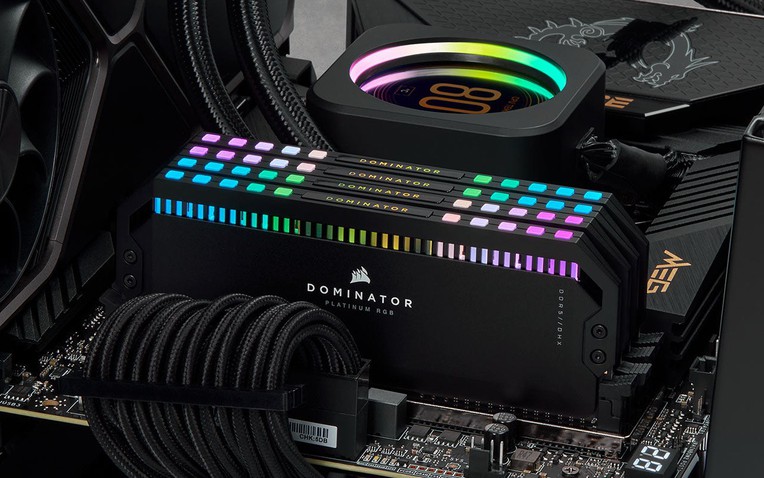
The ongoing memory shortage crisis continues to severely impact the PC industry. According to a report from ZDNet Korea, citing an anonymous source within the supply chain, most PC manufacturers are maintaining old prices solely due to inventory from previous quarters. While end-users haven’t fully felt the impact on laptops or pre-built PCs, manufacturers are operating at a loss to keep prices stable.
The source reveals that even a slight increase in production costs forces adjustments, and with component costs rising by tens of dollars, losses are inevitable. Prices for processors, laptop batteries, RAM, and SSDs have surged, compelling manufacturers to raise prices by at least 20% for 2026 models while phasing out current ones.
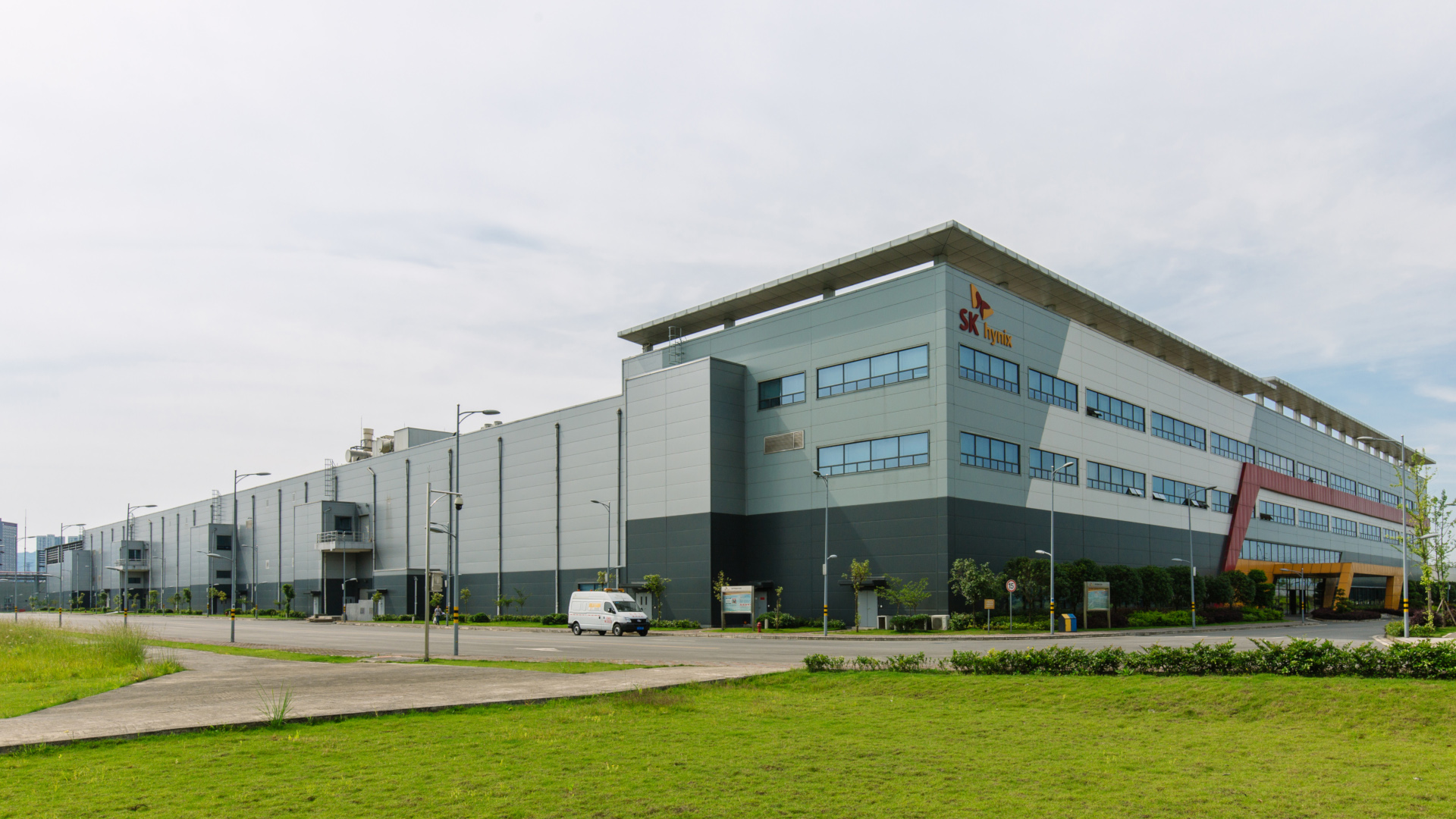
An SK Hynix memory chip manufacturing facility
The primary reason is that Samsung and SK Hynix, the largest DRAM producers, are prioritizing AI segments like HBM and LPDDR. This limits DRAM availability for PCs, forcing manufacturers to accept higher contract prices for priority allocation. Even with funds, DRAM producers prioritize profit maximization, diverting most output to AI applications.
Insiders warn that consumers, especially gamers, should brace for a 20% price hike across new-generation products. This aligns with earlier rumors of upcoming GPU price increases. Devices featuring Intel Panther Lake or AMD Gorgon Point are expected to be significantly more expensive, as manufacturers like ASUS, Acer, and Lenovo deplete their low-cost inventory.
Expanding DRAM production isn’t straightforward. Samsung and SK Hynix fear oversupply risks, remaining cautious. This ensures prolonged shortages and tight RAM supply for the PC industry.
All indicators suggest that building a PC in 2026 will be far costlier than today. If conditions persist, this could become one of the longest price hike periods in PC hardware history.
Global Chip Shortage Forces Smartphone and PC Makers to Consider Price Hikes
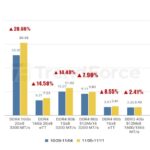
Leading memory manufacturers, including Samsung and SK Hynix, are ramping up production of high-value products to meet the surging demand driven by the AI wave. This strategic shift has significantly tightened the supply of standard DRAM, causing a notable decline in its availability.