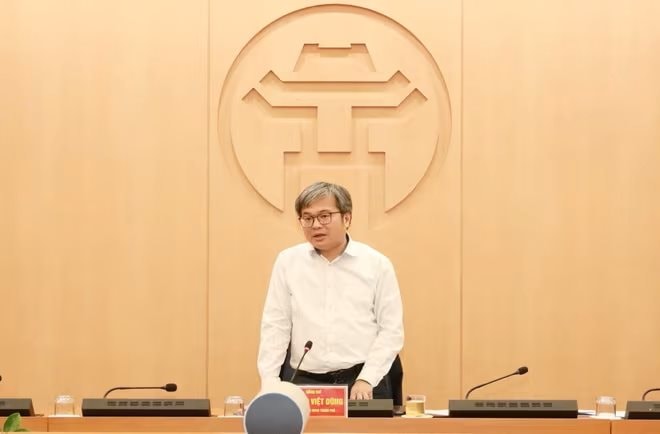
Deputy Chairman of Hanoi People’s Committee, Truong Viet Dung, chaired a meeting with stakeholders contributing to the Hanoi Venture Capital Fund (HVCF). Photo: hanoionline.vn
On the afternoon of December 4th, during a conference led by Deputy Chairman Truong Viet Dung, the launch roadmap for the Hanoi Venture Capital Fund (HVCF) was finalized with major financial institutions and tech conglomerates such as VinaCapital, Viettel, CMC, Sun Group, and BRG.
This initiative solidifies the strategy of using public funds as “seed capital” to catalyze private investment into the innovation ecosystem.
Operationally, HVCF is structured as a Business Cooperation Contract (BCC) under a public-private partnership model, without establishing a new legal entity. Central to its mechanism is a departure from traditional administrative subsidies.
City leaders emphasized Hanoi’s role as an equal partner in the fund, adhering to market principles and embracing risk to pursue returns from innovative ventures.
The capital structure includes a maximum public contribution of 600 billion VND, capped at 49% of the total charter capital. The remainder will be sourced from private investors. To ensure focused governance, Hanoi plans to collaborate with up to six strategic investors. The state’s representative will be a Director-level official from the Department, ensuring accountability and legitimacy.
The feasibility of the venture capital model was highlighted through historical case studies shared at the conference.
A representative from CMC Group cited their 2016 investment in CMC Telecom, when cloud computing was nascent. Their 10% stake and five-year partnership yielded a profit of approximately 100 billion VND upon partial divestment.
Similarly, Elcom’s early-stage investment in VinaGame (VNG) delivered exceptional returns as the startup evolved into a tech unicorn.
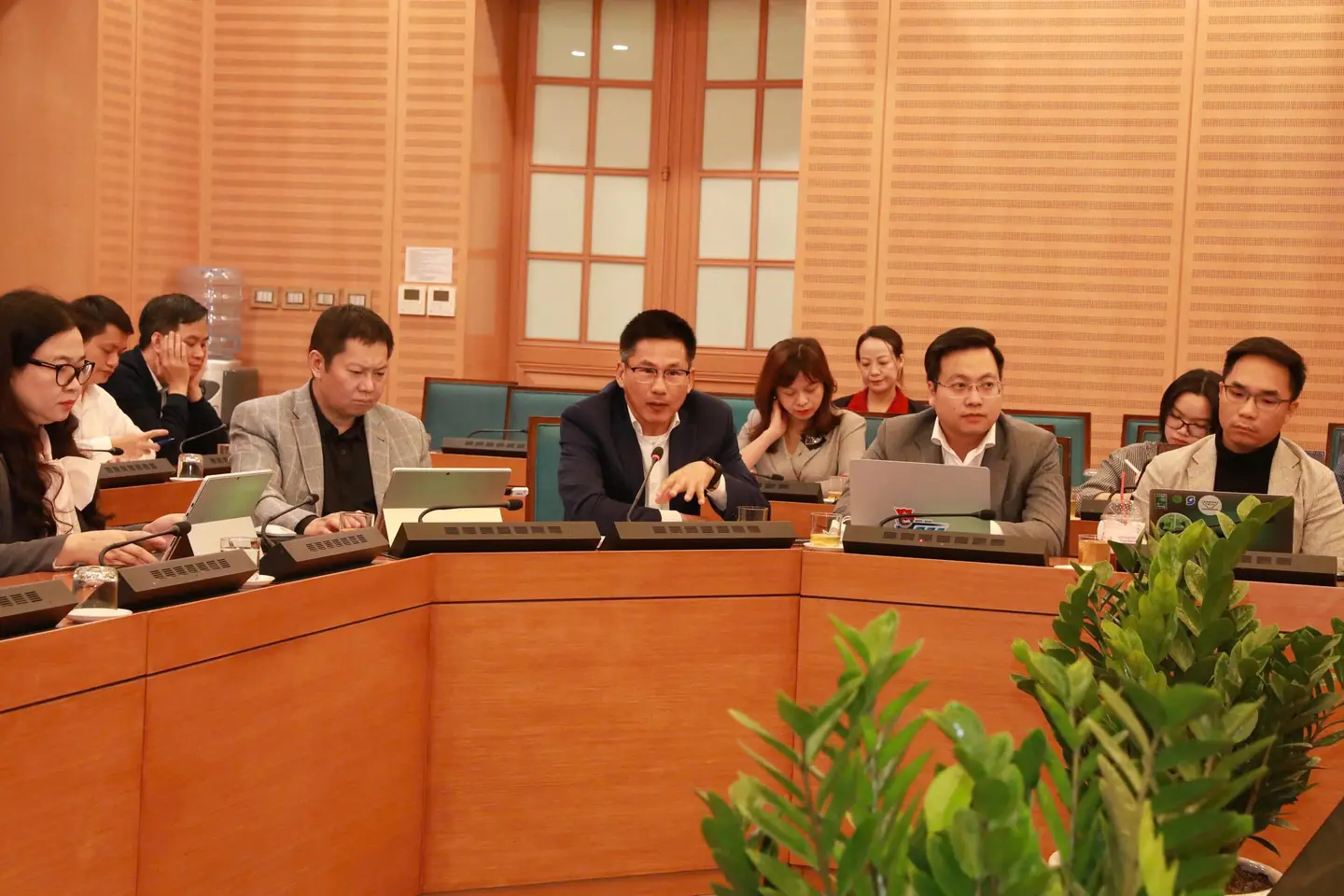
Mr. Hoang Duc Trung, Director of VinaCapital Ventures. Photo: hanoionline.vn
From a professional fund perspective, Mr. Hoang Duc Trung of VinaCapital Ventures praised the creation of a new asset class aligned with international standards as a rare opportunity. However, he noted discrepancies in the draft regulations, particularly the 49% capital contribution cap. Hanoi pledged to refine the legal framework to ensure transparency and attract foreign capital.
The fund will pilot for up to 10 years, investing in 13 priority sectors including education, biotechnology, smart transportation, and urban development. Deputy Chairman Truong Viet Dung stressed Hanoi’s willingness to hold a higher-than-standard capital share to build trust, while rejecting underqualified or unambitious investors. The ultimate goal is not just financial returns but positioning Hanoi as a regional innovation hub.
Prime Minister Concerns Over $2,100-$2,900/m² Apartment Prices, Vietnam Young Entrepreneurs Association Pledges 10,000 Social Housing Units Next Year
The Vietnam Young Entrepreneurs Association has announced that its members will promptly register to submit a report to the Prime Minister regarding the implementation of social housing initiatives.
Selecting High-Speed Rail Investors: Transparency, Not Secrecy
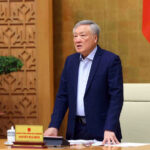
Regarding the selection of units to participate in the North-South high-speed railway project, Deputy Prime Minister Nguyễn Hòa Bình emphasized the need for a fair, objective, transparent, and open evaluation process, stating, “There should be no hidden agendas,” and advocating for candid and open discussions.
Meeting Deputy Prime Minister, FPT CEO Advocates for UAVs, While Hieu PC Proposes National Anti-Fraud Center
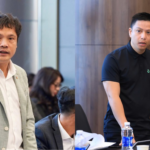
This highlights the key discussions from Deputy Prime Minister Nguyễn Chí Dũng’s meeting with the Vietnam Innovation Network (VIN) and Vietnamese experts, focusing on the strategic development of critical technology sectors.
Venture Capital Funding for Startups: A Snapshot from Da Nang

The venture capital (VC) market has reached a pivotal moment with the issuance of Decree 264/2025/NĐ-CP on National and Local Venture Capital Funds, designed to catalyze private investment, particularly for startups. From the perspective of Da Nang, a dynamic hub for entrepreneurship and innovation, the city is strategically leveraging this new legal framework and its central location in Vietnam to attract and absorb this influx of capital.
Three Bridges Connecting Dong Nai and Ho Chi Minh City with an Investment of Over 40,000 Billion VND

Three major infrastructure projects—the Cát Lái, Long Hưng, and Phú Mỹ 2 bridges—aim to enhance road connectivity between Đồng Nai Province and Ho Chi Minh City. These initiatives, structured under a public-private partnership model, have received approval from the Đồng Nai Provincial People’s Council.