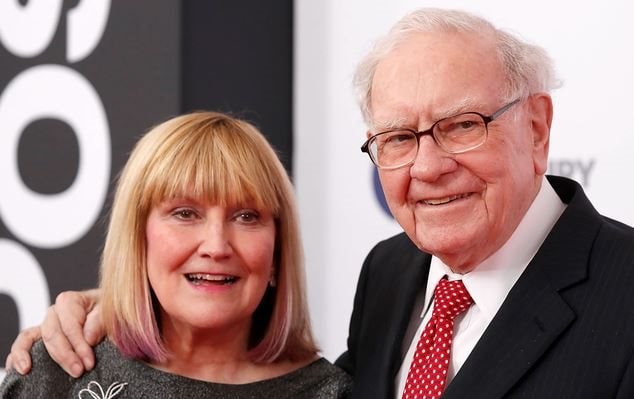
Warren Buffett, renowned as one of the world’s most successful investors, once concealed his identity from his children to prevent them from becoming complacent. As Chairman of Berkshire Hathaway—a conglomerate spanning insurance, investments, manufacturing, transportation, and more—Buffett deliberately kept his wealth and status hidden from his family. His unique parenting approach aimed to shield his children from the trappings of affluence, ensuring they grew up grounded and equal to their peers.
In a 2017 interview, Susan Alice Buffett, his eldest daughter, revealed, “I had no idea my father was wealthy until my 20s. I discovered it by chance in a Wall Street Journal article—it was a startling realization.” For years, Buffett’s children remained unaware of his profession. Even Susan, when asked about her father’s occupation on official forms, would write “Security Analyst” and pretend he inspected alarm systems.
Buffett’s philosophy was clear: “I don’t believe in inherited wealth.” He viewed such privilege as unfair to others. His children attended public schools, rode the bus, and worked part-time jobs for spending money. This humility extended to his lifestyle; he famously resides in the same modest home he purchased decades ago.
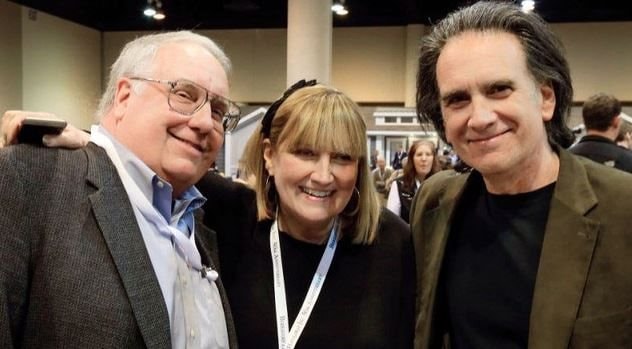
Susan Alice Buffett credits her father’s strict upbringing for her independence. She worked odd jobs from a young age, delivering food and selling newspapers. “He never gave me much money,” she recalled. “He’d simply say, ‘Earn it yourself.’” When she requested a $41,000 loan to renovate her kitchen, he refused, advising, “Don’t borrow from me. Go to a bank like everyone else.” This lesson instilled self-reliance, a value she carries today, knowing her father has pledged 99% of his wealth to charity.
Susan reflects on their unassuming childhood: “He’d go to the office daily, return home for dinner, then spend evenings reading upstairs. Nothing seemed extraordinary.” Buffett’s frugality extends to his car choices; he prefers discounted, repaired vehicles, once prompting Susan to plead, “It’s embarrassing—please buy a new car!” He explained to Forbes, “I drive only 3,400 miles annually, so new cars are unnecessary.”
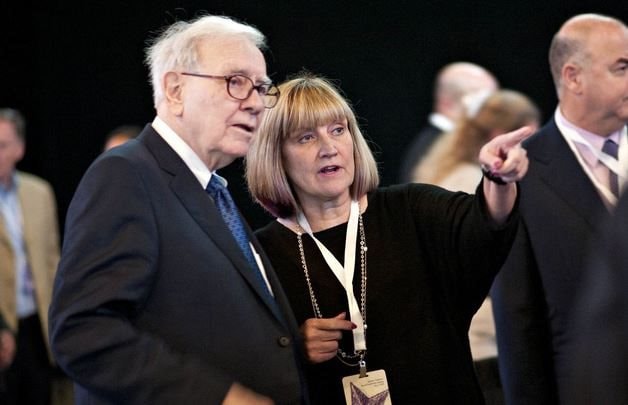
Through humility and purpose, Warren Buffett’s legacy thrives—not in wealth, but in values passed to the next generation. Sources: CNBC, Business Insider
Warren Buffett Unloads Stocks for 12 Consecutive Quarters, Quietly Continues Apple Sell-Off

In the world of finance, Warren Buffett’s silence often speaks the loudest, serving as the most profound warning of all.
The Root Cause of Warren Buffett’s Biggest Investment Failure
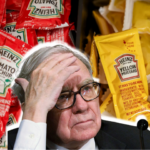
Warren Buffett’s initial investment in Kraft Heinz was hailed as a quintessential move reflecting his signature investment style. Yet, within just a few years, it transformed into the most glaring blemish of his otherwise illustrious career, inflicting massive financial losses and exposing fundamental missteps.
The Great American Real Estate Paradox: Warren Buffett’s Billion-Dollar Bet
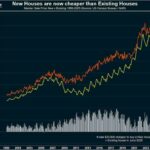
“In a fascinating turn of events, the US housing market is witnessing a unique phenomenon: the cost of new construction homes is dipping below that of previously owned residences. Against this intriguing backdrop, Warren Buffett’s Berkshire Hathaway conglomerate is making waves by investing over $1 billion in residential real estate ventures. This bold move underscores the group’s forward-thinking approach and underscores a potential shift in the industry.”
The Oracle of Omaha: Warren Buffett’s $1.57 Billion Bet on a Loss-Making Company’s Potential
The information had an immediate and powerful impact on the market.
“The Young Investor’s Guide to Warren Buffett’s Wisdom”
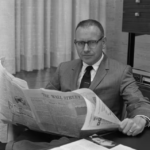
The legendary investor’s early bets reveal three standout qualities: a dedication to research, patience in waiting for the right opportunity, and a bold approach to seizing it.