








Once upon a time, parking spaces in many high-end apartment complexes in Hangzhou and Wuhan, China, were considered “hot assets,” fetching prices of hundreds of thousands of yuan. However, just a few years later, prices in many projects have plummeted, with some dropping by up to 80%, and current listings starting at just 20,000 yuan (approximately $2,700).
Yang Hua, a resident of the Tianjue Huating complex in Hangzhou, recalls the project’s launch in 2021. At the time, the demand was so high that buyers needed an impressive social security record to participate in the lottery. The listed price for a parking space reached 500,000 yuan (around $68,000).
With two cars, Yang initially planned to spend nearly a million yuan on two spaces. However, following a friend’s advice, she decided to wait. This decision saved her from a significant loss, as prices have now dropped to 170,000–250,000 yuan (approximately $23,000–$34,000).
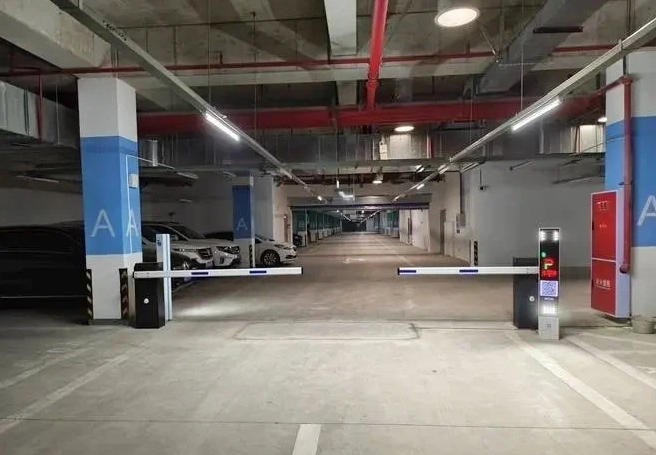
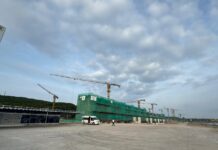
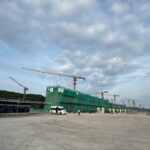
Parking garage at Shenhua Tianjue Huating
“Thankfully, I didn’t listen to my husband and buy at the peak; otherwise, we’d be losing more than half our investment,” she says. Currently, Yang opts to rent guest parking spaces for 600 yuan monthly. She calculates that renting is a wiser choice than investing in a depreciating asset.
Similar declines are observed in other Hangzhou complexes. A resident of the Zizhangtai project noted that parking spaces once listed at 280,000 yuan (over $38,000) are now priced at just over 80,000 yuan (nearly $11,000). At auctions, many lots in the Tan Ying Li project remain unsold despite prices being halved.
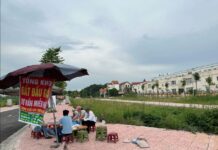
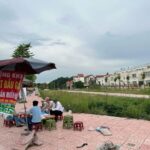
In Wuhan, the decline is even more pronounced. In the Zhengrong Fu complex (Hanyang District), signs advertising parking spaces for 20,000 yuan are ubiquitous, accompanied by loudspeakers promoting the sales throughout the day.
Resident Zhu, who purchased a space early on for 150,000 yuan, now sees similar spaces priced at 20,000 yuan (over $2,700). “I’ve decided to buy an additional space at the lower price to average out my losses,” she shares, half-jokingly.
Pan, a sales manager, explains that these “fire-sale” prices stem from developers’ cash shortages, forcing them to settle debts with contractors by offering parking spaces. Contractors, eager to recover funds, are slashing prices.
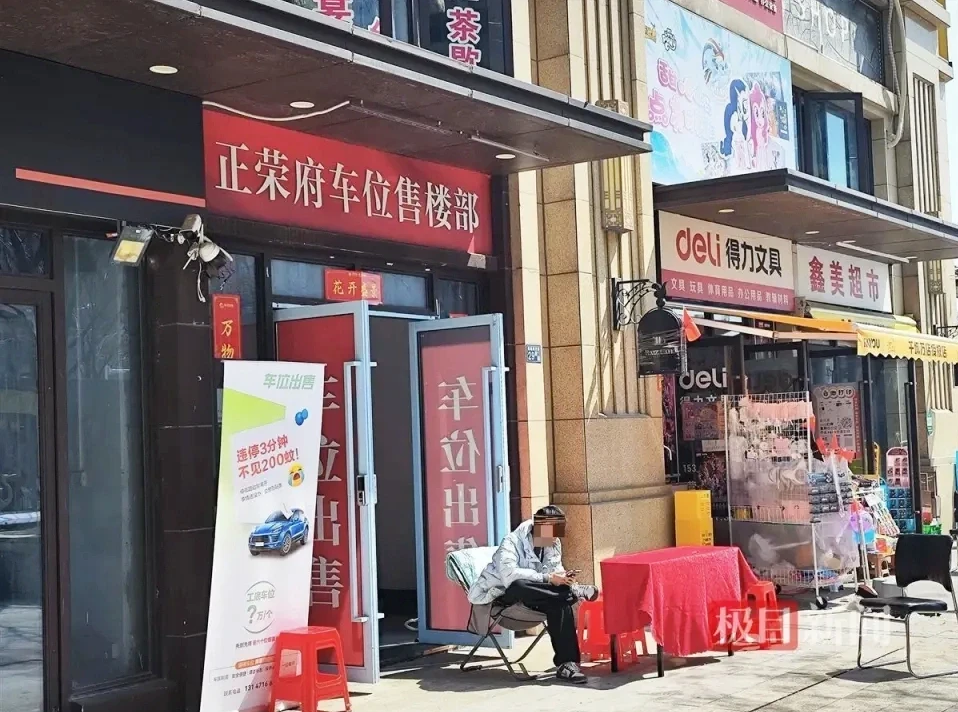
Parking space for sale at 20,000 yuan (over $2,700)
Tensions have arisen due to these price disparities. In Linping, Hangzhou, conflicts erupted when management barred non-purchased vehicles from the garage, while residents insisted on renting rather than buying to avoid losses. “Neighbors who bought spaces for over 100,000 yuan are now struggling to sell them for a fraction of that. Who would invest in this market now?” one resident remarked.
Early buyers are frustrated by the rapid depreciation. Recently, a Zhejiang Province complaint platform acknowledged a case where a 2023 parking space purchase of 240,000 yuan was devalued to 140,000 yuan within a year. Unlike previous complaints, authorities deemed this case “eligible for investigation,” offering hope for protecting early buyers’ rights.
Experts attribute the root cause to oversupply. New complexes often allocate 1.2 parking spaces per household, yet actual occupancy rates are low. Coupled with cash flow pressures, developers and contractors are forced to sell at market rates, correcting previous price inflation.
Turmoil at Chinese Real Estate Giant Vanke: $50 Billion Debt Crisis Forces Chairman’s Resignation After Less Than a Year in Office
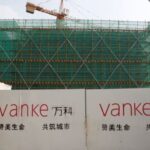
China Vanke, a real estate titan and one of the industry’s leading players, has once again found itself at the center of a significant development.