












Real estate is no longer solely judged by its scale or location but by its ability to retain value, meet genuine living needs, and appreciate in sync with urban development cycles.
Economic currents reshape the luxury real estate landscape
According to Savills Vietnam, the period 2025–2035 marks a pivotal decade for Vietnam’s economy, transitioning to productivity-driven growth, high value-addition, and quality capital inflows. This shift coincides with a unique blend of stable economic growth, a young population, policy reforms, and large-scale infrastructure investments, laying the groundwork for sustainable growth.
Crucially, this evolution is reshaping consumer behavior, with a rapid rise in the middle-to-upper class and high-skilled labor in major cities.
In this context, real estate remains a vital asset allocation and preservation channel. Savills Hotels Southeast Asia representatives note that as the middle-to-upper class expands, housing demands shift from mere ownership to spaces reflecting personal style, values, and quality experiences.
Experts agree that Vietnam’s Emerging Affluent—young middle-to-upper class—will drive real estate demand in the next decade, projected to reach 30–34 million by 2030 (Boston Consulting Group). This group’s purchasing power, long-term consumer mindset, and high living standards make them a dominant market force.
For them, homes are not just for living but core assets that meet high living standards and serve as long-term wealth accumulation vehicles aligned with economic and urban growth.
West Tay Ho – Hanoi’s luxury real estate core
As growth drivers materialize, value converges on “core areas” where infrastructure, planning, and land create asset security. In Hanoi, West Tay Ho and the Red River waterfront are rare zones with established luxury real estate value. Batdongsan.com.vn data shows Ciputra’s low-rise homes appreciating 24% annually, reflecting value driven by fundamentals like location, infrastructure, community, and land scarcity, not short-term speculation.
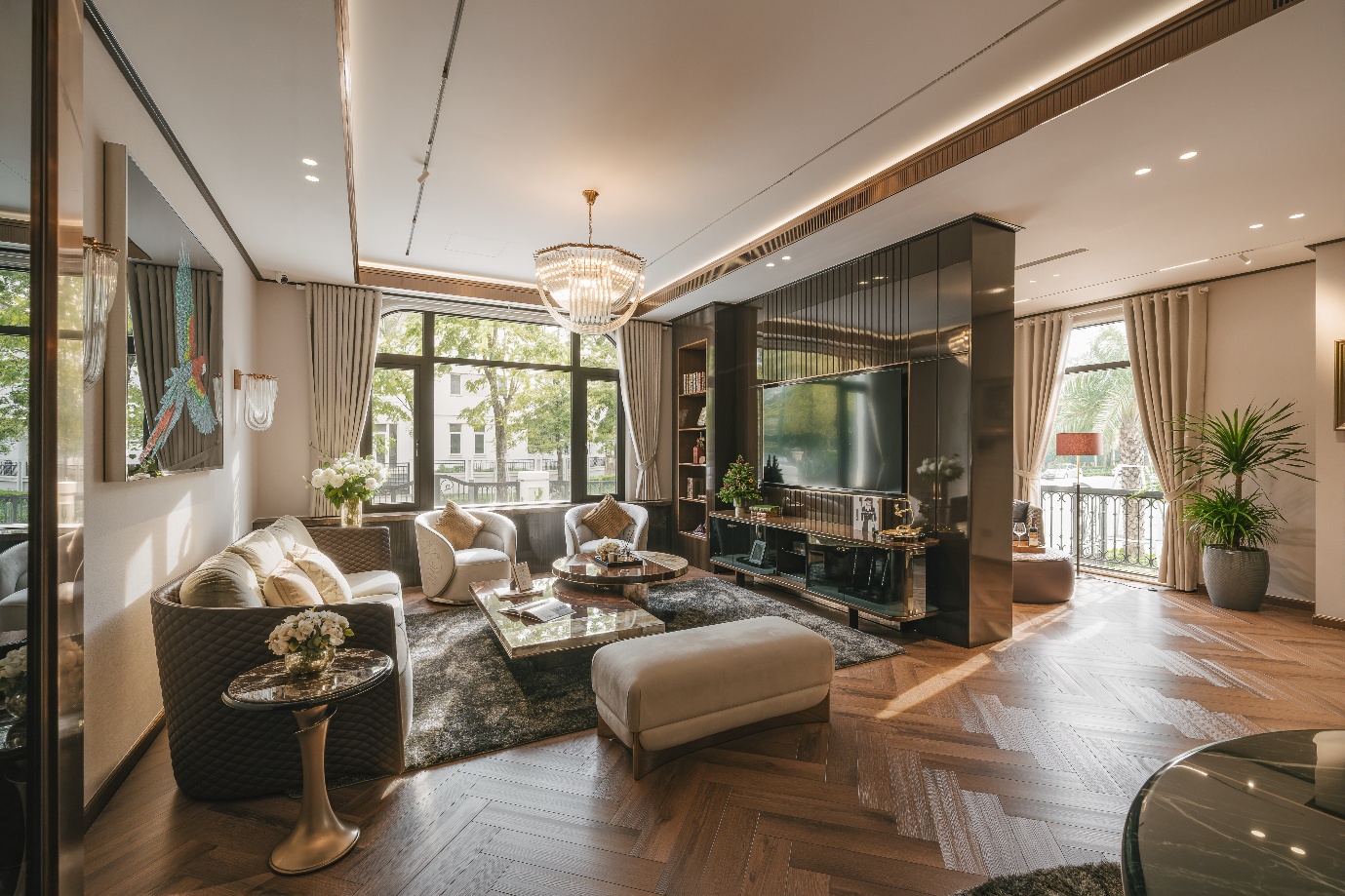
Located in West Tay Ho, GIA22 – GIA by KITA offers limited units with complete legal documentation.
With low-rise supply dwindling, projects like GIA22 – GIA by KITA, strategically located, legally compliant, and well-positioned, are gaining market attention. Situated in West Tay Ho, GIA22 combines three spatial values: proximity to Ciputra’s elite community, the Red River’s eco-axis, and a 65-hectare park. This blend fosters a naturally immersive environment, balancing urban connectivity with open green and water spaces.
The project’s 164 limited villas ensure privacy and foster a like-minded community. Its architecture embraces selective minimalism, emphasizing proportions, spatial rhythm, and harmony with nature. Natural light, ventilation, and intentional pauses create understated elegance.
Amenities follow an “inward-focused” philosophy, offering intimate spaces for reflection and connection, embodying quiet, enduring luxury. GIA22’s complete legal framework bolsters confidence for both homeowners and long-term investors.
As the economy grows and real estate restructures, projects like GIA22, with robust development, genuine living appeal, and long-term value, will lead the market. They are not just elite residences but strategic assets in the new investment cycle.
Dr. Can Van Luc: Six Key Factors Driving High Property Prices, Including Widespread Price Manipulation and Speculation

Renowned economist Dr. Cấn Văn Lực highlights a pressing issue: the soaring prices of real estate and land, which have become a significant concern in the current market.
Two Noble Crystal Projects by Sunshine Group Honored at the “Liveable Projects” 2025 Awards
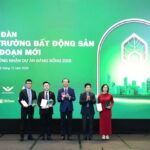
Two prestigious projects from Sunshine Group’s Noble Crystal collection have been honored in the “Promising Project” category at the 2025 “Livable Project” Awards, held on December 25th in Hanoi.
Contrasting Fates of Ho Chi Minh City’s Largest Land Projects: Vinhomes Surges Ahead with $1.1B Investment and Rapid Development, While Lotte Remains Stalled

While Vinhomes Can Gio spans an impressive 2,900 hectares, with land payments completed and development in full swing, Thu Thiem Eco Smart City remains stagnant at less than 8 hectares. Despite land prices exceeding 200 million VND per square meter, the project shows no signs of progress.
Proposed Addition of Five Metro Lines to Ho Chi Minh City’s Special Mechanism

The Ho Chi Minh City People’s Committee has proposed five new metro lines to the People’s Council for approval. These lines will connect the city to Long Thanh Airport, Thu Dau Mot, and Vung Tau, significantly expanding the urban rail network and fostering regional development.
Riverside Watermelon – The Ultimate Customer Magnet in Hai Duong’s Historic City Center
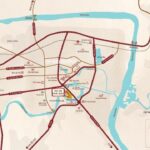
Following the merger of Hai Duong and Hai Phong City, the infrastructure for economic development planning has been significantly enhanced.