“It would be better for them if they did,” U.S. President Donald Trump stated in a Reuters interview on January 14th, when asked if his administration supported Venezuela remaining in the oil alliance.
“I don’t know if it’s better for us… but they’re a member of OPEC, and we haven’t discussed that with them,” Trump added.
Venezuela, a founding member of the Organization of the Petroleum Exporting Countries (OPEC), holds the world’s largest crude oil reserves but has seen production plummet in recent years due to economic instability and sanctions. Trump has sought to control Venezuela’s oil supply after the U.S. ousted President Nicolás Maduro in an earlier campaign this month.
The Trump administration has indicated it needs indefinite control over Venezuela’s oil resources while working to rebuild the country’s oil industry and pressure the Caracas government.
When asked if Venezuela, under U.S.-influenced oil policies, would adhere to OPEC’s production quotas, Trump said the question was premature. “I don’t need to worry about that right now, because, you know, I’m not involved with OPEC at all,” he remarked.
U.S. control over Venezuela’s oil industry and future investments to boost capacity could position Caracas in conflict with other OPEC members. OPEC is a coalition of oil-producing nations that collaborate on supply policies to stabilize the oil market—cutting production when prices fall and increasing it when demand rises.
While members make collective decisions, Saudi Arabia, the world’s largest oil exporter, is considered the de facto leader due to its superior production capacity and ability to adjust supply significantly.
In recent interviews, White House aides and external advisors told Reuters that Venezuela’s OPEC membership had never been discussed. They noted the situation could become a flashpoint if Trump seeks to increase oil output while OPEC aims to cut production to support prices. This could potentially align U.S. goals against the alliance’s strategy.
Some OPEC members seeking to expand oil production are often constrained by the alliance’s quota system, which sets production limits to stabilize global prices. Countries like Iraq, Nigeria, and Angola have previously expressed frustration that quotas prevent them from maximizing their oil reserves or meeting domestic financial needs.
Source: Reuters
U.S. President Threatens Tariffs on Countries Trading with Iran
U.S. President Donald Trump has issued a stark warning: any nation engaging in trade with Iran will face a 25% tariff on transactions with the United States. This announcement comes as Washington deliberates its response to the escalating anti-government protests sweeping across Iranian cities.
America’s Extreme Thirst for This Metal – Not Gold, Not Silver
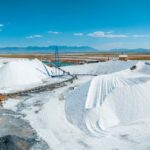
The Trump administration is leveraging tariffs and industrial policies to rapidly expand domestic production of this critical metal and reduce reliance on foreign sources.
China Hunts for Discounted Asian Oil, Securing $10/Barrel Deals Beyond Russia and Venezuela
China is ramping up its crude oil purchases from this nation, securing the deepest discounts among all available supply sources.
What Other ‘Gold Mines’ Does Venezuela Hold Beyond Its 303 Billion Barrels of Oil?
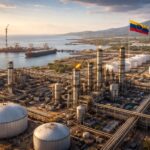
Venezuela is renowned for boasting the world’s largest crude oil reserves, yet this South American nation harbors a wealth of untapped natural treasures beyond its petroleum dominance.
U.S. Issues Official Announcement
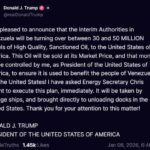
President Donald Trump announced that Venezuela will supply the U.S. with 30 to 50 million barrels of oil. The revenue generated from selling this oil will be utilized for the benefit of both the Venezuelan and American people.