A quick scroll through Facebook reveals countless pages and groups selling Cordyceps sinensis (Ophiocordyceps sinensis) with enticing claims of high-quality, locally cultivated products from Lai Chau, promising health benefits and eternal youth.
Posing as a buyer, VTC News contacted a seller advertising Cordyceps online and received a quote of VND 350,000 per kilogram. The seller assured the quality was excellent and offered a lower price due to bulk sales.
When asked about the source, the seller provided vague answers: “Locally cultivated,” “directly from the farm,” and “no middlemen involved, hence the lower price.” However, crucial details such as cultivation processes, quality testing, active ingredient levels, and food safety certifications were notably absent.
For sellers claiming to have their own cultivation facilities, the price of freeze-dried Cordyceps ranged from VND 2.5 million to VND 3.8 million per kilogram.
Fresh Cordyceps was also available at VND 25,000 to VND 35,000 per 200-gram box, with a 20-day refrigerator shelf life. Sellers of fresh Cordyceps revealed that retailers buy in bulk at lower prices and resell at VND 80,000 to VND 120,000 per box.
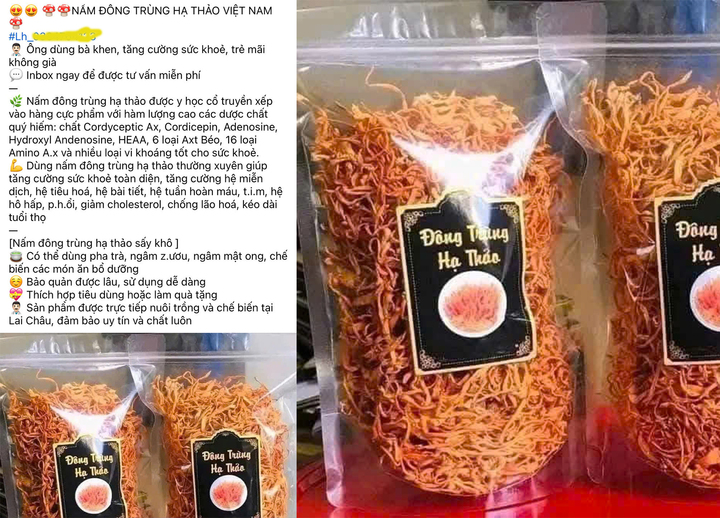
Cordyceps advertised as a miracle cure at just VND 350,000 per kilogram (screenshot).
In contrast, a survey by VTC News found that reputable vendors list fresh Cordyceps at VND 5 million to VND 20 million per kilogram, with dried Cordyceps reaching up to VND 80 million per kilogram.
According to traditional medicine practitioner Nguyễn Biên Thùy, even cultivated Cordyceps involves high production costs. The process requires sterile environments, precise temperature and humidity control, and months of cultivation. Additionally, rigorous testing is necessary to ensure the biological value of the active ingredients before market release.
The unusually low prices of some Cordyceps products raise red flags, defying the production norms and true value of this medicinal ingredient. Many cheap products are not genuine Cordyceps but ordinary thread-like fungi, biomass-cultivated mushrooms, or visually deceptive imitations.
“The current challenge is that consumers cannot distinguish genuine Cordyceps from counterfeits with the naked eye, and online sales lack strict oversight. With a few appealing images and vague promises of ‘reliability,’ sellers can easily reach thousands of customers,” analyzed Practitioner Thùy.
More alarmingly, Cordyceps is widely used for health supplementation and disease support, especially among the elderly and those with pre-existing conditions. Consuming products of unknown origin and untested quality poses significant risks.
Improperly cultivated or processed Cordyceps may contain microorganisms, heavy metals, or chemical residues. “With abnormally cheap products, the greatest risk lies in uncontrolled ingredients and safety. Users may not only fail to gain health benefits but also face adverse effects like digestive disorders, allergies, or long-term liver and kidney damage,” warned Practitioner Biên Thùy.
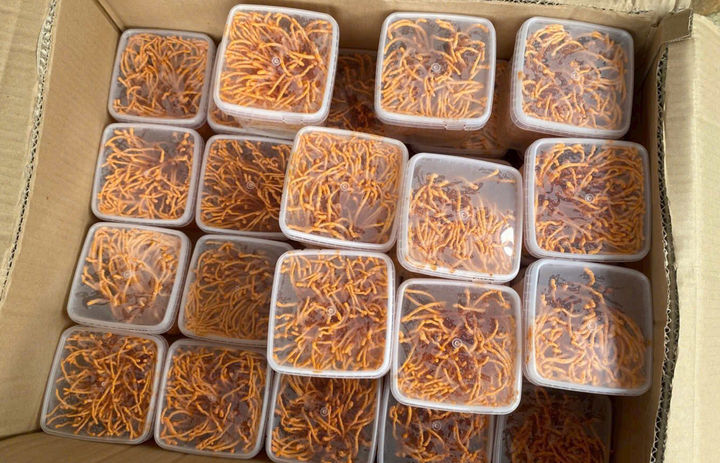
Fresh Cordyceps sold in bulk at VND 25,000 – 35,000 per 200-gram box.
Experts note that some facilities, driven by profit, may harvest prematurely, use improper drying techniques, or mix in other ingredients to increase volume. Such products lose their medicinal value but are still falsely marketed as “miracle cures.”
Given the prevalence of cheap Cordyceps, healthcare professionals urge consumers to exercise caution. Health product choices should not be based solely on price or advertising claims. Instead, focus on verified origins, reputable manufacturers, testing documentation, and specific usage guidelines.
A Million-Dollar Spice So Rare Globally Yet Abundant in Vietnam: 31 Countries in Constant Pursuit, with Over 3,000 Tons Exported Annually
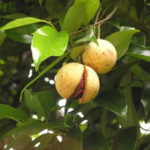
Since the beginning of the year, Vietnam has reaped over $25 million from this heavenly treasure.
The World’s Most Expensive Spice, Now Grown in Abundance in Vietnam.
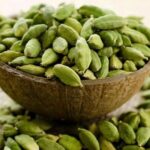
The spice known as the “Queen of Spices” is the third most expensive spice in the world. A mere kilogram of this precious seasoning can retail for a staggering $90 (approximately 2 million VND).
“Stress-Busting Superfruit: How This 1,000sqm Garden Yields a Monthly Windfall”
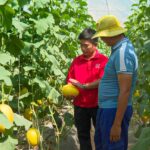
Local farmers are continuously expanding the cultivation of this fruit.
The Only Place with 55-Degree Salty Hot Mineral Springs in Vietnam: Ranked Top 3 in the World for Bromine Content
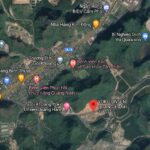
“This geothermal saline spring is an extraordinary phenomenon, a rare treasure as experts suggest. A unique wonder, this spring is believed to be one of a kind, offering a distinctive experience unlike any other.”
“A Discarded Fish By-Product is Now a Lucrative Export: Bringing in $50 Million Since the Start of the Year, This Delicacy is a Blood-Boosting, Kidney-Benefiting Superfood”
“Fish maw is a delicacy and one of the most expensive dried seafood products in the world, particularly prized by the Chinese.”