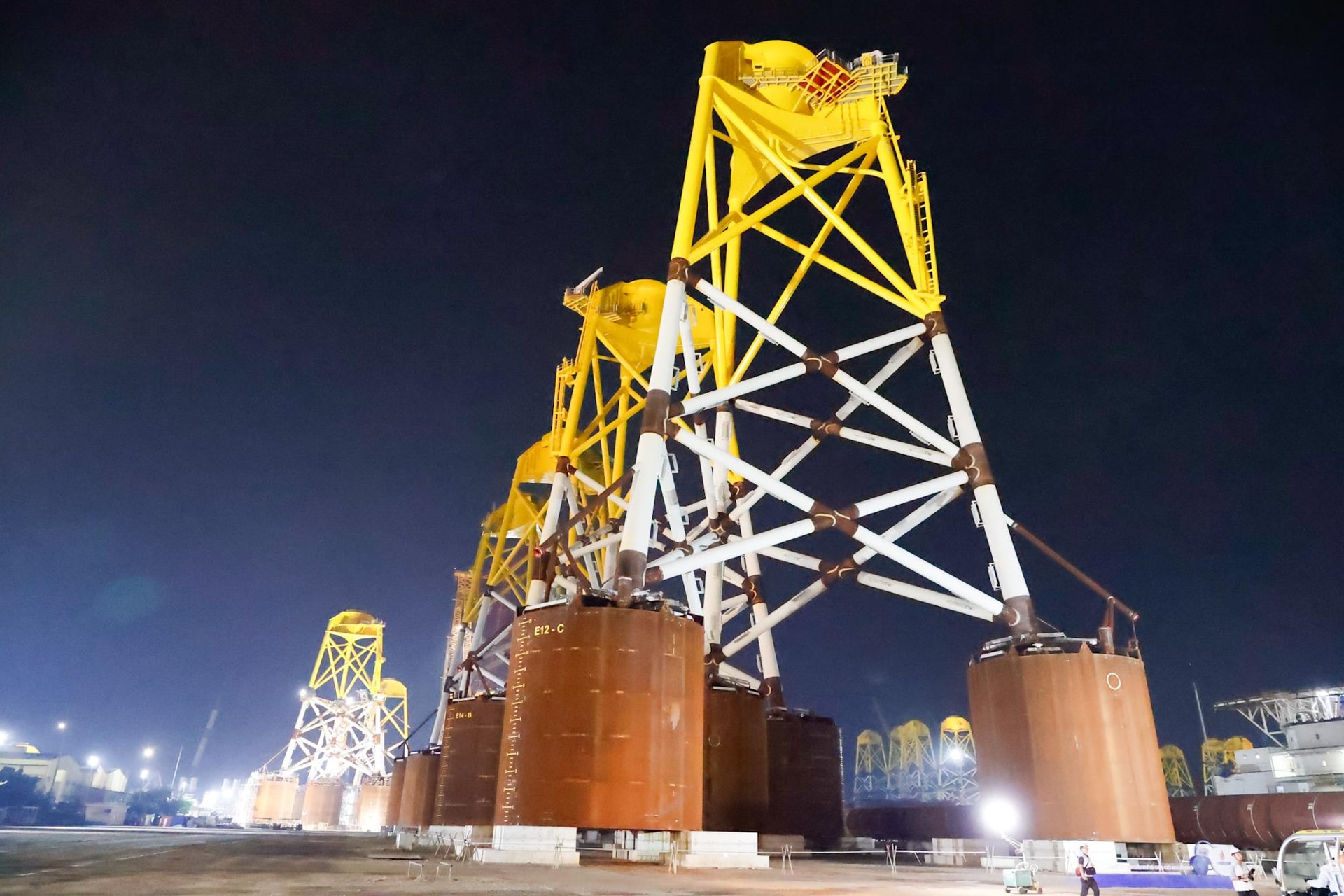
Offshore wind turbine foundation manufactured by PTSC.
The Ministry of Industry and Trade is drafting a Resolution to address challenges in national energy development for the 2026-2030 period. This includes significant provisions for offshore wind energy.
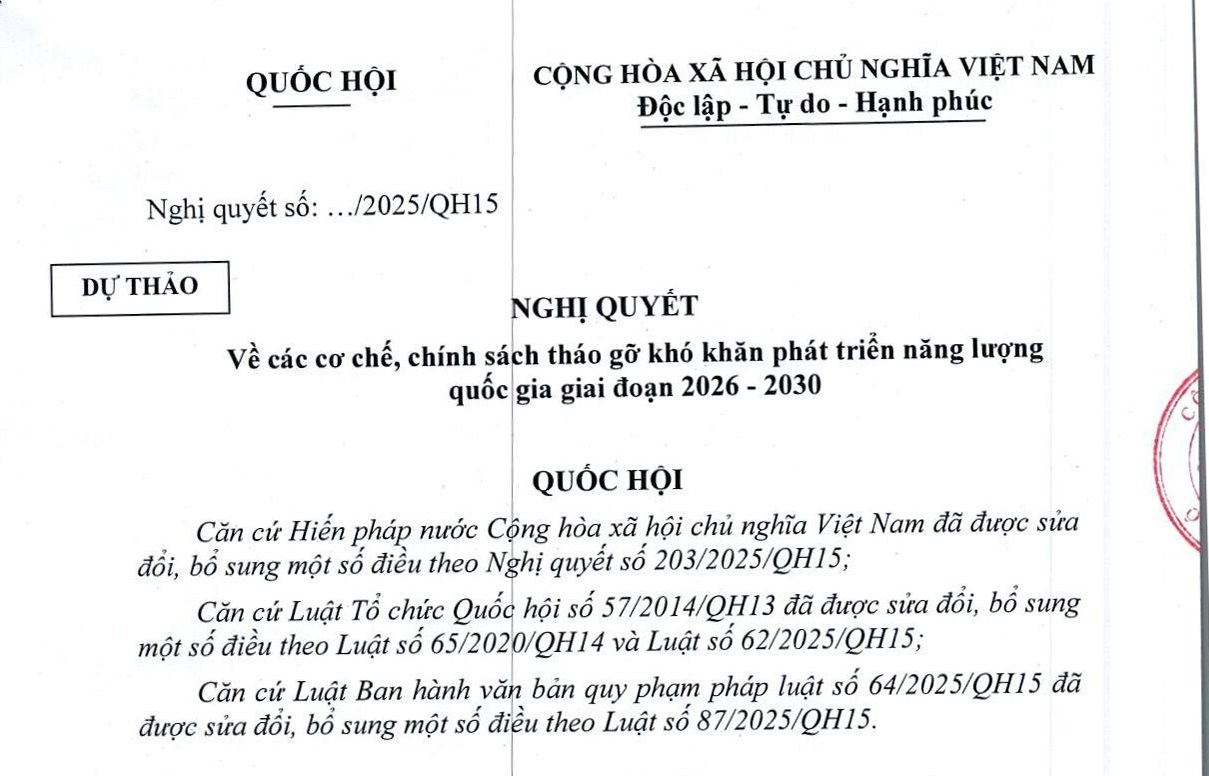
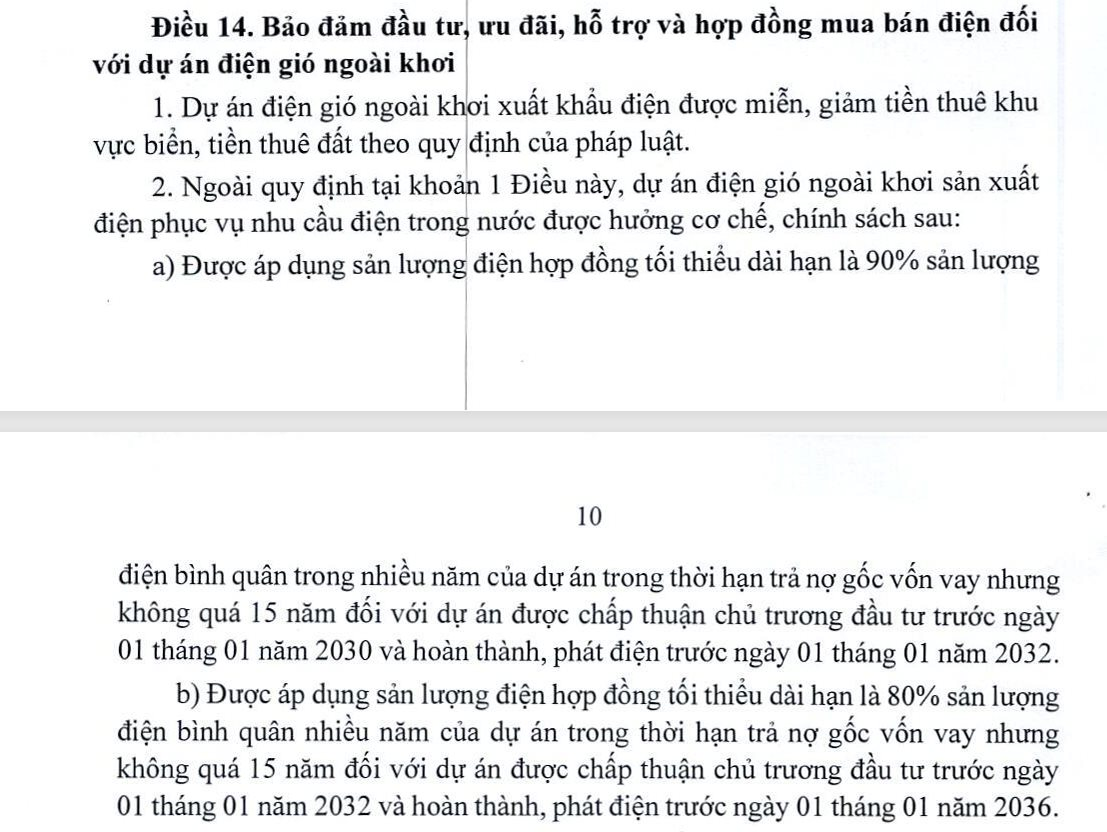
One notable change from Decree 58/2025 is the increase in the feed-in tariff to 90% for projects approved before January 1, 2030, and completed by January 1, 2032.
The 80% rate remains applicable for projects approved before January 1, 2032, and completed by January 1, 2036.
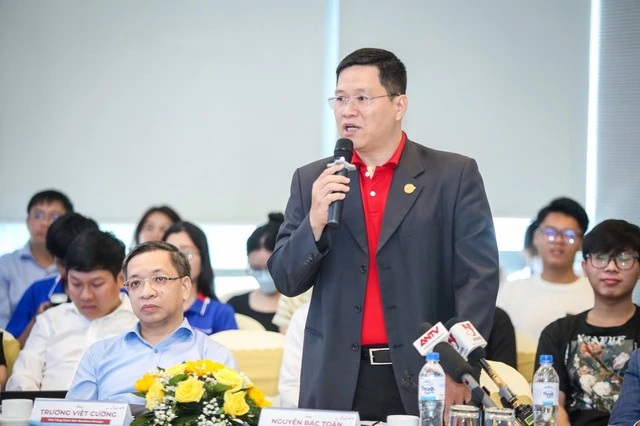
VinEnergo, part of Vingroup’s ecosystem (HoSE: VIC), suggests prioritizing the maximum utilization of full available capacity for offshore wind farms, except in cases of system failures, transmission constraints, or national energy security concerns.
This recommendation stems from the unique operational challenges of offshore wind projects (weather-dependent) and their high investment costs. Failure to prioritize utilization would result in national resource wastage and energy security risks.
Regarding the feed-in tariff duration, VinEnergo argues that 15 years is insufficient and proposes a 25-year period, aligning with the realities of offshore wind development.
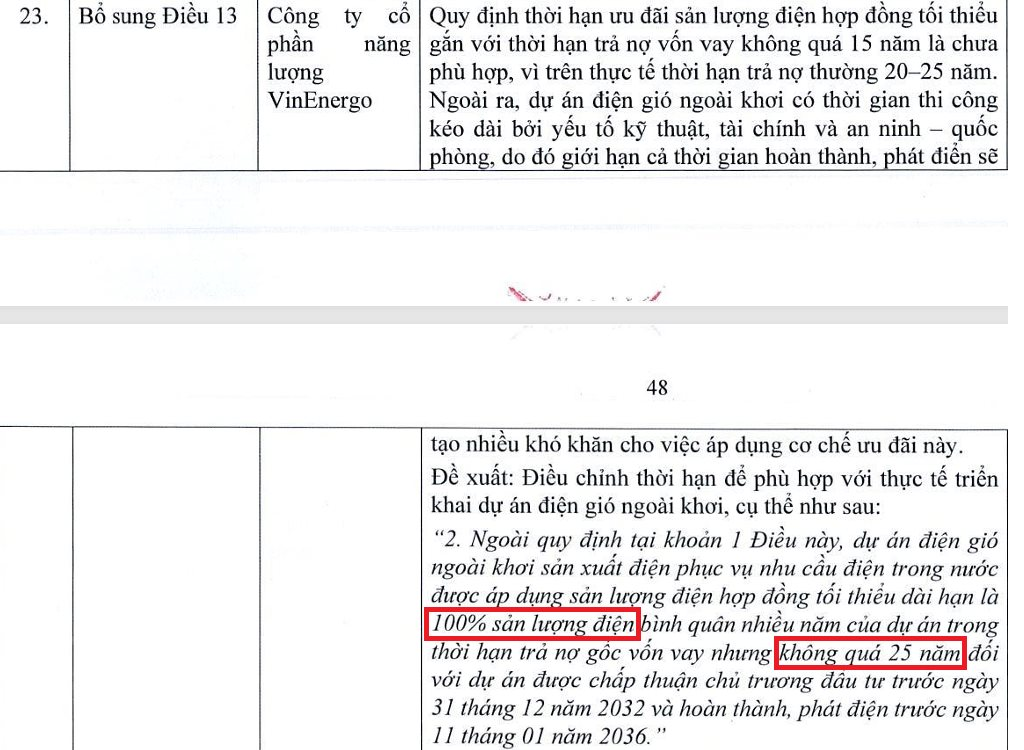
VinEnergo’s stance aligns with Copenhagen Infrastructure Partners (CIP), a Danish renewable energy leader. CIP entered Vietnam’s market in 2019, noting that Vietnam’s shallow coastal waters allow cost-effective fixed-bottom structures, unlike more expensive floating solutions.
CIP argues that the 80% feed-in tariff is insufficient to attract investment. Unlike fossil fuels, wind energy cannot be stored easily without costly batteries or pumped hydro systems. Failing to maximize wind energy consumption is wasteful.
CIP also deems the 15-year contract period inadequate, suggesting 20 years even with a 100% feed-in tariff, given Vietnam’s emerging market uncertainties.
However, overly generous incentives, as seen in Vietnam’s solar energy sector, led to issues like exceeding approved capacity by nearly 20 times.
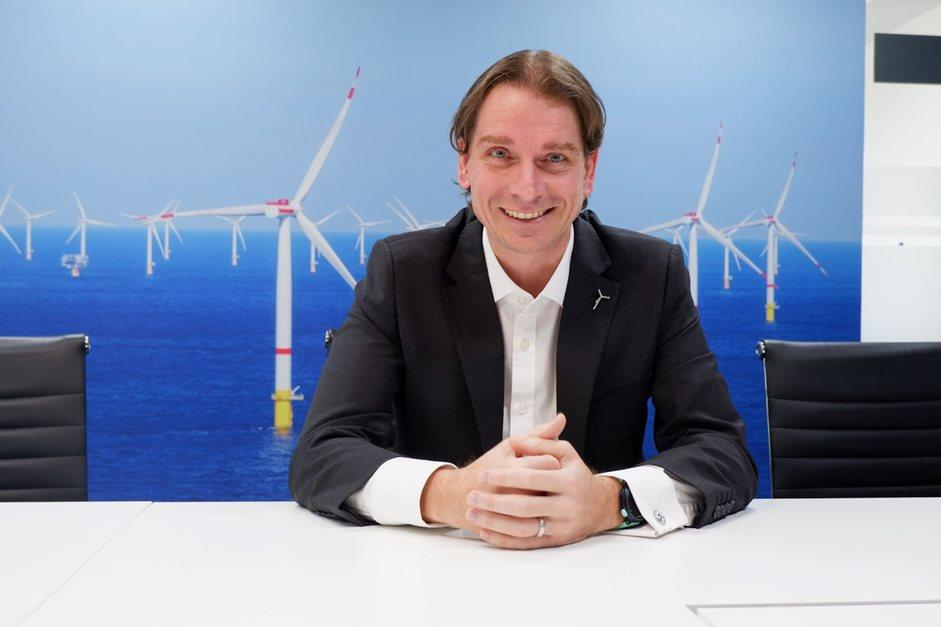
Stuart Livesey, CIP Representative in Vietnam
Ministry of Industry and Trade Proposes 75% Offtake for LNG Power Output, VinEnergo Advocates for Minimum 90%
Vingroup’s Hai Phong LNG Thermal Power Plant has broken ground, marking a new chapter in Vietnam’s renewable energy sector. Previously, only the Nhon Trach 3 and 4 power plants in Dong Nai were nearing connection to the national grid.
EVN Announces New Electricity Pricing Mechanism, Pilot Testing to Begin October 2025
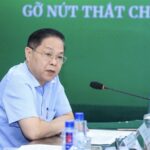
Implementing a two-component electricity pricing mechanism, as suggested by a representative of Vietnam Electricity (EVN), enables businesses to optimize capacity and reduce production costs effectively.
“Mountain Tycoon” Accumulates Thousands of Billions in Losses Yet Invests Over 430 Billion VND to Establish Wind and Solar Power Companies
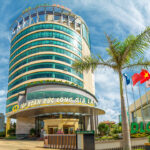
Despite cumulative losses exceeding VND 2.411 trillion and a heavy debt burden, Duc Long Gia Lai remains committed to investing in renewable energy, establishing four new companies in the sector.
The Politburo: Steering Ninh Thuan’s Dual Nuclear Power Projects for 2030-2035
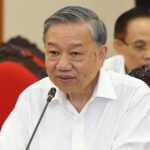
With an emphasis on expedience, the political resolution underscores the imperative to fast-track the development of the Ninh Thuan 1 and Ninh Thuan 2 nuclear power projects. The resolution envisions bringing these projects online during the 2030-2035 period, marking a significant milestone in the nation’s energy landscape.
Solar Panel Installation: How Millions of Households Sell Their Excess Energy for a Premium
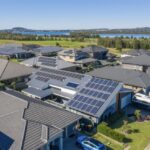
Solar panel installations are gaining traction globally, with Australia at the forefront of this renewable energy revolution. The ability to share excess energy with neighbors presents an enticing opportunity for millions of households to sell their surplus power at a premium.