Recently, there has been a surge in fraudulent activities related to the sale of “vacation cards,” causing widespread concern and confusion. This model allows customers to pre-purchase vacation rights at one or multiple hotels or resorts for a fixed period, seasonally, or continuously over several years (depending on the agreement between parties). However, this scheme has been exploited to create elaborate scams. Through enticing names like “vacation ownership,” “family vacations,” and “resort service cards,” and marketed as “smart investments” or “long-term savings on vacations,” many have fallen into these cleverly designed traps.

(Illustrative image, source: anywhere.com)
According to VTV, over 200 victims have filed complaints against 12 companies for alleged fraud in selling vacation cards. They were lured by promises that the cards would be bought back by another company at 3-4 times the original price, with some cases claiming cards worth a few hundred million dong would be repurchased for tens of billions. Enticed by the prospect of high returns, many rushed to transfer funds without thoroughly reviewing the contracts, only to discover they had purchased additional vacation packages instead of resellable cards.
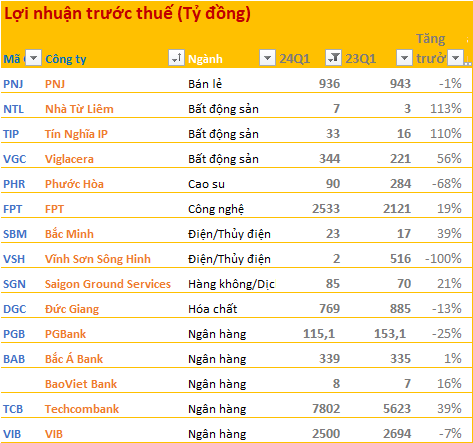
List of 12 accused companies:
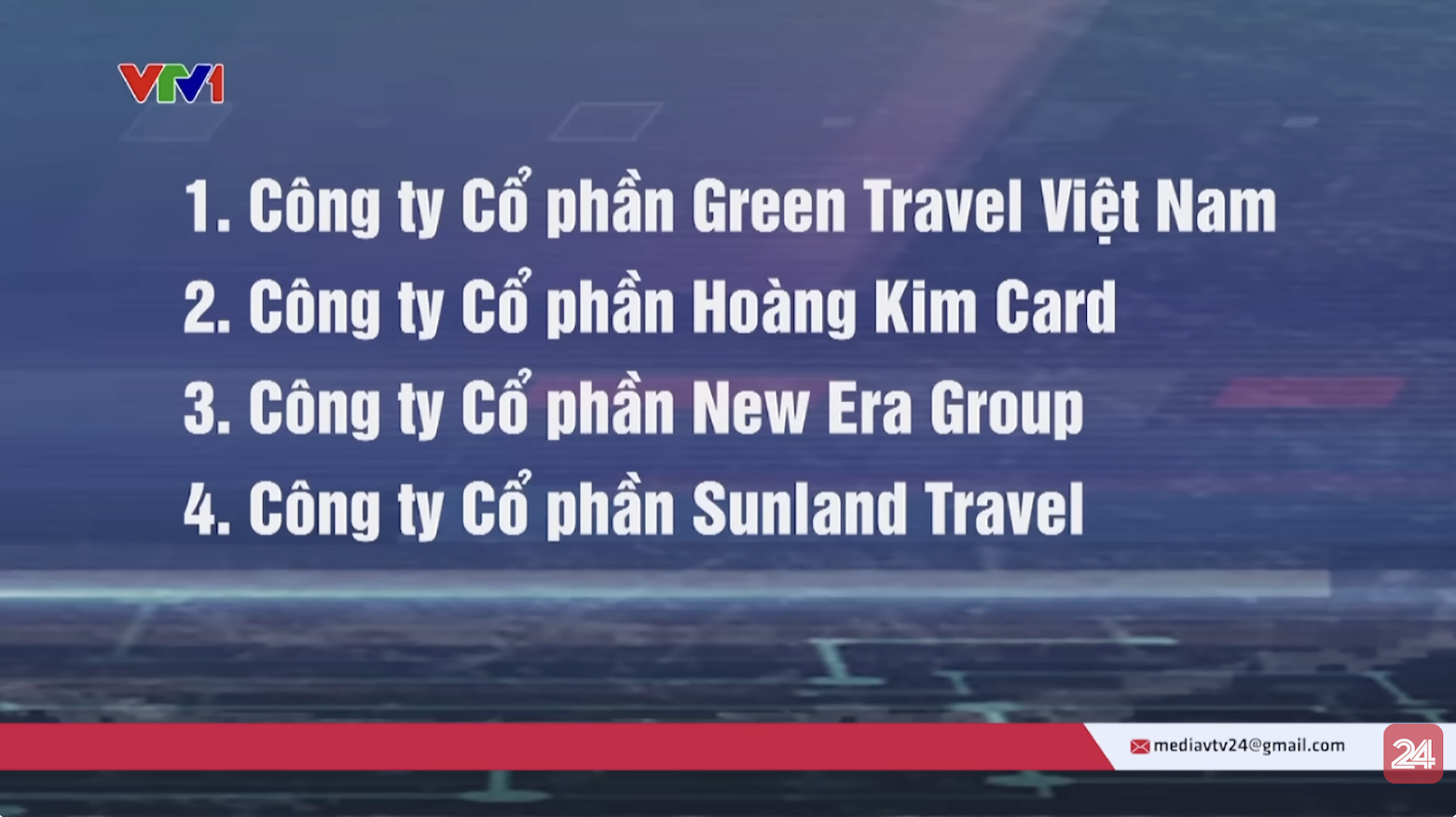
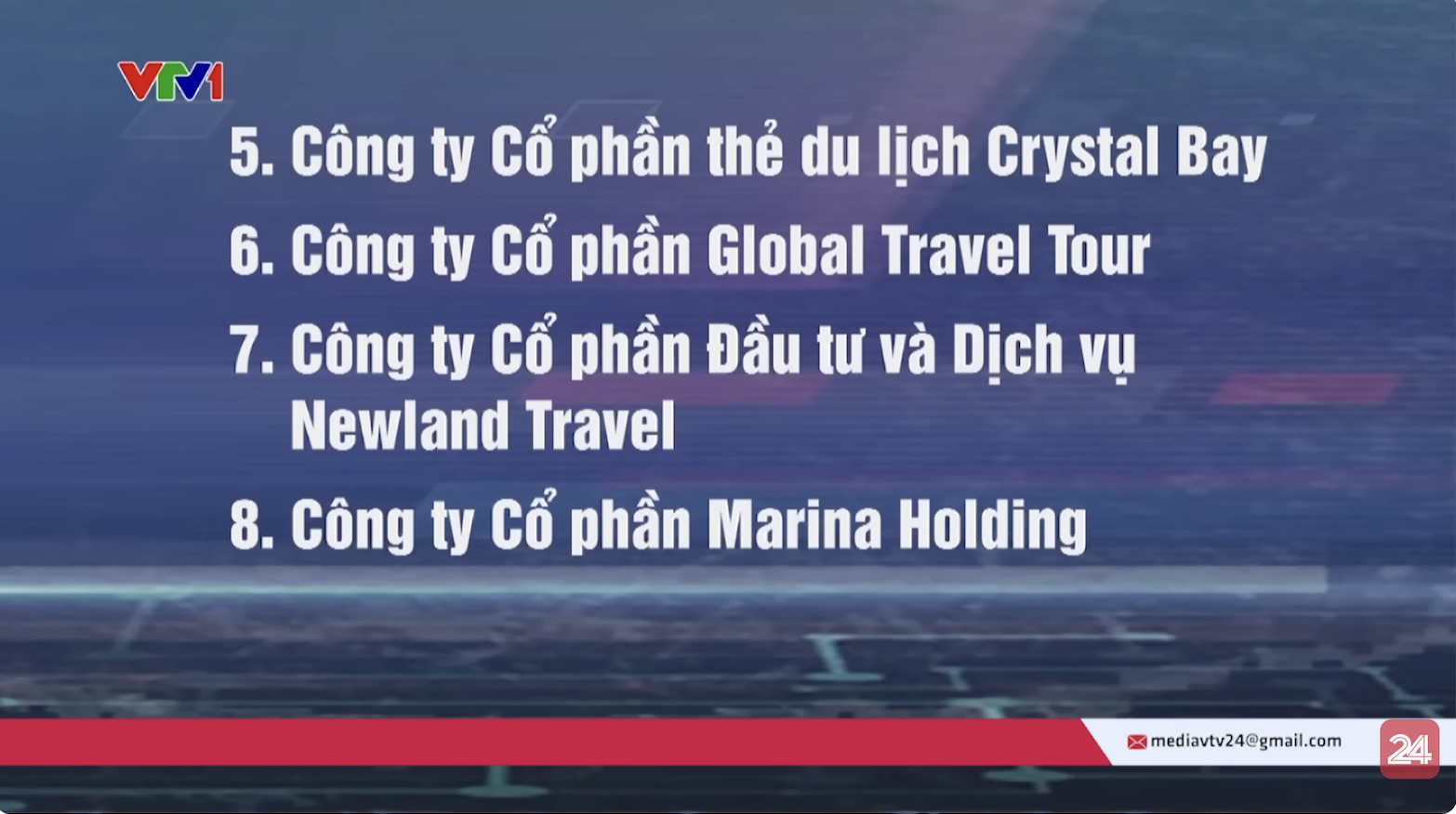

A notable pattern in these scams is the consistent approach: buyers are invited to seminars, receive detailed consultations, and are presented with attractive benefits, often pressured to sign contracts on the spot. Company representatives continuously follow up with calls and updates, creating an aura of trust that keeps victims hopeful. They are led to believe that purchasing additional cards or upgrading their packages will qualify them for resale.
Most alarmingly, the majority of victims are elderly individuals who trust the offers, lack experience in reviewing contracts, and have limited access to legal information. Many have lost hundreds of millions to billions of dong, believing they were on the verge of selling their cards at inflated prices.
According to the complaints, the 12 named companies appear to be interconnected. Representatives from one company are aware of cardholders from another and proactively reach out with resale offers. Meanwhile, cardholders have no direct means to sell their cards; all information is controlled by the brokers.
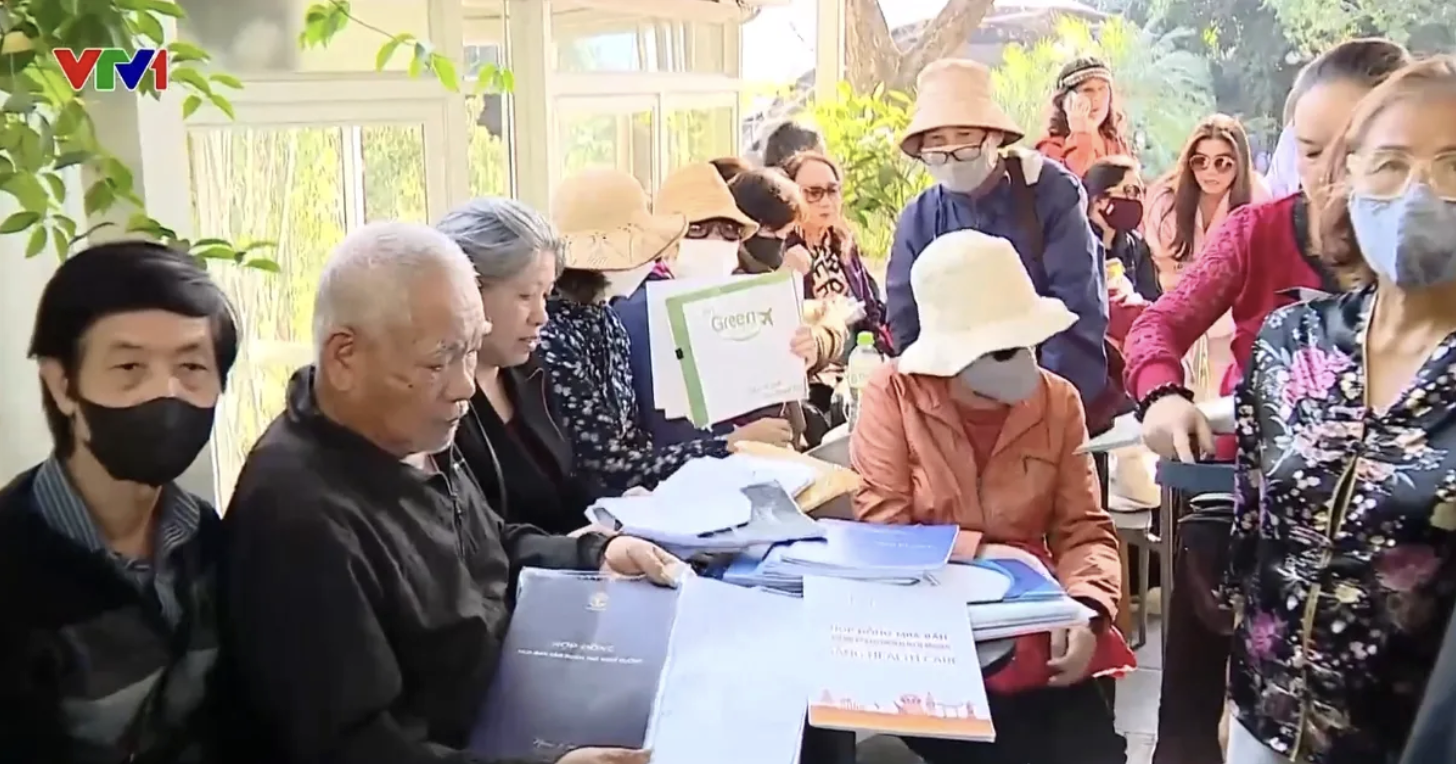
(Source: VTV)
These heartbreaking stories highlight how vacation card businesses have been distorted into schemes exploiting buyers’ lack of knowledge and trust. Many victims simply sought memorable family vacations or modest profits, only to end up losing money and unable to use or resell their cards as promised.
This situation serves as a stark reminder for the public to be cautious of offers that seem “too good to be true,” to carefully review contracts, understand terms, and conduct thorough research before signing any vacation ownership agreements.
ALMA Resort Cam Ranh Owner Faces Tax Debt, CEO Temporarily Banned from Leaving Vietnam

The Khánh Hòa Provincial Tax Department has issued a notice regarding the implementation of measures against Mr. Dương Anh Tuấn, CEO of Paradise Bay Tourism Area Limited Company (ALMC).
SCSC Warns of Fraudulent Activities Linked to STICCAPITAL
On October 6th, Vietnam’s State Securities Commission (SSC) issued a public notice regarding a report received from the Vietnam representative office of STIC Investments, Inc. This report highlights potential fraudulent activities and forgery.
“Beware of Phishing Scams: Don’t Fall for the ‘Free $100,000 Gift’ Trick.”

“A sophisticated scam has emerged, with banks reporting an elaborate scheme targeting their customers. The fraudsters are taking advantage of the banks’ promotional campaigns, particularly those offering a 100,000 VND gift, to deceive unsuspecting individuals. This scam is a cause for concern as it highlights the evolving tactics of cybercriminals and the need for heightened vigilance.”
Counterfeit Signature Scam: Preying on Those Seeking Overseas Employment
Scammers have been impersonating official documents with the signature of the Minister of Labour, Invalids and Social Affairs, even going as far as using images of the Ministry’s leaders working with foreign partners to gain the trust of unsuspecting job seekers looking for employment abroad.
“Holiday Hijinks: Exposing the Scam Behind ‘Vacation Ownership’ Businesses”
The Hanoi Police have issued a warning about a “Vacation Ownership” scheme, exposing the deceptive tactics used to lure and entice customers. The alert was prompted by multiple complaints from citizens alleging that several companies operating in the “Vacation Ownership” business displayed signs of fraud and asset appropriation.