A More Flexible Mechanism for Localities is Needed
On the morning of December 5th, the National Assembly held a plenary discussion on the investment policy for the National Target Program on New Rural Development, Sustainable Poverty Reduction, and Socio-Economic Development in Ethnic Minority and Mountainous Regions until 2035.
The program is set to run for 10 years (from 2026 to 2035), divided into two phases: 2026-2030 and 2031-2035. In the first phase, the total mobilized resources are expected to be at least 1.23 million trillion VND.
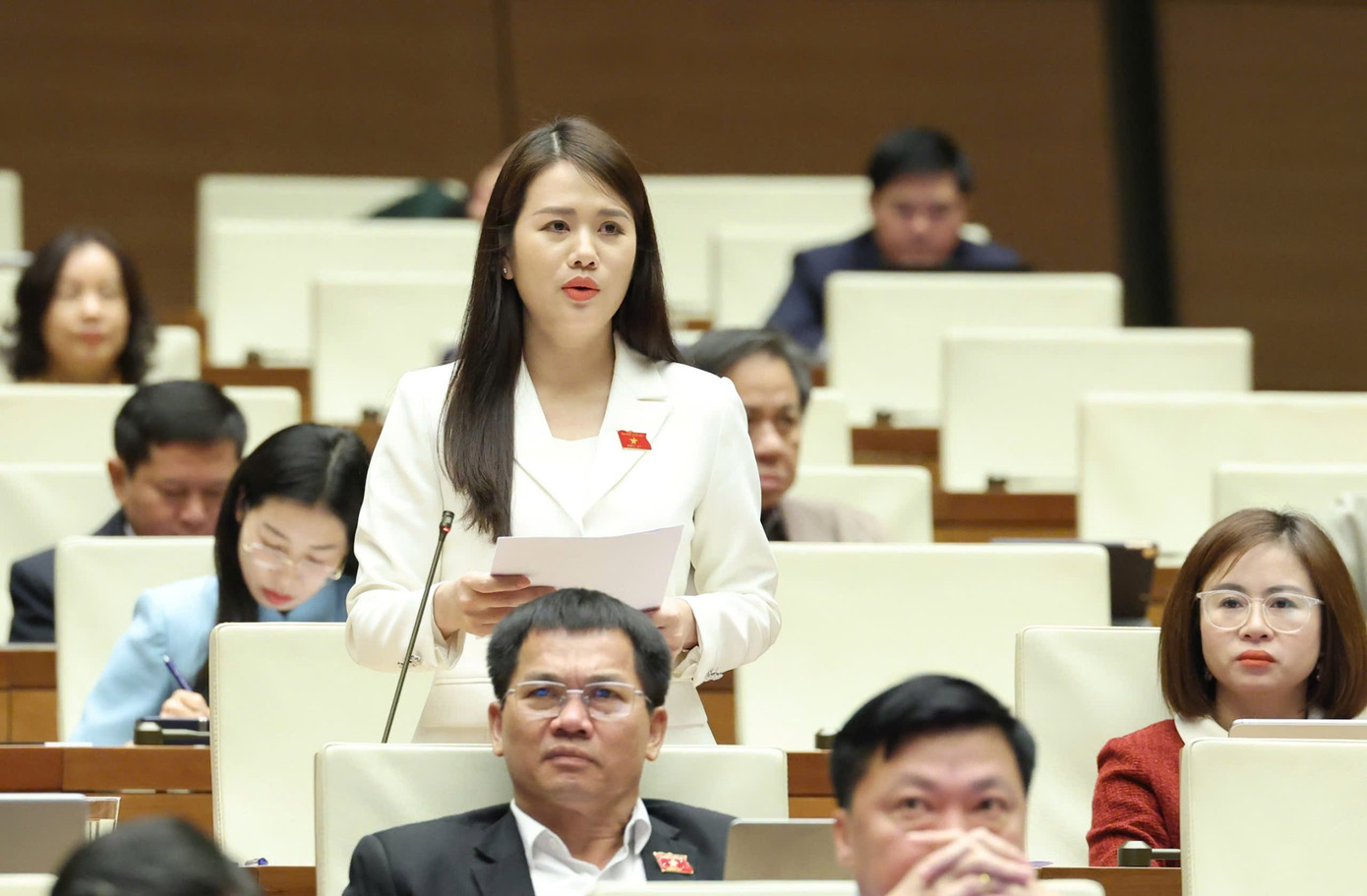
Delegate Vuong Thi Huong. Photo: Nhu Y
Speaking at the session, Delegate Vuong Thi Huong (Tuyen Quang) pointed out that many policies have achieved their goals and no longer have target beneficiaries, yet funds remain allocated. Some policies have been funded but cannot be implemented due to unmet criteria or conditions.
According to the delegate, a more flexible mechanism is required to allow localities to proactively manage funds that can no longer be utilized as initially planned. Additionally, provisions should be added to enable provincial People’s Councils to adjust the state budget estimates for national target programs concerning funds carried over from 2025, along with regulations on adjustment principles.
The Tuyen Quang delegation emphasized that this mechanism would help release funds locked in policies or projects without beneficiaries or implementation potential. It would also enhance localities’ autonomy in allocating and adjusting resources to projects and tasks with actual needs and disbursement capabilities.
Applying an Independent Index for Capital Allocation
Meanwhile, Delegate Ha Sy Dong (Quang Tri) acknowledged that consolidating three target programs has addressed resource fragmentation, policy overlap, and multiple management layers. However, several issues must be resolved to ensure the new phase of the program is focused, prioritized, and feasible.
He also noted concerns about the minimum central budget requirement of over 240,000 billion VND for 2026-2030, with only 100,000 billion VND currently allocated, meeting just 41.5% of the minimum need.
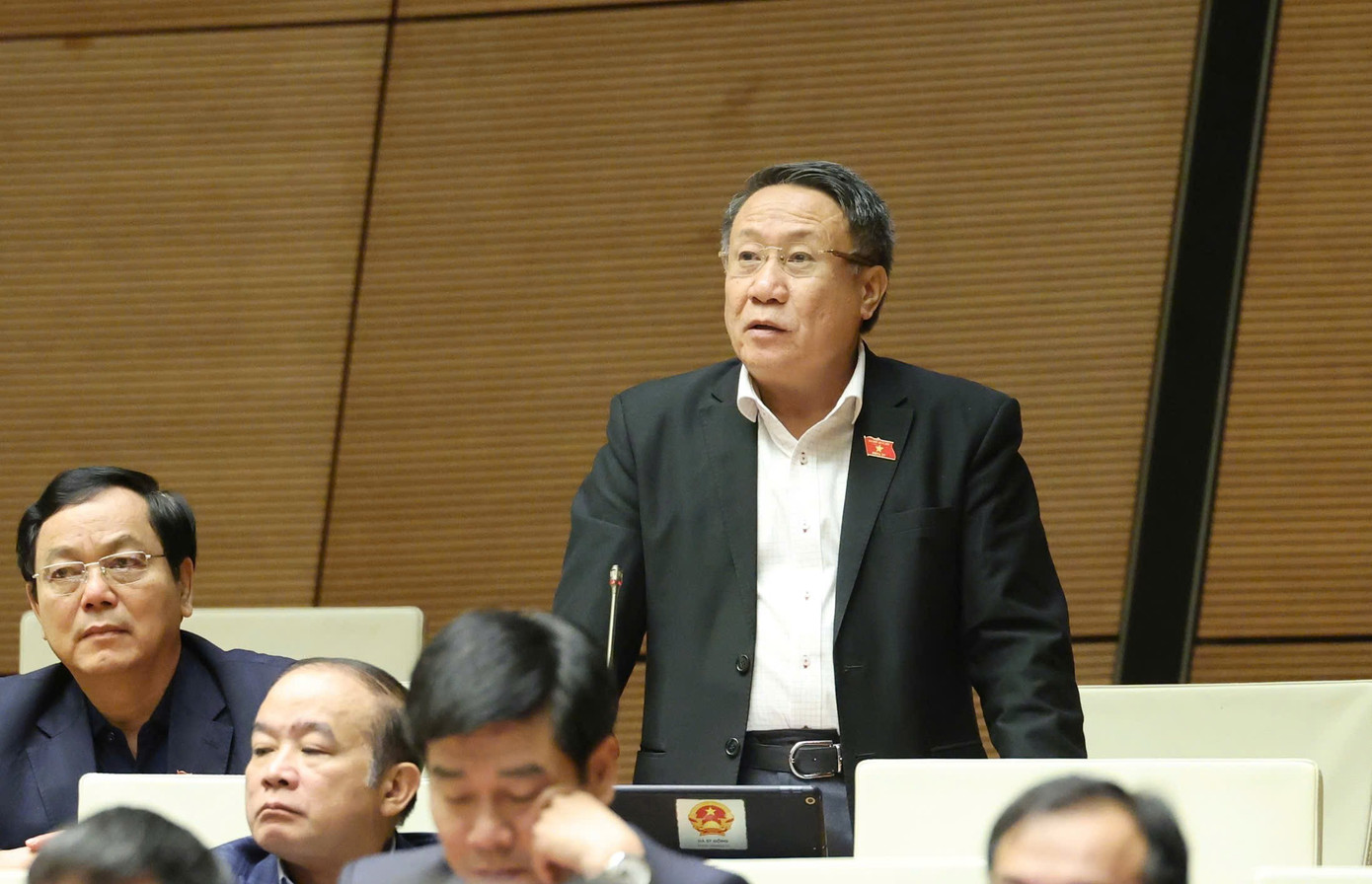
Delegate Ha Sy Dong. Photo: Nhu Y
“A legal safe zone is needed for officials to dare to think and act, aligning with the directive on protecting proactive and creative cadres,” said Ha Sy Dong.
The delegate argued that requiring 33% local budget matching and 28% from businesses and communities is unfeasible for impoverished provinces reliant on central funding. He proposed revising the matching ratios, especially for mountainous, remote, and disadvantaged areas.
He also stressed the need for clear allocation principles: at least 70% of central funds should prioritize ethnic minority and mountainous regions, with a minimum of 40% for extremely difficult areas, ensuring investment targets core poverty and key priorities.
To prevent waste and scattered investment, Delegate Ha Sy Dong suggested including a resolution requirement for full project transparency—listing details, funds, progress, and results on a digital platform. He proposed assigning the Fatherland Front and local communities to monitor in real-time using digital tools to maximize program effectiveness and prevent corruption.
The Quang Tri delegation also recommended adopting an independent KPI index for evaluation and capital allocation from 2031-2035. This, he emphasized, is crucial to avoid programs starting with high goals only to request adjustments later.
DGC Holds VND 13 Trillion in Cash: Is Real Estate or Chemicals the Ace Up the Phosphate King’s Sleeve?
Perched on a staggering $530 million in cash reserves, DGC is pivoting from a defensive stance to an aggressive growth strategy. Will this massive capital injection into real estate and a mega aluminum project propel the “phosphate king” to a transformative rebirth during the 2026-2030 cycle?
Becamex IJC Revises Capital Allocation for Recent 252 Million Share Issuance
Becamex IJC has recently announced an adjustment to the intended use of capital from its recent public issuance of nearly 252 million shares, aimed at increasing its chartered capital by 2025.
Over 125 Trillion Allocated for Healthcare and Population Programs Over the Next Decade
Our program aims to enhance physical and mental well-being, improve stature, extend lifespan, and elevate the overall quality of life for all citizens. We ensure that every individual receives accessible, high-quality primary healthcare and management.
Investing 580 Trillion VND to Modernize and Enhance Education Quality Nationwide
The National Target Program for Modernization and Quality Enhancement of Education and Training for the 2026-2035 period, spearheaded by the Ministry of Education and Training, is set to be implemented nationwide.
Unveiling the Biggest “Shark” at VPS Securities: A $44 Billion Company Holding Stocks Worth Over $15 Billion

The recently released IPO results report from VPS Securities reveals a significant development: Saigon Capital (Saigon Capital Management Corporation) has emerged as the largest shareholder, holding assets with an estimated market value exceeding VND 35 trillion.