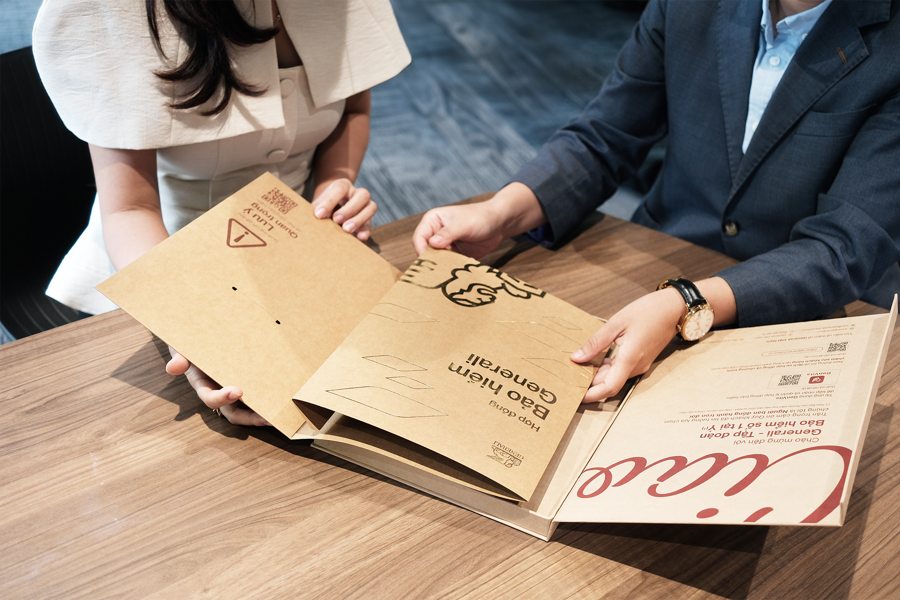
The Hanoi Department of Agriculture and Rural Development has issued an invitation for investors to register for the shortlisting process of the Hanoi Waste-to-Energy and Environmental Improvement Project. This initiative aims to manage daily household waste, accumulated waste at the Nam Son Landfill Complex, and sewage sludge through advanced incineration technology, thereby enhancing the environmental conditions in Soc Son, mitigating odor pollution, and rehabilitating the landfill site.
The project involves constructing a waste-to-energy plant with a capacity of 2,400 tons per day. Additionally, a sludge drying system capable of processing 600 tons per day will be installed, with 150 tons of dried sludge directed to the incinerator daily. The project also includes the development of a transmission line to connect to the national power grid and other auxiliary facilities.
Regarding technology requirements, the investor mandates the use of grate furnace incineration technology to simultaneously treat household waste and dried sludge. All emissions, wastewater, and residues must comply with current environmental standards.
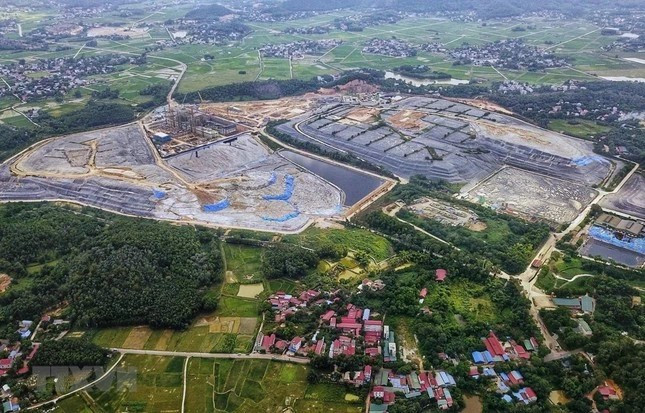
Nam Son Landfill
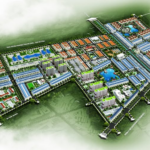
The project will be implemented in the northern area of Phase II of the Soc Son Waste Treatment Complex, covering approximately 12.46 hectares.
A transmission line from the plant to the national power grid, a raw water supply pipeline, and other auxiliary facilities will also be constructed.
Technical specifications include the use of grate furnace incineration technology for unsegregated household waste and dried sludge, ensuring high combustion efficiency and ease of operation and maintenance. The resulting fly ash will be solidified and either landfilled at a designated site by state authorities or managed through alternative methods in compliance with legal regulations. Advanced and modern technologies that meet environmental protection standards will be prioritized.
The project is expected to commence operations by Q4/2029.
The preliminary total investment is approximately VND 7,531 billion. The entire funding will be arranged by the investor, with no state capital involved. The Hanoi People’s Committee is responsible for ensuring a consistent supply of solid waste (household waste and sewage sludge) to maintain the approved operational capacity and for compensating the PPP project enterprise from the regular budget as per the committee’s regulations.
The Nam Son Waste Treatment Complex (Nam Son Landfill) is Hanoi’s largest waste management facility, operational since 1996, primarily relying on landfilling. From the outside, massive mounds of waste, some reaching tens of meters high, are visible. The landfill’s odor and leachate have severely impacted the quality of life for nearby residents.
Hanoi’s leadership aims to completely process the accumulated waste within the next 5-7 years, transforming the 500-hectare site into a community-oriented space for public use.
Revitalizing Ho Chi Minh City’s Most Polluted Canal: Full-Scale Renovation Project Commences

The remaining two construction packages (valued at over VND 2.3 trillion) for the dredging and environmental improvement project of the Xuyên Tâm canal in Ho Chi Minh City officially commenced this morning (November 18).
A Heavily Polluted Canal in Ho Chi Minh City: The $360-Million Project to Bring it Back to Life

The decrepit houses and pitch-black water of Rach Van Thanh in Thanh My Tay Ward, Ho Chi Minh City, paint a dismal picture. However, there is hope on the horizon as plans are afoot to invest over VND 8,555 billion in the rehabilitation of this canal, offering a glimmer of renewal and transformation for the better.
The Never-Ending Road: A 1.4km Journey Through Four Years of Construction and Counting

Construction began in 2020 and was expected to be completed within 450 days, but the Vu Quynh road extension in Hanoi remains unfinished, with construction materials and debris littering the area, causing pollution and an eyesore for residents.
The Challenges of Revitalizing Ho Chi Minh City’s Longest Canal Project
A series of setbacks have put the Tham Luong – Ben Cat – Rach Nuoc Len canal renovation project – the longest canal in Ho Chi Minh City – at risk of falling behind schedule.
The Magic of Cocoa Pod Husk: Unlocking Circular Economy Solutions in Cocoa
The circular economic model of production is now regarded as a sustainable solution, emphasizing waste reduction and resource optimization. This approach is becoming increasingly vital in the agriculture and agro-processing industries, as stakeholders recognize the importance of minimizing environmental impact while maximizing efficiency.