











The insights were shared by experts at the Vietnam Enterprise Management Forum 2025, amidst the pilot framework for blockchain and digital assets in Vietnam. According to speakers, this is not just a technological shift but a novel capital approach for businesses holding tangible assets, particularly real estate.
The core of this model lies in asset tokenization, converting the value of physical assets into tradable digital units on the blockchain. This enables businesses to engage investors earlier and more flexibly, bypassing the lengthy requirements of a traditional IPO.
Mr. Nguyễn Trung Trang, Product Director at SSI Digital, noted that many companies with substantial assets and stable cash flows still struggle with capital expansion. “For businesses with real assets, operations, and cash flows, tokenization can be an effective fundraising channel, akin to an early IPO,” he stated.
Trang explained that the difference lies in the approach. Traditional IPOs require lengthy preparations, from financial transparency to organizational restructuring. Tokenization, however, allows businesses to market individual assets or projects first, attracting domestic and international investors.
He cited an example of a company holding assets worth approximately VND 1 trillion, which could issue corresponding tokens to access global investors, thereby attracting foreign capital into Vietnam.
Real estate stands to benefit most from this trend. Experts highlight that while high-value, such assets are illiquid, often locking capital for extended periods. Tokenization fractionalizes asset value, broadening the investor base and enhancing capital circulation.
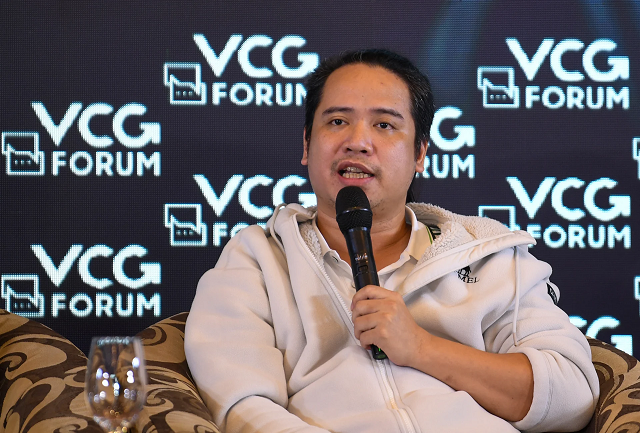
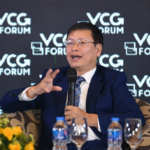
Mr. Nguyễn Trung Trang – Product Director, SSI Digital
|
Mr. Lê Thanh, co-founder of Ninety Eight, observed that when real estate goes on-chain, transactions transcend traditional buying and selling. “Tokenization enables fractional ownership, allowing smaller investors to participate and enhancing liquidity for traditionally ‘heavy’ assets like real estate,” he remarked.
This benefit extends beyond international investors, significantly impacting the domestic market. Soaring property prices create barriers for young buyers. Tokenization allows them to enter the market incrementally, rather than saving for years. “Individuals can purchase 10% or 20% of a property’s value, scaling up ownership as income grows, instead of waiting years to enter the market,” he explained.
Another advantage is access to a global investor pool. Blockchain’s borderless nature enables investors worldwide to access Vietnamese assets, provided they are standardized and transparent. This expands funding sources previously out of reach for real estate firms.
Mr. Nguyễn Phú Dũng, co-founder of PILA Group, noted that much of Vietnam’s capital is tied up in collateralized assets, primarily real estate, slowing capital turnover. Tokenization “liquifies” these assets, improving capital efficiency and economic resource access.
“When assets are digitized, trust is based on verifiable data, not relationships,” said Dũng, adding that blockchain reduces reliance on traditional collateral and accelerates capital flow.
Beyond real estate, experts see tokenization commercializing other illiquid or under-traded assets, such as mining rights, intellectual property, and intangible business assets.
However, tokenization is not a shortcut for all businesses. Dr. Trần Quý, Director of the Vietnam Institute of Digital Economy Development, emphasized that digital assets must be tied to real assets. “Assets must have clear ownership, valuation, and regulation to be considered legitimate,” he stated.
Quý warned that without real asset backing, tokenization risks becoming speculative. Meaningful tokenization requires clear asset identification, custody mechanisms, and transparent governance.
Mr. Lê Thanh noted that blockchain’s benefits extend beyond fundraising. It enhances transparency, reduces intermediaries, and speeds cross-border financial transactions.
According to Ninety Eight’s co-founder, blockchain acts as a shared ledger, providing immutable, real-time data. This minimizes fraud risk and strengthens market trust for businesses and investors.
Blockchain and tokenization are reshaping corporate fundraising. While offering flexibility beyond banks or IPOs, they demand greater discipline and transparency.
As the real estate market faces liquidity challenges, this new capital channel is expected to ease pressure on businesses and the financial system. Ultimately, success depends on implementation and governance. Blockchain is a tool; value lies in assets, trust, and management.
– 08:00 14/12/2025
Exclusive Investment Opportunity: December 6-12, 2025 – 5 Mega Urban Projects, Nearly $5.3 Billion in Capital
During the week of December 6–12, 2025, nine provinces and cities attracted investment for 11 projects, totaling over 132 trillion VND. Notably, the Phu Tho Eco-Complex Urban Area project stands out with an investment of more than 102.8 trillion VND. Additionally, one industrial zone and two biomass power plants were also part of the investment calls.
“Honda Vision, the Nation’s Favorite Scooter, Unveils New Edition: Stunning Colors, Enhanced Features, Starting at 31 Million VND”

The 2026 Honda Vision scooter redefines its aesthetic with a refreshed color palette and meticulously coordinated details across each variant.
Striving for a Transparent, Healthy, and Internationally Aligned Gold Market

The establishment of a gold trading exchange is gaining significant attention from regulators, experts, and the business community, particularly following the National Assembly’s approval of the amended Investment Law. A key development is the removal of gold jewelry from the list of conditional business sectors. Representatives from the State Bank of Vietnam emphasize the need for a cautious roadmap in developing this model to achieve a dual objective: fostering market growth while safeguarding monetary security.
Northeast Ho Chi Minh City Real Estate: The New Epicenter of Growth

The 2026 land price chart reveals a record-breaking surge in the former Bình Dương area, unlocking immense potential for real estate in Northeast Ho Chi Minh City. Notably, along National Highway 13—a dual-gateway axis—lies a prime connection to Ho Chi Minh City.
Unveiling Vietnam’s Longest Expressway: A $470 Million Masterpiece Set to Open in One Week

By December 19th, the 11-trillion-VND Huu Nghi – Chi Lang Expressway will open, providing a faster route to the international border gate. Spanning nearly 60 kilometers, 2,800 personnel and 1,230 pieces of equipment are working around the clock in three shifts to meet the deadline.