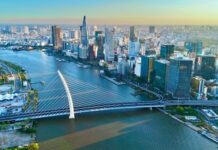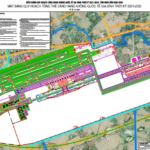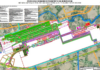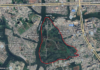






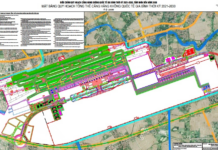







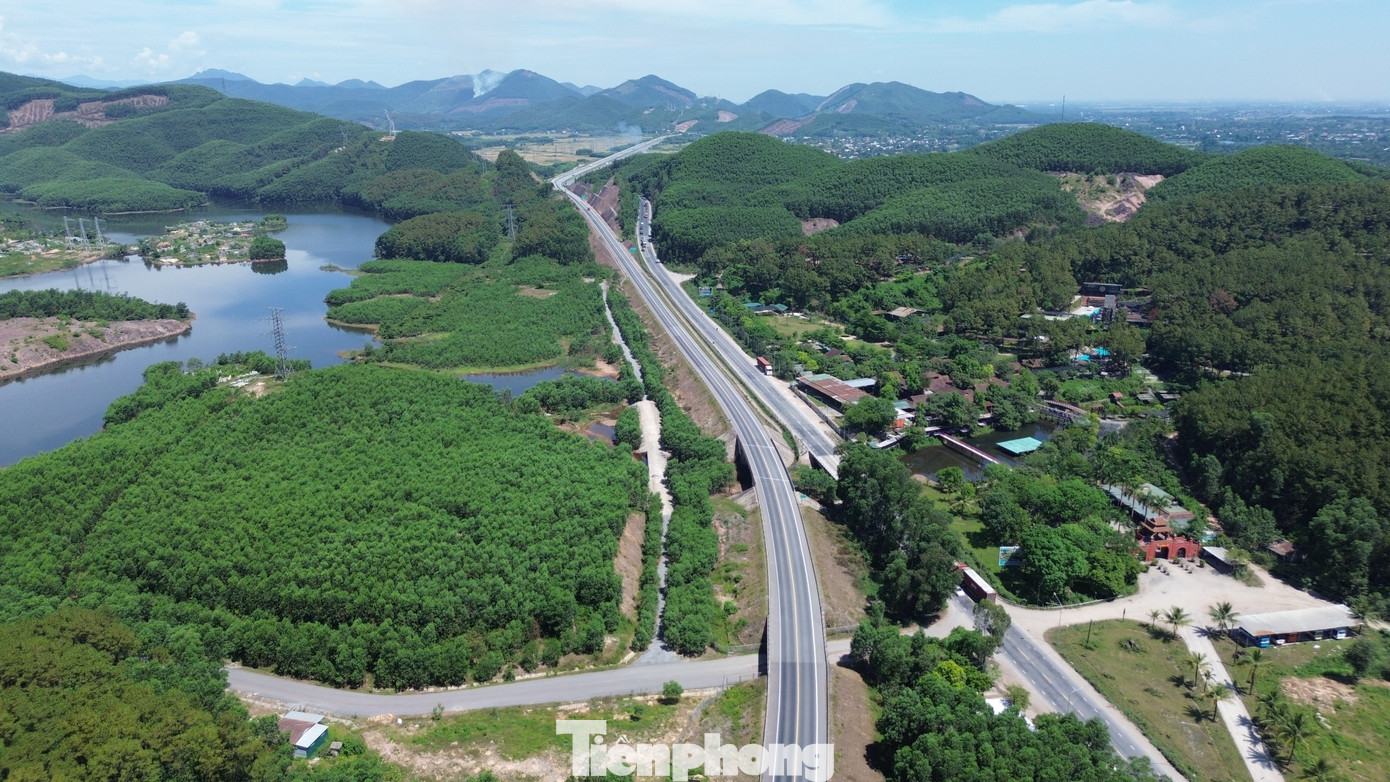
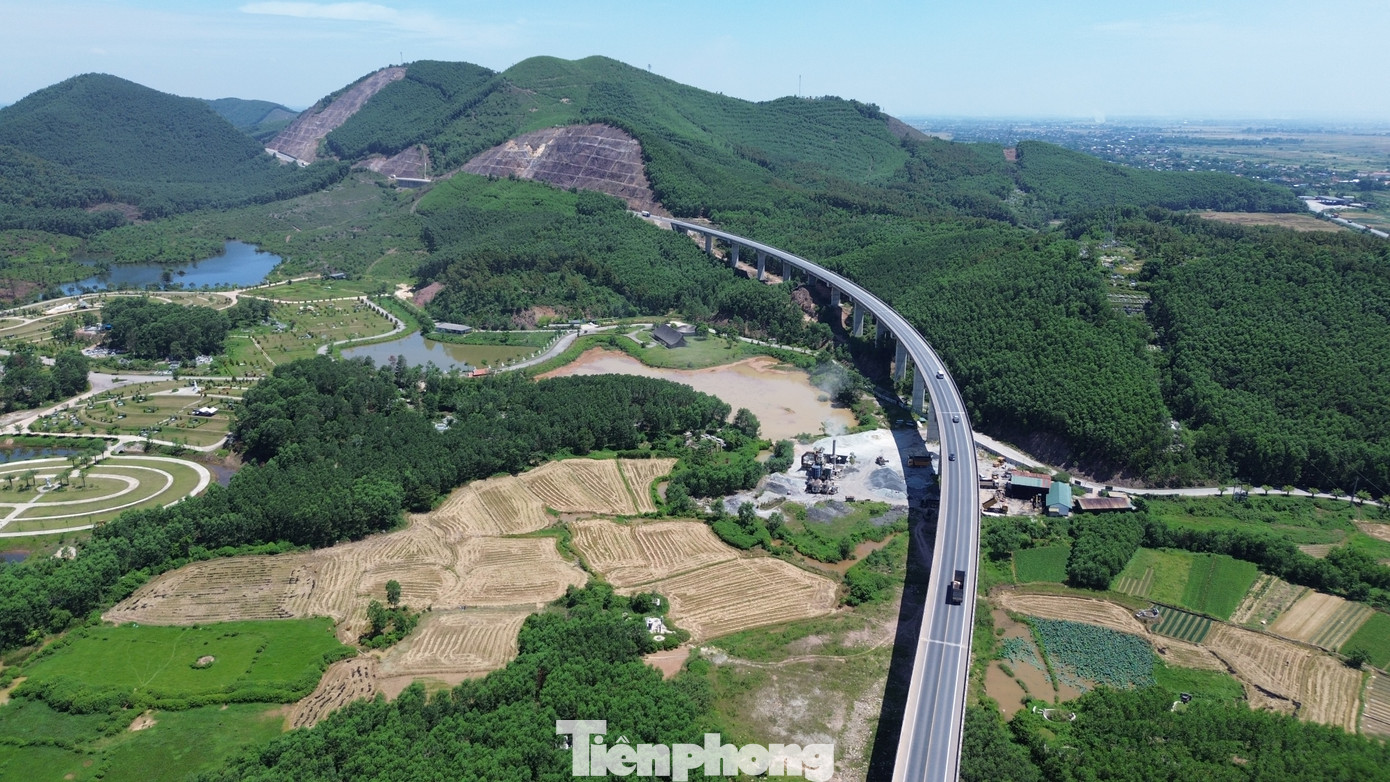
According to the Ho Chi Minh Highway Management Board, the Cam Lo – La Son Expressway Phase 2, spanning Quang Tri Province and Hue City, had its budget and capital plan adjusted in mid-November. The project, managed by the Board, aims to enhance connectivity. Photo: The Nghia.
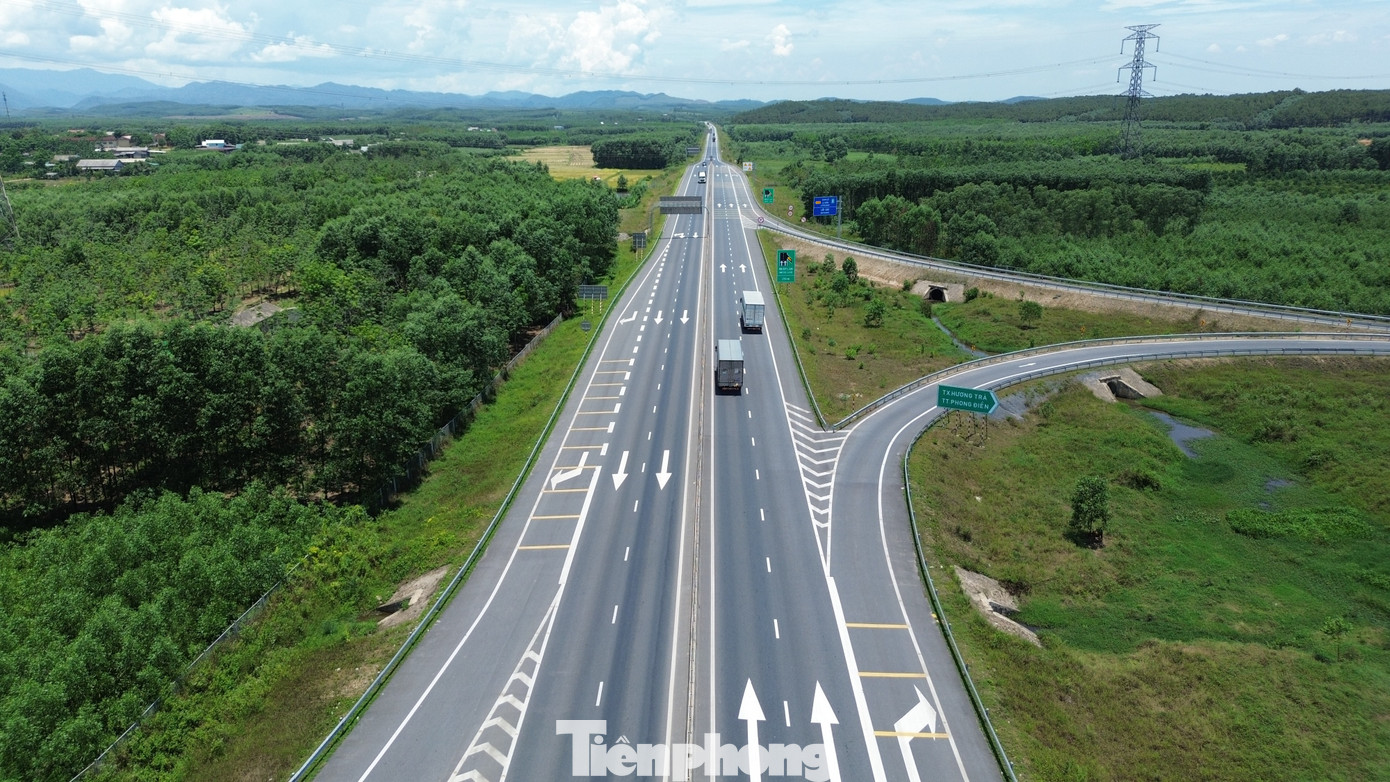
The funding allocation has shifted from a full 2025 budget to a partial allocation, with the remainder scheduled post-2025. Prime Minister’s Decision 2471/QĐ-TTg dated November 11, 2025, assigns VND 1.996 trillion from the 2023 central budget surplus. Photo: The Nghia.
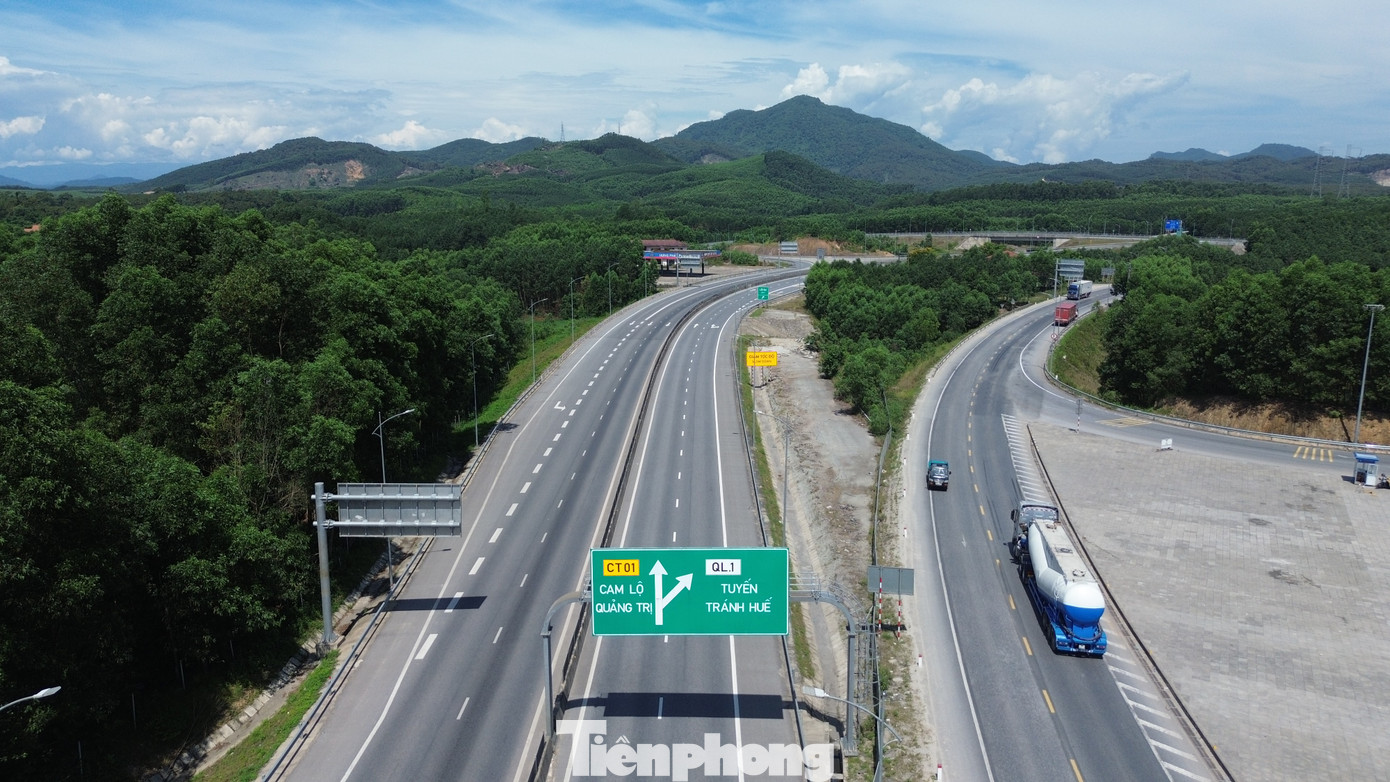
The 98.7 km expressway includes a 76 km expansion from 2 to 4 lanes, widening to 22-23 meters. Funded entirely by state budget, the project totals VND 6.463 trillion. Photo: The Nghia.
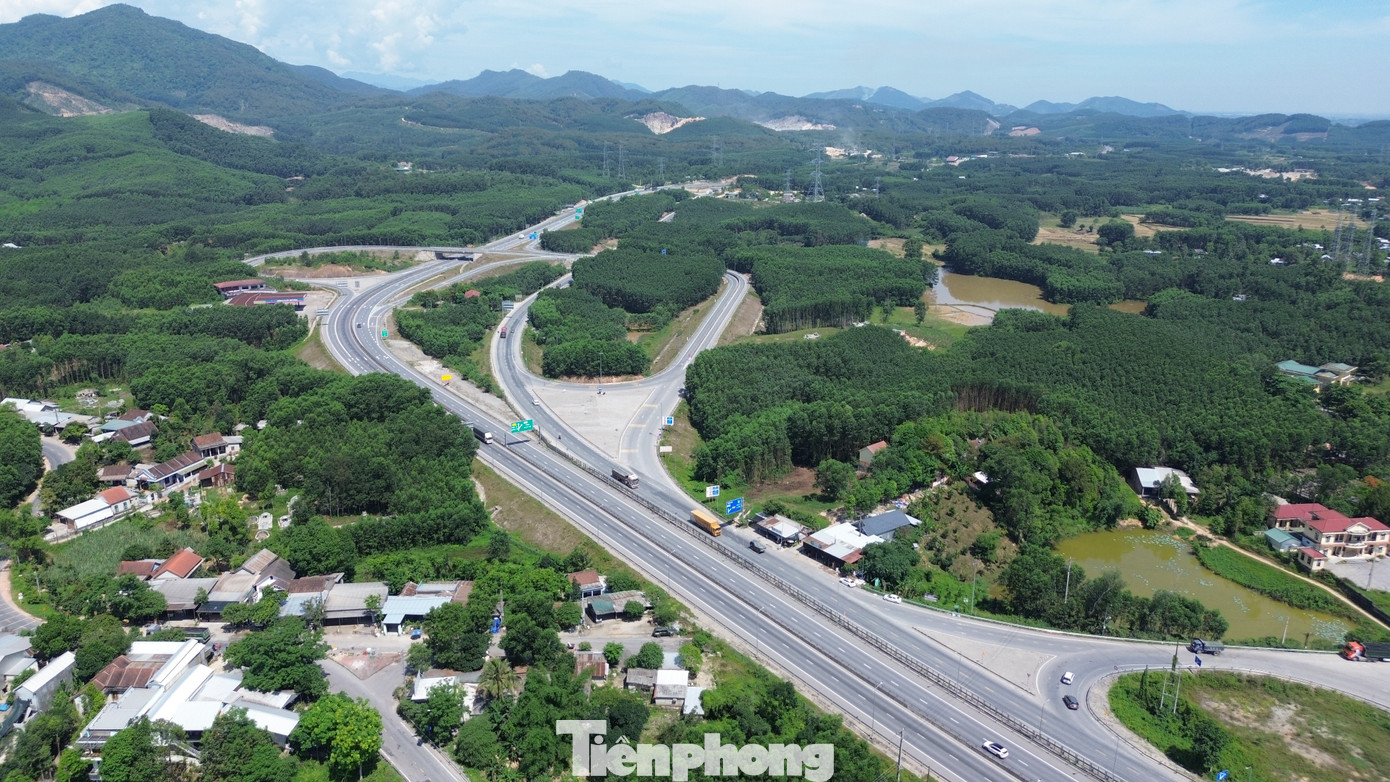
Approved in July 2024, the Ho Chi Minh Highway Management Board was appointed as the investor in December 2024, marking a significant milestone.
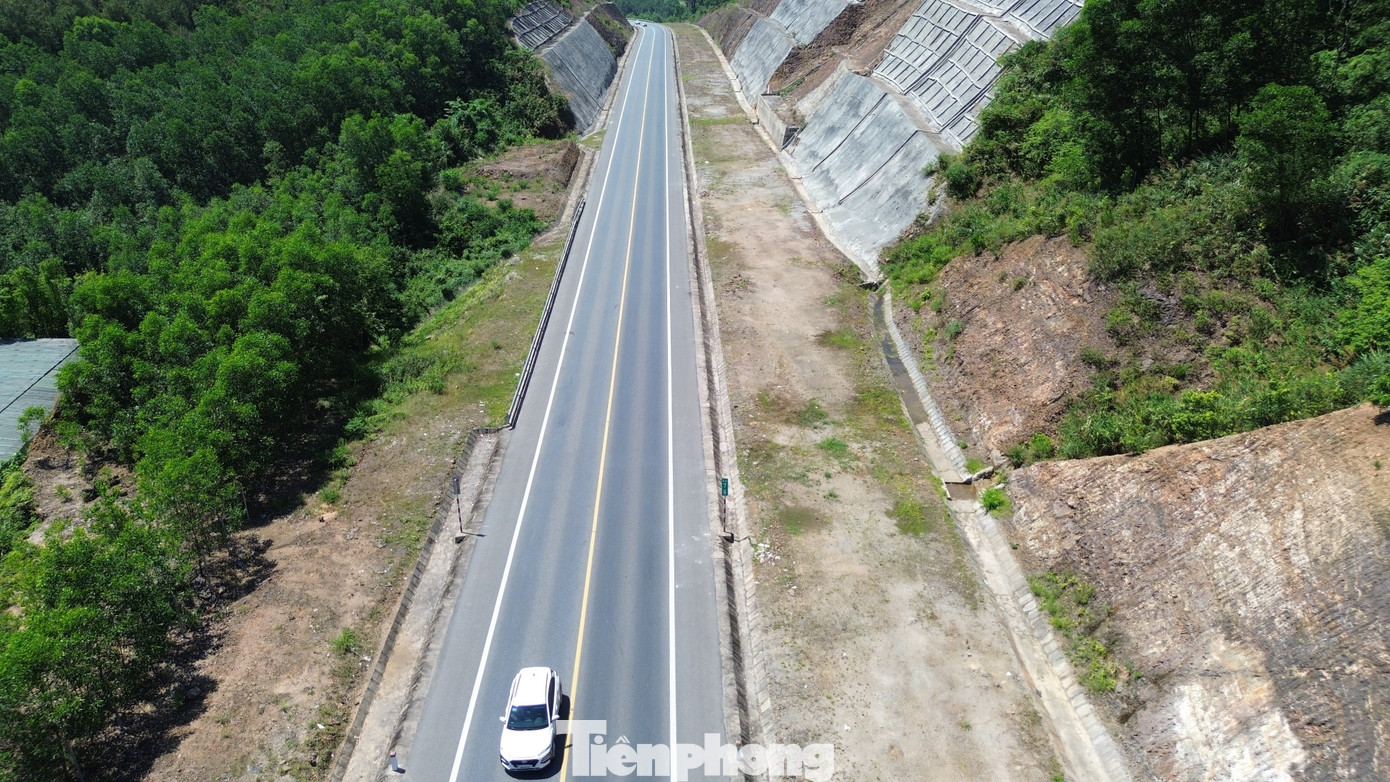
Initially slated for August, the groundbreaking was postponed due to adjustments. The bidding process is underway, with contractor selection expected by December 15, 2025, and groundbreaking in December.
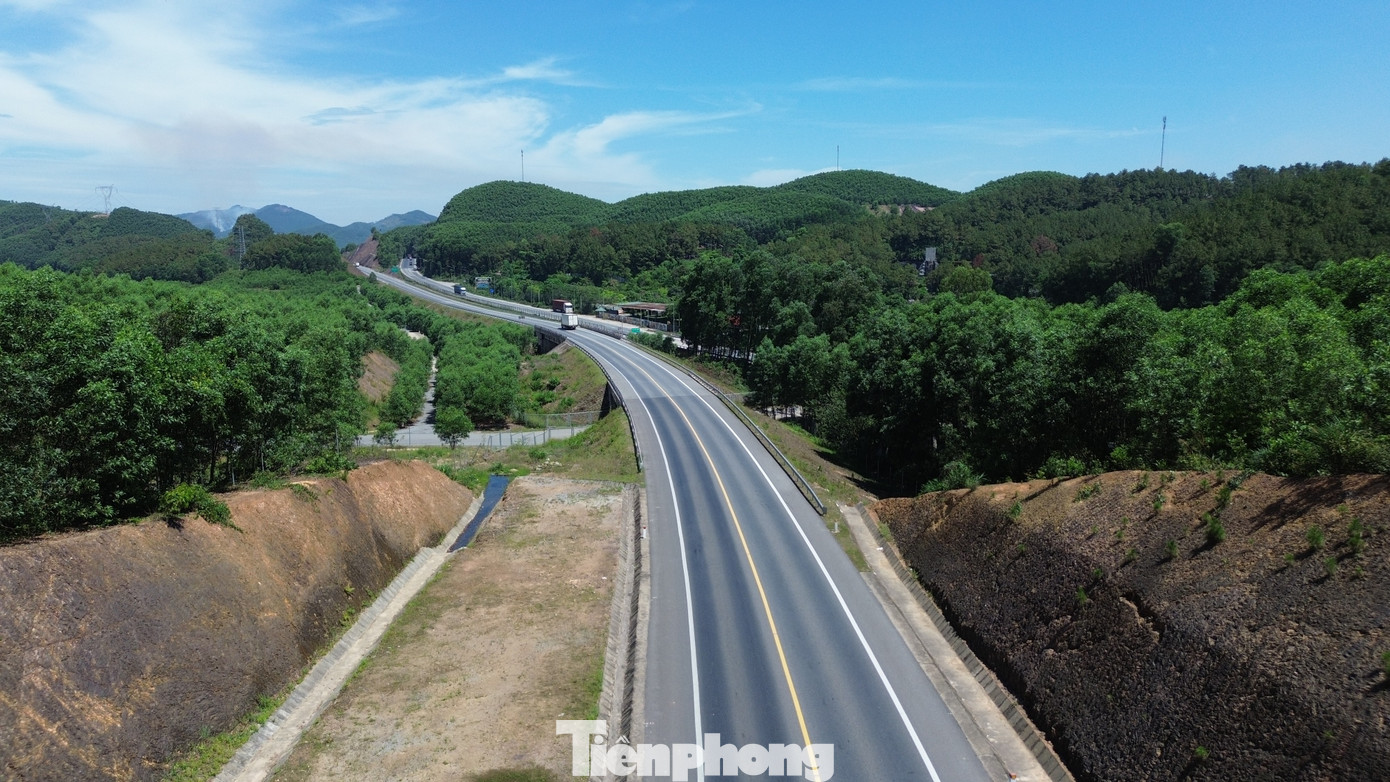
The project has received strong support from Quang Tri and Hue authorities, particularly in community consultations and land-use procedures.
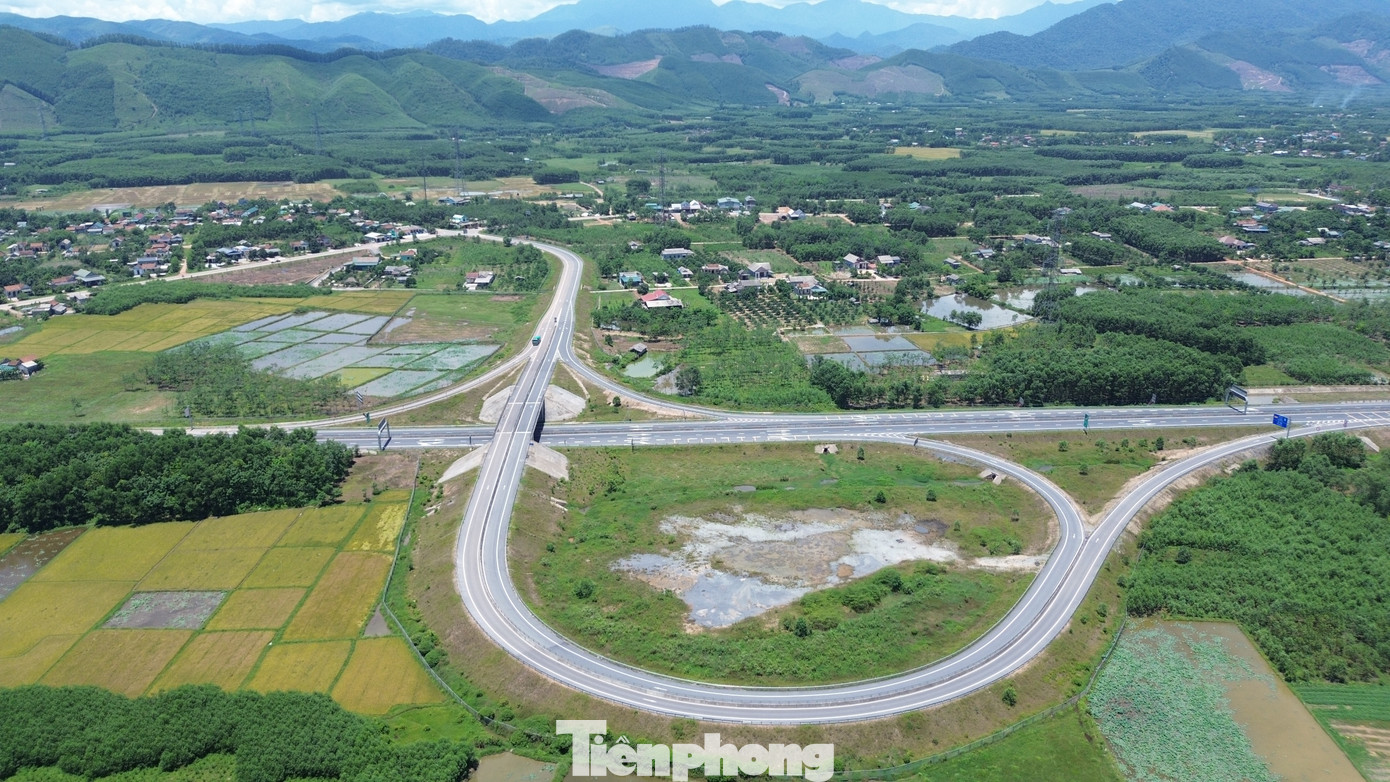
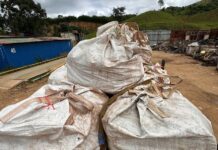
Land clearance is complete from Phase 1, but 55 additional hectares are needed for new interchanges and access roads. Clearance markers have been handed over to sub-project investors in Hue.
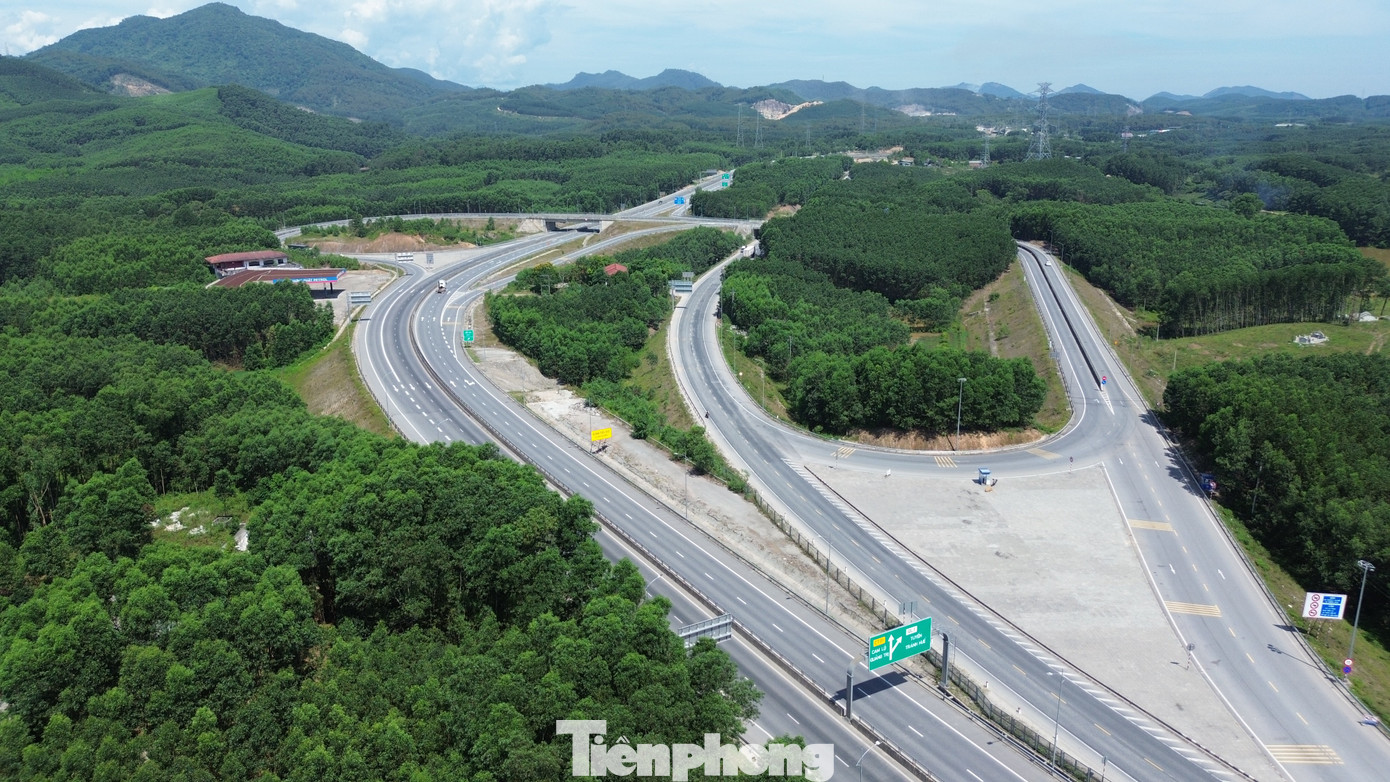
Hue’s regional boards have secured 2025 clearance funding and aim to complete land acquisition by Q1 2026.
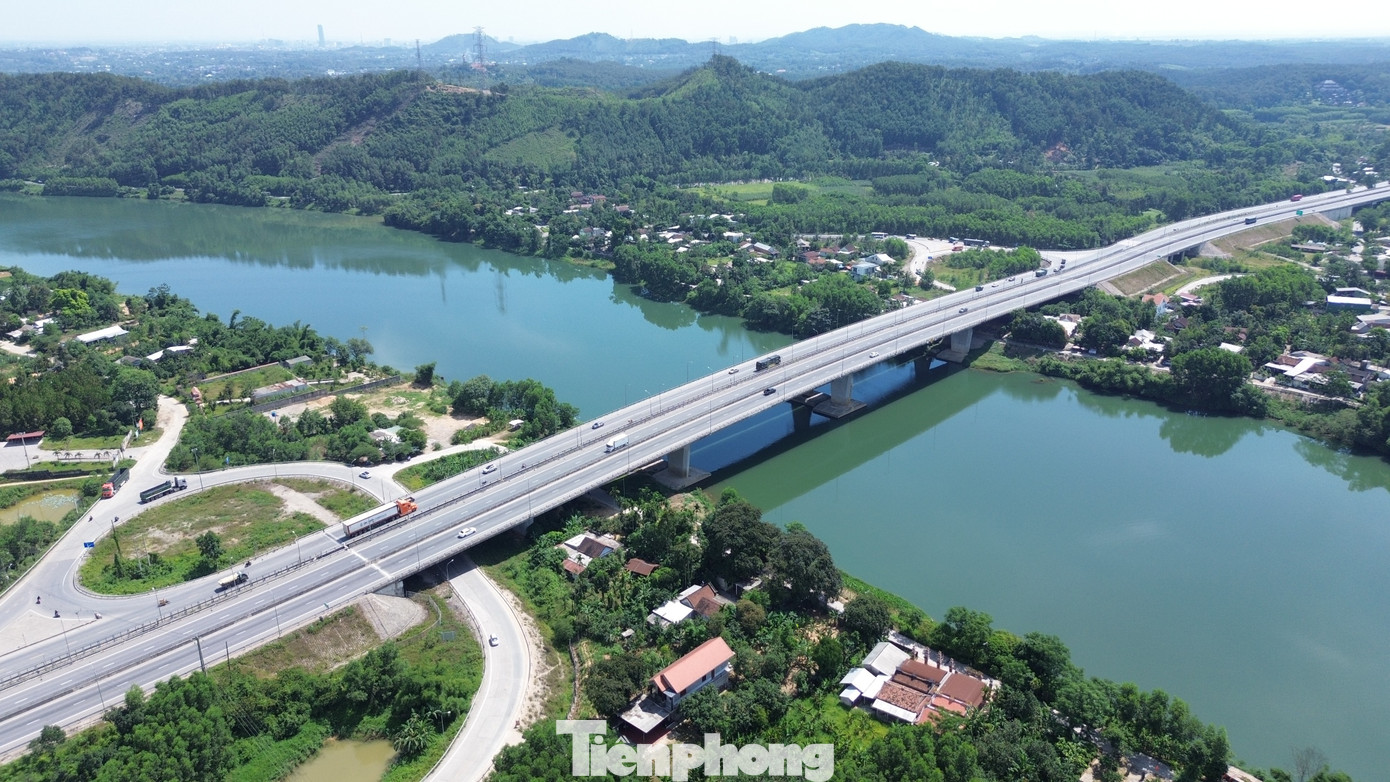
The project includes expanding 33/55 bridges and adding new units. Currently, 21 km meets 4-lane standards.
Local materials will be used for embankments, with Hue requiring 2.7 million m³ out of 3.6 million m³. Quang Tri will reuse excavated soil, minimizing additional needs.
Unveiling Vietnam’s First Professional Automotive Engine Manufacturing and Assembly Plant

On the morning of December 5th, in Chan May-Lang Co commune, Hue City, Kim Long Motor Hue Joint Stock Company held the inauguration ceremony of its manufacturing plant for Yuchai engines. The event also marked the rollout of the first Yuchai engine, signifying a historic milestone in the company’s strategy to master core technology within Vietnam’s engine manufacturing industry.
Hue: A Livable Urban Area with Exceptional Growth Commitments, Leading Economic Potential

Amidst the recent floods in Hue City, Phu Xuan City emerged as the sole urban area to remain completely dry. Not only has it withstood the test of natural disasters, but the project has also finalized all legal procedures. The combination of its prime four-frontage location, superior construction quality, and robust legal framework has established Phu Xuan City as the most sustainable and strategic landmark in the market.
Official Announcement: Completion of the Largest Billion-Dollar Coastal Overpass in Central Vietnam
The largest sea-crossing bridge in Central Vietnam has been successfully completed, marking a significant milestone in the region’s infrastructure development. This monumental structure promises to enhance connectivity, boost economic growth, and redefine transportation across the area.
Massive $56 Million Project in Quang Tri at Risk of Delay Due to 50+ Households’ Relocation Hurdles
The Nhật Lệ 3 Bridge project, along with its connecting roads, boasts a total investment of 1.3 trillion VND in Quảng Trị. However, the project is currently facing delays due to land clearance issues involving over 50 households.
Land Acquisition Hurdles Threaten Early Completion of Quảng Trị’s Billion-Dollar Bridge Project
Despite being designated a key project and urged by Quảng Trị Province to accelerate completion by 10 months ahead of schedule, the Nhật Lệ 3 Bridge project continues to grapple with land clearance bottlenecks. These delays threaten its targeted completion by 2025, casting uncertainty over the project’s timeline.