

















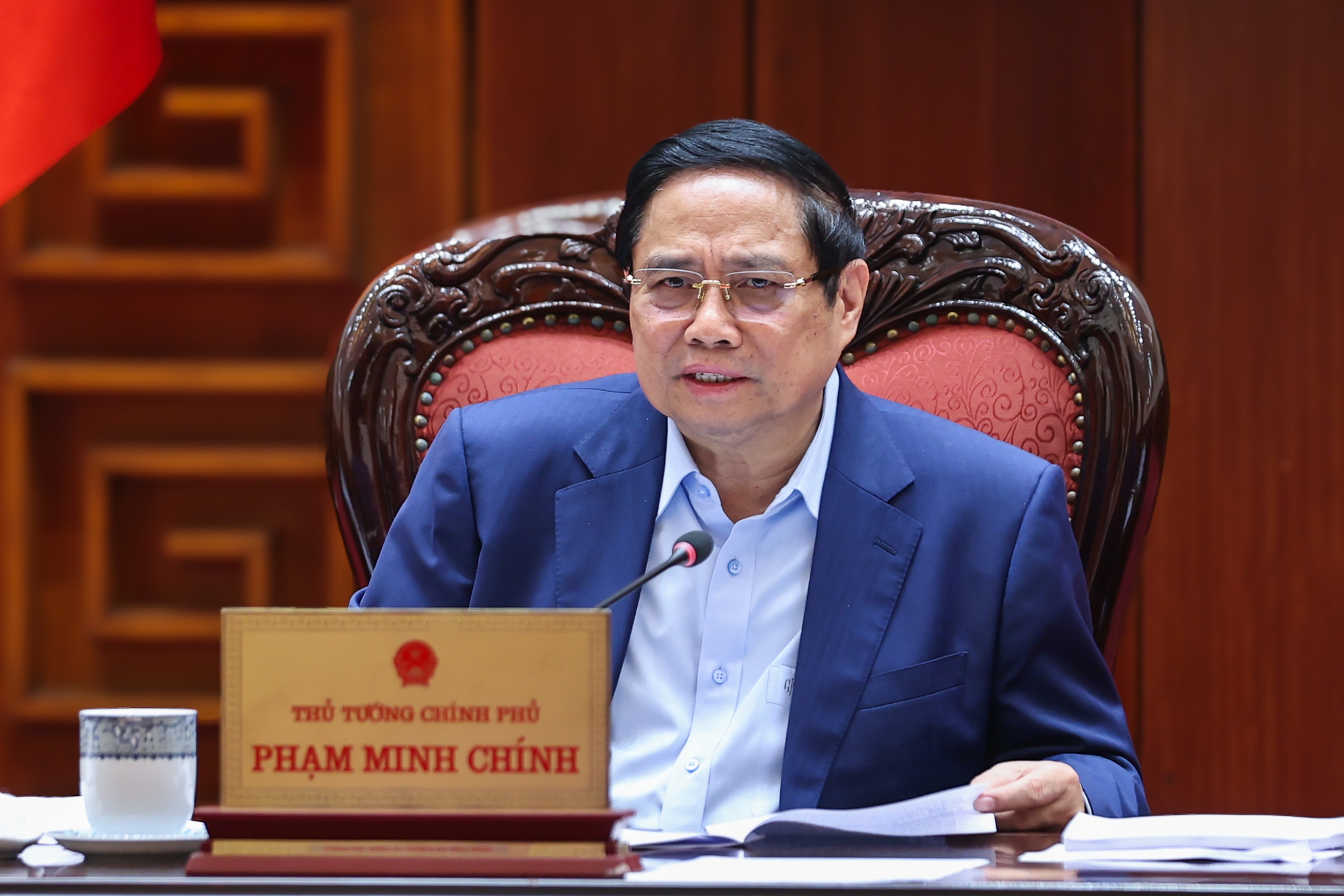
Prime Minister Pham Minh Chinh chaired a government meeting on December 5th to discuss the establishment of free trade zones, as reported by the Government’s Electronic Newspaper.
According to the meeting’s reports and discussions, there are currently over 7,000 special economic zones and free trade zones operating globally. These zones play a crucial role in the economic development strategies of emerging and developing nations.
Modern free trade zones have evolved into multifunctional hubs, integrating industrial, urban, service, financial, high-tech, and innovation sectors to maximize developmental resources.
In Vietnam, the general legal framework lacks specific regulations on the mechanisms, policies, management, and operations of free trade zones. The National Assembly has issued resolutions piloting special mechanisms and policies for Da Nang and Hai Phong, including provisions for free trade zones.
Developing a comprehensive plan for free trade zones is urgent and essential. It will provide a political foundation and eventually establish a legal framework, positioning these zones as new drivers of economic growth. They will serve as pilot areas for innovative mechanisms, policies, and economic institutions, aligning Vietnam’s business environment with international standards.
The Ministry of Finance plans to establish free trade zones in Da Nang, Hai Phong, and Ho Chi Minh City by 2026. By 2030, Vietnam aims to have 6-8 such zones, with additional models in favorable localities. By 2045, the goal is to have 8-10 internationally competitive free trade zones, contributing 15-20% to the national GDP.
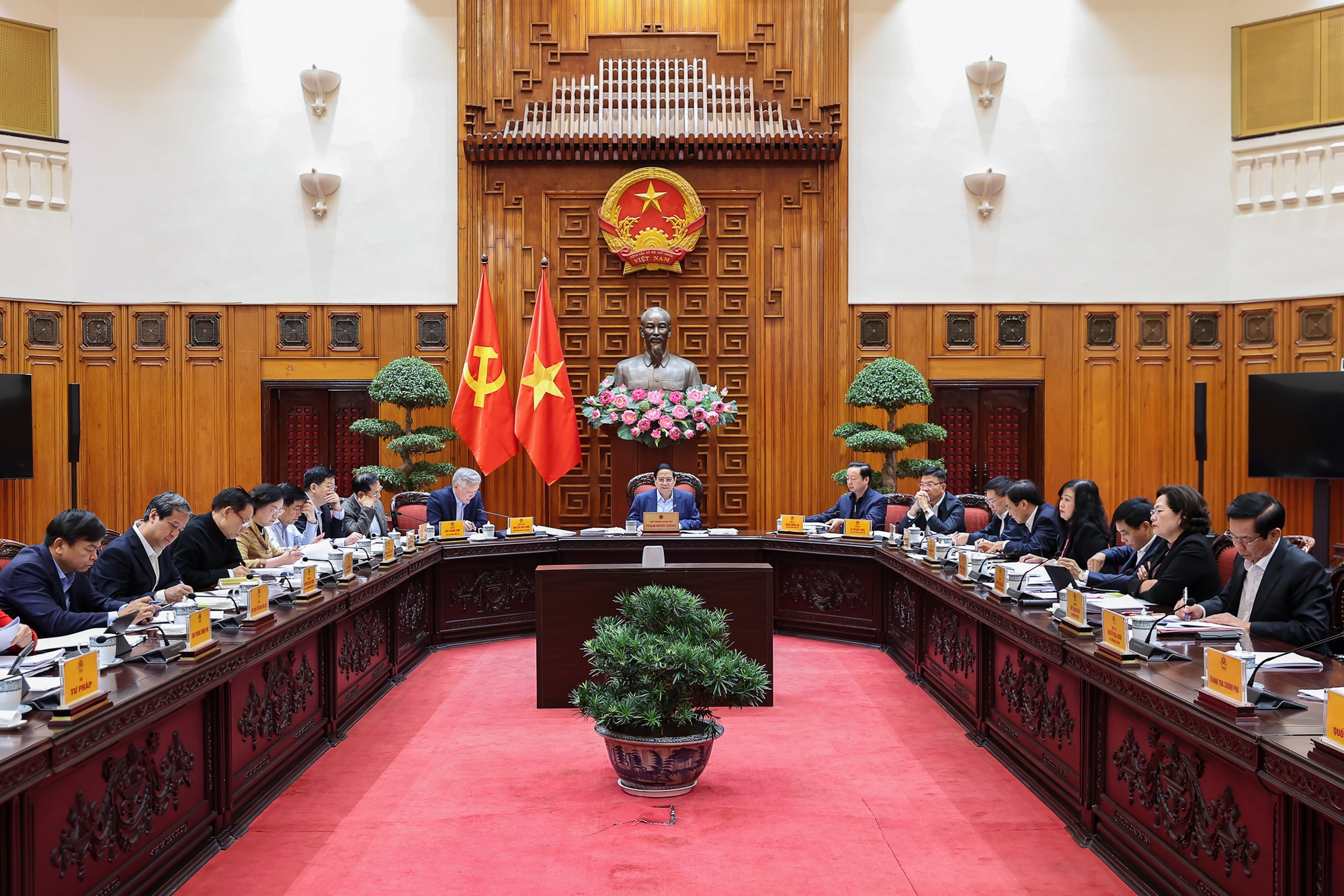
The Prime Minister emphasized clarifying the concept of free trade zones and their distinctions from international trade centers.
In his concluding remarks, Prime Minister Pham Minh Chinh praised the Ministry of Finance’s efforts in preparing the proposal. He urged the incorporation of meeting feedback to refine the plan for approval, emphasizing speed and quality.
The Prime Minister highlighted the novelty of this initiative, stressing the need for feasibility and effectiveness. The goal is to pilot policies that support both immediate and long-term socio-economic development, particularly the 100-year strategic objectives.
He called for a clear definition of free trade zones, distinguishing them from international trade centers. While there are similarities, their mechanisms and policies differ, requiring flexible and creative application of existing regulations.
Pilot locations must be strategically chosen, balancing regional representation. Authorities should draw on international experience and adapt mechanisms to Vietnam’s context, ensuring competitiveness without disrupting the overall investment climate.
To implement the pilot program, the Prime Minister outlined key steps: policy development, planning, infrastructure enhancement, resource mobilization, high-tech application, smart management, and workforce training.
Prime Minister’s Critical Directive on Salaries and Allowances for Officials and Civil Servants
The Ministry of Home Affairs is tasked with urgently submitting to the competent authorities the necessary documents to implement Conclusion 206 of the Politburo regarding salaries, allowances, and the reorganization of the apparatus and local government structures at two levels, to be presented no later than December 15, 2025.
Unlocking a New Growth Cycle: The Revised Investment Law

The global economy is undergoing profound transformations: supply chains are shifting, FDI flows are being reallocated, and a wave of new technologies is reshaping the competitive landscape of nations. For Vietnam, this presents both a significant challenge and a rare opportunity to surge ahead.
Phú Quốc Unveils a Stunning New Look
With APEC 2027 just two years away, Phu Quoc is undergoing a dramatic transformation. Major infrastructure projects, including an expanded airport, a world-class convention center, a grand boulevard, and a new rail line, are reshaping the island’s identity. These developments are crafting a new Phu Quoc—modern, better connected, and poised to become the focal point of the Asia-Pacific region.
By the End of 2025, Vietnam’s Expressway Network Will Span 3,188 Kilometers
By the end of 2025, Vietnam is set to open a total of 3,188 kilometers of highways, including main routes, frontage roads, and local access roads. Notably, when accounting for interchanges and intersections, the country will have completed a minimum of 3,513 kilometers of highways, alongside 1,701 kilometers of coastal roads.
Tech Projects Over $260 Million May Qualify for Extended Tax Exemptions and Reductions

Businesses investing in concentrated digital technology zones are entitled to exclusive benefits, including corporate income tax reductions and streamlined customs procedures.